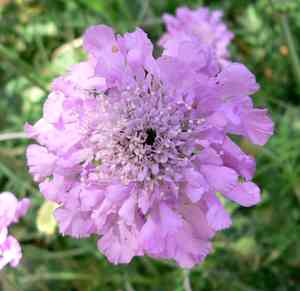
Pincushions (Scabiosa) (Scabiosa)
Also known as: Pincushion Flower, Scabious
Pincushions are vibrant flowering plants known for their distinctive, spiky blooms that resemble a traditional pincushion. Available in both annual and perennial forms, their unique appearance is eye-catching. The scientific name, Leucospermum, does not imply any skin irritation. In the language of flowers, pincushions symbolize strength, resilience, and originality.
In This Article
Attributes of Pincushions (Scabiosa)
Lifespan
Biennial, Perennial
Plant Height
30 cm to 90 cm (1 to 3 feet)
Spread
20 cm to 50 cm (8 to 20 inches)
Leaf Color
Green
Flower Size
5 cm to 10 cm (2 to 4 inches)
Flower Color
Blue, pink, white, purple
Images of Pincushions (Scabiosa)
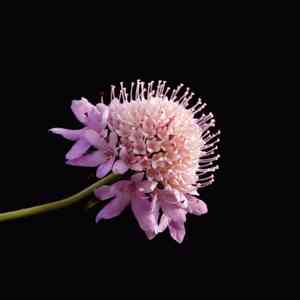
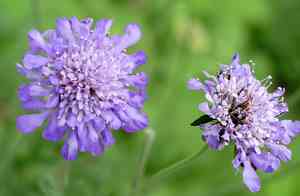
Quickly Identify Pincushions (Scabiosa)
1
Scabiosa can be identified by their distinctive, dome-shaped flower heads, which resemble pincushions. They usually have lobed or toothed leaves and long, slender stems. The plants often bloom from late spring to early autumn.
Scientific Classification of Pincushions (Scabiosa)
Phylum
Magnoliophyta
Class
Magnoliopsida
Order
Dipsacales
Family
Caprifoliaceae
Genus
Scabiosa
Planting and Growing of Pincushions (Scabiosa)
Care Difficulty
Moderate
Watering Schedule
Every 4 days
Sunlight Requirements
Full sun
Sunshine Duration
4-6 hours
Ideal Temperature
60-70℉
Soil Type
Potting Mix, Peat Mix
Soil pH
6.5-7.5
Fertilizer Type
Balanced
Pruning Season
Spring, Summer
Pruning Area
Branches, Leaves
Pruning Frequency
2 times a year
Repotting Season
Spring
Pot Type
Plastic, Terracotta
 How to Water Pincushions (Scabiosa)?
Scabiosa prefers to be watered thoroughly, allowing the soil to dry out slightly between watering. This means providing about 500 milliliters of water per session, ensuring the water penetrates deeply into the root zone.
What are the symptoms of an underwatered Pincushions (Scabiosa)?
›
What should I do if my Pincushions (Scabiosa) is not getting enough water?
›
What are the symptoms of an overwatered Pincushions (Scabiosa)?
›
How to save an overwatered Pincushions (Scabiosa)?
›
 What Are the Sunlight Requirements for Pincushions (Scabiosa)?
Scabiosa flourishes in full sun to partial sun, meaning 6 to 8 hours of direct light each day. This light ensures energetic blooming and structurally sound growth.
What is the best light condition for Scabiosa?
›
How to ensure Scabiosa gets optimal light?
›
Benefits of ideal lighting for Scabiosa?
›
 What Is the Ideal Temperature Range for Pincushions (Scabiosa)?
The ideal temperature range for growing Scabiosa is between 60°F and 70°F. This range ensures that the plant can thrive without experiencing the stress of extreme heat or cold, which could affect its growth and flowering potential. Maintaining these temperatures consistently will allow the Scabiosa to utilize nutrients efficiently and avoid issues related to temperature fluctuations.
 What Soil is Best for Pincushions (Scabiosa)?
Scabiosa thrives in well-drained soil, preventing root rot by avoiding waterlogged conditions. This type of soil ensures healthy root development and optimal plant growth. Soil with moderate fertility works best for Scabiosa, as it provides the necessary nutrients without promoting excessive foliage growth that can detract from flowering. Scabiosa prefers slightly alkaline soil, with a pH closer to 7, to enhance nutrient availability and encourage vibrant blooms. Lime can be used to raise the pH if necessary.
 How to Fertilize Pincushions (Scabiosa)?
For Scabiosa, ensuring the right amount of nutrient intake is paramount. Generally, a balanced liquid fertilizer mixed at half-strength suffices. This limits the risk of over-fertilizing yet provides essential nutrients. Use approximately 1 tablespoon per gallon of water. Monitor the plant's response and adjust if necessary, as nutrient needs can change with growth stages and external conditions.
 How to Prune Pincushions (Scabiosa)?
Start by identifying and removing any dead or dying flowers to encourage new growth. This process, known as deadheading, helps Scabiosa focus its energy on producing fresh blooms. Trim the outer stems to shape the plant and control its size. Aim to maintain a bushy, rounded shape, which not only looks appealing but also supports healthy growth. As autumn winds down, cut back the Scabiosa to about one-third of its height. This more severe pruning de-stresses the plant over winter and prepares it for vigorous growth in spring.
 How to Propagate Pincushions (Scabiosa) plant?
1
Fill seed trays with a high-quality seed-starting mix and sow Scabiosa seeds on the surface, lightly pressing them into the mix. Cover lightly with fine soil and mist with water. Keep the trays at a consistent temperature for best results.
2
Carefully lift the established Scabiosa plant from the ground, shake off excess soil, and use a sharp knife to divide the root ball into sections. Ensure each section has roots and stems to grow independently, then replant in well-prepared soil.
3
Once seedlings have developed a few sets of leaves, they should be transplanted into individual pots or a prepared garden bed. Gently handle the seedlings to avoid root damage, and water immediately after planting to help them settle in.
 How to Repot Pincushions (Scabiosa) plant?
1
Scabiosa should be repotted when its roots start circling inside the pot, indicating they have outgrown their current pot. Another signal is when water runs straight through the pot, showing that the soil is compacted. The best time to repot is either in spring or autumn when the plant is in its growth phase.
2
Choose a pot that is 1-2 inches larger in diameter than the current one, with drainage holes. This ensures that the plant has sufficient space to grow while preventing waterlogging. A larger pot reduces the frequency of repotting and supports root expansion, promoting healthier plant growth.
3
Opt for a well-draining potting mix, which can be a combination of sand, perlite, and peat moss. This soil type prevents root rot by ensuring excess water escapes easily, while also retaining enough moisture and nutrients for Scabiosa's optimal growth. It mimics the plant's natural habitat, fostering a robust root system.
Learn More About Pincushions (Scabiosa) Diseases
Anthracnose
Bacterial Leaf Spot
Bacterial Soft Rot
Bacterial Wilt
Black Spot
Chemical Injury
Crown Gall
Cyst Nematode
Damping-off
Downy Mildew
Drought Stress
Fusarium Wilt
Gray Mold
Leaf Curl
Leaf Spot
Mosaic
Nutrient Deficiency
Nutrient Toxicity
Powdery Mildew
Root Rot
Root-knot Nematode
Rusts
Sooty Mold
Spider Mites
Temperature Stress
Thrips Damage
White Mold

