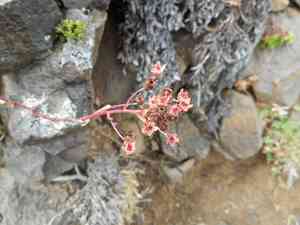
White mountain saxifrage (Saxifraga paniculata)
Also known as: Encrusted saxifrage, Lime-encrusted saxifrage
The White Mountain Saxifrage (*Saxifraga paniculata*) is a distinctive and somewhat rare arctic-alpine species that flourishes in extremely cold and harsh regions. During the summer, it produces small clusters of white flowers. This resilient plant often grows on north-facing cliffs, finding shelter among the rocks.
In This Article
Attributes of White mountain saxifrage
Lifespan
Perennial
Plant Type
Herb
Plant Height
15 cm to 30 cm
Spread
20 cm
Leaf Color
Green Gray Silver
Flower Size
1.3 cm
Flower Color
White Pink
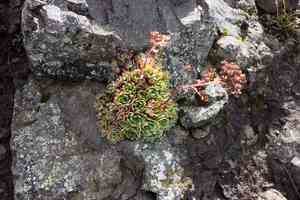
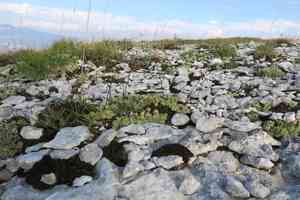
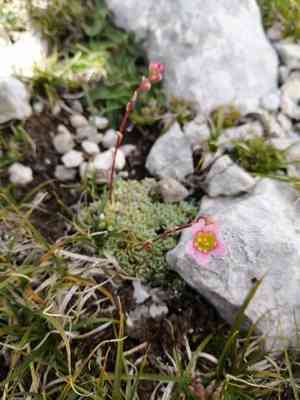
Images of White mountain saxifrage
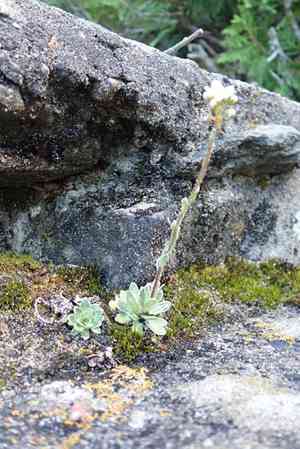
Quickly Identify White mountain saxifrage
1
Look for a plant with rosettes of spoon-shaped leaves that often have a silvery crust. The leaves are generally evergreen. The flowers are small, star-shaped, and white, often with yellow or reddish spots, blooming on tall, branching flower stalks.
Scientific Classification of White mountain saxifrage
Phylum
Vascular plants
Class
Dicotyledons
Order
Saxifragales
Family
Saxifrage
Genus
Saxifrages
Species
White mountain saxifrage
Planting and Growing of White mountain saxifrage
Care Difficulty
Easy
Watering Schedule
Every 3 days
Sunlight Requirements
Partial sun
Sunshine Duration
4-8 hours
Ideal Temperature
60-75℉
Soil Type
Potting Mix, Peat Mix
Soil pH
6.5-7.5
Fertilizer Type
Balanced
Pruning Season
Spring, Summer
Pruning Area
Branches, Leaves
Pruning Frequency
Once a year
Repotting Season
Spring
Pot Type
Plastic, Terracotta
 How to Water White mountain saxifrage?
When watering Saxifraga paniculata, aim to provide about 100 milliliters of water each time. The key is to maintain a moist but not waterlogged soil environment. Ensure that the water penetrates deeply enough to encourage roots to grow downward, while being careful not to leave standing water which can deteriorate root health.
What are the symptoms of an underwatered White mountain saxifrage?
›
What should I do if my White mountain saxifrage is not getting enough water?
›
What are the symptoms of an overwatered White mountain saxifrage?
›
How to save an overwatered White mountain saxifrage?
›
 What Are the Sunlight Requirements for White mountain saxifrage?
Saxifraga paniculata thrives best under partial sunlight conditions, entailing morning light followed by afternoon shade. This balance promotes healthy foliage, vibrant blooms, and robust growth.
More About Sunlight Requirements Techniques→
What is the best lighting condition for Saxifraga paniculata?
›
How can I achieve the ideal lighting for Saxifraga paniculata?
›
What are the benefits of providing ideal lighting for Saxifraga paniculata?
›
 What Is the Ideal Temperature Range for White mountain saxifrage?
The ideal temperature range for Saxifraga paniculata is between 60°F and 75°F. This range is optimal because it provides a stable environment that supports the plant's physiological processes, such as photosynthesis and nutrient uptake. Maintaining this temperature range can promote healthy growth and abundant flowering.
 What Soil is Best for White mountain saxifrage?
Saxifraga paniculata thrives in well-drained soils, which prevent waterlogging and root rot. This plant benefits from soil that allows excess moisture to escape easily, ensuring its roots remain healthy and aerated. While Saxifraga paniculata can adapt to poorer soils, providing a nutrient-rich foundation helps promote vibrant growth and flower production. Essential nutrients support the plant's resilience and overall vitality. Balancing moisture is key for Saxifraga paniculata, as overly dry or excessively wet conditions can stress the plant. A moderate moisture level supports steady growth and the development of robust foliage and blooms.
 How to Fertilize White mountain saxifrage?
For Saxifraga paniculata, it's important to strike a balance—use a diluted liquid fertilizer at half strength to avoid overfeeding. Generally, 1/4 teaspoon per gallon of water should work well.
 How to Prune White mountain saxifrage?
Prune Saxifraga paniculata primarily in spring and summer for optimal results. Avoid heavy pruning during flowering, as this may hinder blooming. When cutting, aim to make clean cuts at a slight angle just above a healthy bud or node. This encourages more vigorous growth and helps maintain a compact shape.
 How to Propagate White mountain saxifrage plant?
1
Start by soaking the seeds in warm water for 24 hours to break dormancy. Then, sow the seeds thinly on the surface of a well-draining soil mix. Cover them lightly with soil or vermiculite.
2
Select a healthy, non-flowering stem and cut a 5-10 cm section. Remove the lower leaves to reduce transpiration and dip the cut end in rooting hormone for enhanced root development.
3
Dig up the plant and carefully separate the rooted sections with at least a few healthy shoots and roots. Replant the divisions immediately in suitable soil conditions, ensuring adequate spacing.
 How to Repot White mountain saxifrage plant?
1
Saxifraga paniculata should be repotted when its roots start to overcrowd the pot or when the soil no longer drains as effectively. Observing slowed growth or wilting despite proper watering are also signs that repotting is necessary. Early spring or autumn are ideal repotting times as the plant is less stressed during these periods.
2
Choose a pot that is slightly larger than the current one, preferably ceramic or terracotta, to allow for proper air circulation and moisture regulation. These materials help ensure stability and prevent overwatering, which can lead to root rot, thereby providing a healthy environment for Saxifraga paniculata to thrive.
3
It's important to select a soil that is well-draining, preferably a gritty mix composed of sand, perlite, and peat. This composition ensures that excess water is quickly evacuated, preventing root rot and keeping the roots aerated, which is essential for the health of Saxifraga paniculata.



