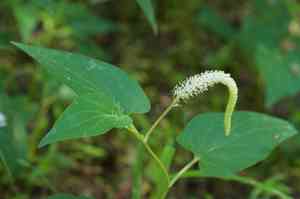
Lizard's tail (Saururus cernuus)
Also known as: Water-dragon, Dragon's tail, American swamp lily
Saururus cernuus, commonly known as lizard's tail, earns its name from the way its white flowers turn brown and droop as they mature, resembling a lizard's tail. This plant thrives in wet environments or shallow waters and serves as a vital food source for various species, including beavers.
In This Article
Attributes of Lizard's tail
Lifespan
Perennial
Plant Type
Herb
Plant Height
30 cm to 60 cm
Spread
30 cm to 60 cm
Leaf Color
Green
Flower Size
2.5 cm
Flower Color
White
Images of Lizard's tail
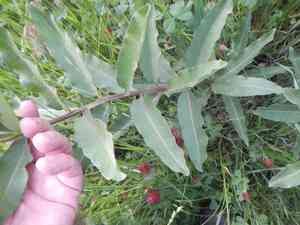
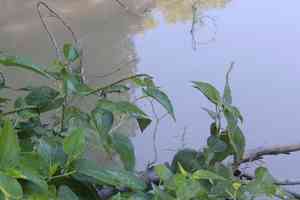
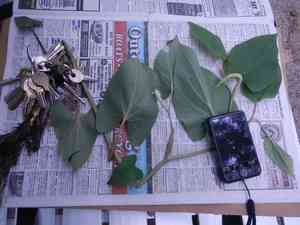
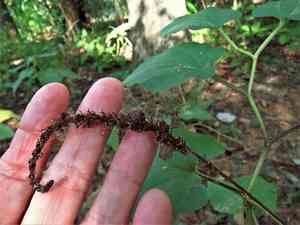
Quickly Identify Lizard's tail
1
Curving inflorescence resembling a reptile's tail
2
Vivid green leaves with heart-shaped bases and palmate veins
3
Erect stem with zig-zag pattern, growing 2-3 feet (60-90 cm) tall
4
Long, narrow racemes of white, fragrant flowers, 4-6 inches (10-15 cm) long
5
Small, warty green fruit emerging in summer, persisting into late fall
Scientific Classification of Lizard's tail
Phylum
Vascular plants
Class
Dicotyledons
Order
Piperales
Family
Lizard's tail
Genus
Lizard's tails
Species
Lizard's tail
Planting and Growing of Lizard's tail
Care Difficulty
Easy
Watering Schedule
Every 12 days
Sunlight Requirements
Partial sun
Sunshine Duration
4-8 hours
Ideal Temperature
60-75℉
Soil Type
Potting Mix, Peat Mix
Soil pH
5.5-7
Fertilizer Type
Balanced
Pruning Season
Spring, Summer
Pruning Area
Branches, Leaves
Pruning Frequency
2 times a year
Repotting Season
Spring
Pot Type
Plastic, Ceramic
 How to Water Lizard's tail?
Saururus cernuus thrives in wet or even flooded environments, reminiscent of marshy banks. When watering this plant, aim to keep the soil consistently moist but not waterlogged. Pour water slowly and evenly until you see a little excess draining from the bottom of the pot.
What are the symptoms of an underwatered Lizard's tail?
›
What should I do if my Lizard's tail is not getting enough water?
›
What are the symptoms of an overwatered Lizard's tail?
›
How to save an overwatered Lizard's tail?
›
 What Are the Sunlight Requirements for Lizard's tail?
Partial sun provides the best conditions for Saururus cernuus, offering a balanced level of light necessary for optimal growth and photosynthesis without risking the adverse effects of overexposure.
More About Sunlight Requirements Techniques→
What type of sunlight does Saururus cernuus prefer?
›
How can you ensure Saururus cernuus gets ideal lighting?
›
What happens if Saururus cernuus receives ideal light conditions?
›
 What Is the Ideal Temperature Range for Lizard's tail?
The ideal temperature range for Saururus cernuus is between 60°F and 75°F. This range ensures optimal growth by providing a stable and moderate environment that mimics the conditions found in its natural habitat. Within this range, the plant can efficiently perform photosynthesis, leading to healthy development.
 What Soil is Best for Lizard's tail?
Saururus cernuus thrives in soil that retains moisture, as it is typically found in wetlands. This moisture-rich environment ensures the roots are consistently hydrated, supporting lush foliage and robust growth. A nutrient-rich soil is vital for Saururus cernuus. It provides the essential nutrients for optimal growth, helping the plant to develop strong stems and vibrant leaves. Despite its love for moisture, proper drainage is necessary to prevent root rot. A well-draining soil will balance moisture retention while averting water stagnation.
 How to Fertilize Lizard's tail?
Saururus cernuus, commonly known as lizard's tail, prefers a balanced nutrient supply. Use a water-soluble fertilizer with a 10-10-10 NPK ratio, applied at half the recommended strength during its growing season. This helps maintain vibrant foliage and supports healthy growth without over-fertilizing.
 How to Prune Lizard's tail?
Start by inspecting the plant for any dead or damaged stems and leaves. Remove these first to allow the plant to focus energy on healthy growth. This step helps improve the overall appearance and vigor of the plant. Trim back any excessively long or wayward branches to create a more aesthetically pleasing shape. This helps in promoting even growth and ensures the plant maintains a neat and tidy appearance. To encourage denser foliage, trim new growth at the tips during the growing season. This will encourage lateral shooting and create a bushier, fuller look for your Saururus cernuus.
More About Pruning Techniques→
 How to Propagate Lizard's tail plant?
1
Prepare a well-draining soil mixture by mixing garden soil, sand, and compost to provide nutrients and aeration for seeds or divisions. Ensure the soil is loose to promote root growth.
2
Sow Saururus cernuus seeds on the soil surface, lightly pressing them into the soil. Do not cover them with too much soil as they need light to germinate. Maintain consistent moisture.
3
Divide the root clumps of existing plants and plant them directly into the prepared soil. Ensure each division has a healthy root system. Water well after planting.
 How to Repot Lizard's tail plant?
1
Saururus cernuus shows signs that it needs repotting when its roots start emerging through the drainage holes of its current container. Additionally, if the plant's growth has visibly slowed despite optimal care, it's also a signal that the existing pot size may be restricting its roots. This plant thrives when its roots have ample space to spread and grow.
2
Select a pot that is 2-3 inches larger in diameter than the current one. Opt for pots with ample drainage holes because poorly drained soil can lead to root rot. A clay pot is ideal as it allows for better air exchange to the roots, minimizing water retention issues.
3
The ideal soil mix for Saururus cernuus should be a rich blend that retains moisture yet drains well to prevent waterlogging. Incorporating organic matter like peat or compost ensures the soil remains nutrient-rich, promoting vigorous growth and healthy foliage.
Learn More About Lizard's tail Diseases
Anthracnose
Bacterial Leaf Spot
Bacterial Soft Rot
Bacterial Wilt
Crown Gall
Cyst Nematode
Damping-off
Downy Mildew
Drought Stress
Fusarium Wilt
Gray Mold
Leaf Spot
Mosaic
Nutrient Deficiency
Nutrient Toxicity
Powdery Mildew
Root Rot
Root-knot Nematode
Sooty Mold
Spider Mites
Temperature Stress
Thrips Damage
White Mold



