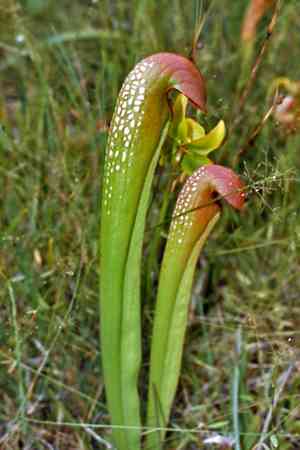
Hooded pitcher plant (Sarracenia minor)
Also known as: Pitcher-plant rainbow trumpet, Spotted pitcherplant
The Hooded Pitcher Plant is a striking and intriguing choice for any garden. Its distinctive, tubular leaves, designed to lure and trap insects, make it a standout among insectivorous plants. This not only adds a unique visual appeal but also provides an effective natural pest control solution. Originating from wetland habitats, it flourishes in moist conditions. The plant's eye-catching, colorful flowers further enhance its appeal, adding a touch of wild allure to your garden. Embrace the captivating world of carnivorous plants with the Hooded Pitcher Plant and experience nature's remarkable adaptations firsthand.
In This Article
Attributes of Hooded pitcher plant
Lifespan
Perennial
Plant Type
Herb
Plant Height
80 cm
Spread
20 cm
Leaf Color
Green with red or purple veining
Flower Size
2.5 cm to 8 cm
Flower Color
Red to yellow
Images of Hooded pitcher plant
Quickly Identify Hooded pitcher plant
1
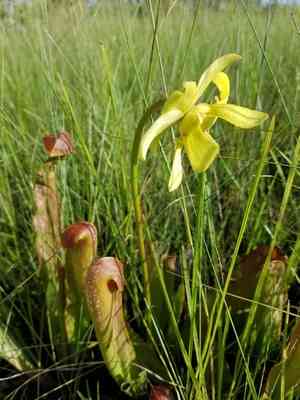
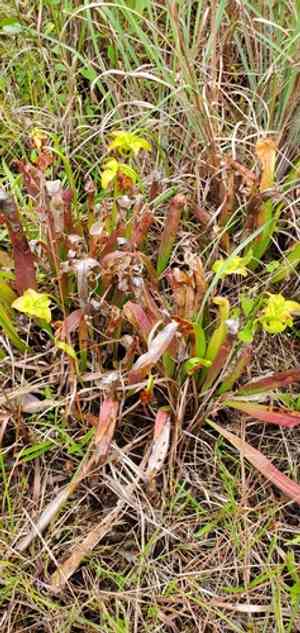
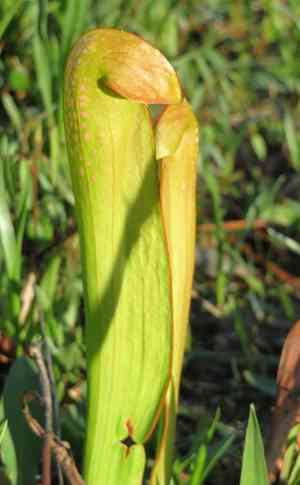
Rosette arrangement of stemless, clump-forming leaves with trap-like hollow cones (1-2 feet / 30-60 cm tall).
2
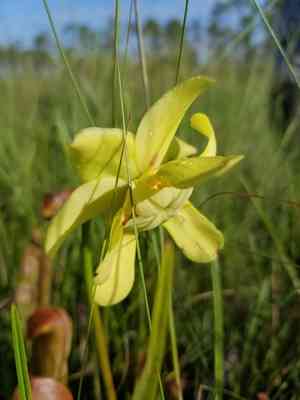
Upside-down umbrella-like yellow flowers on tall stalks; nodding and light yellow, 2 1/2 inches (6.35 cm) tall.
3
Distinctive pitcher-shaped leaves up to 20 inches (50 cm) tall with purple veining and white 'windows'.
4
Fruit is a dehiscent capsule, 0.5-1 inch (1.27-2.54 cm) long, ripening from green to brownish, dry texture.
5
Maturing brown seed pods release seeds; propagation through underground rhizomes.
Scientific Classification of Hooded pitcher plant
Phylum
Vascular plants
Class
Dicotyledons
Order
Ericales
Family
Pitcher-plant
Genus
Trumpet pitchers
Species
Hooded pitcher plant
Planting and Growing of Hooded pitcher plant
Care Difficulty
Moderate
Watering Schedule
Every 8 days
Sunlight Requirements
Full sun
Sunshine Duration
6-12 hours
Ideal Temperature
70-85℉
Soil Type
Potting Mix, Peat Mix
Soil pH
5-6.5
Fertilizer Type
Balanced
Pruning Season
Spring, Summer
Pruning Area
Branches, Leaves
Pruning Frequency
2 times a year
Repotting Season
Spring
Pot Type
Terracotta, Plastic
 How to Water Hooded pitcher plant?
Sarracenia minor requires consistent moisture, akin to its native boggy environments. Watering should saturate the soil but never leave it soggy. Pour approximately 250 milliliters of water until you see it draining from the bottom to ensure even distribution.
What are the symptoms of an underwatered Hooded pitcher plant?
›
What should I do if my Hooded pitcher plant is not getting enough water?
›
What are the symptoms of an overwatered Hooded pitcher plant?
›
How to save an overwatered Hooded pitcher plant?
›
 What Are the Sunlight Requirements for Hooded pitcher plant?
Sarracenia minor does best with full sun exposure for at least 4 to 6 hours daily. Ideal light allows optimal photosynthesis, robust growth, enhanced trapping capabilities, and appealing coloration.
What is the ideal light condition for Sarracenia minor?
›
How to achieve ideal lighting for Sarracenia minor?
›
What are the benefits of ideal lighting for Sarracenia minor?
›
 What Is the Ideal Temperature Range for Hooded pitcher plant?
Sarracenia minor thrives best in temperatures between 70°F and 85°F. This range mimics its natural habitat, providing the warmth needed for proper metabolic function and growth. Temperatures in this range also promote the ideal conditions for flowering and pitcher development.
 What Soil is Best for Hooded pitcher plant?
For Sarracenia minor, ensuring the soil retains adequate moisture is crucial. The pitcher plant thrives in consistently damp substrates, similar to its natural boggy habitats. Utilizing peat soil helps in maintaining the required moisture levels that benefit the plant’s growth and nutrient absorption. Sarracenia minor is adapted to nutrient-poor conditions, commonly found in acidic, peaty soils. This environment helps the plant rely on its insect-capturing mechanisms for nutrients, which aids its digestion process and supports its metabolic needs efficiently. Well-aerated soil prevents root rot in Sarracenia minor. Sandy soil components facilitate good aeration and drainage, which are critical for maintaining healthy roots and preventing fungal issues caused by waterlogged conditions.
 How to Fertilize Hooded pitcher plant?
When fertilizing Sarracenia minor, use a diluted liquid fertilizer solution at 1/4 the recommended strength. This ensures the plant receives adequate nutrients without overwhelming its sensitive pitcher system.
 How to Prune Hooded pitcher plant?
Begin by inspecting your Sarracenia minor for any discolored or dried traps. Dead traps are often brown or black and exhibit a brittle texture, indicating they are no longer functional for the plant. Gently remove dead or dying traps by snipping at the base, close to the rhizome. Ensure you cut cleanly and avoid tearing the plant tissue, which can lead to further damage or infection. After pruning, provide your Sarracenia minor with ample sunlight and maintain its preferred humidity levels. Ensure the potting medium is moist but well-drained to support recovery and new growth.
More About Pruning Techniques→
 How to Propagate Hooded pitcher plant plant?
1
Soak Sarracenia minor seeds in distilled water for 24 hours to soften the seed coat. This process, known as scarification, helps in breaking seed dormancy and promotes germination.
2
Sprinkle the seeds evenly over the surface of the potting mix in the seed tray. Do not cover the seeds with soil, as Sarracenia seeds need light to germinate. Instead, lightly press them into the mix.
3
When dividing Sarracenia minor, carefully separate the rhizomes ensuring each division has at least one healthy growing point. Plant the divisions in individual pots with moist potting mix.
 How to Repot Hooded pitcher plant plant?
1
Sarracenia minor shows signs for repotting when you notice the rhizomes crowding the pot. Also, if you observe stagnation in growth or waterlogging issues, it's a clear indicator that the plant needs a refresh in its substrate.
2
For Sarracenia minor, selecting a pot with excellent drainage is crucial. A ceramic or plastic pot with multiple drainage holes prevents root rot and overwatering. Opt for a pot that's 1-2 inches larger in diameter than the current one to accommodate growth.
3
Sarracenia minor thrives in an acidic, well-draining mix. Using 50% sphagnum peat moss and 50% perlite or sand ensures the right balance of moisture retention and drainage. Avoid regular potting soil as it can retain too much moisture and harm the plant.



