Ashoka tree(Saraca asoca)

Ashoka tree (Saraca asoca)

Also known as: Ashoka tree, Sorrowless tree

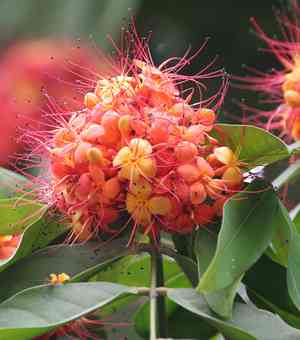
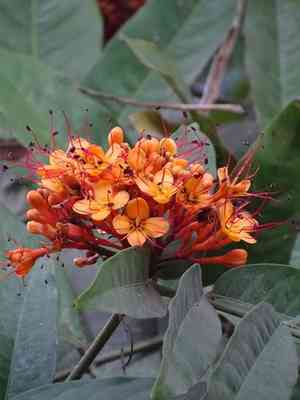
The Ashoka tree (Saraca asoca) is a rainforest species originally found in the central Deccan plateau and the mid-section of the Western Ghats along India's western coast. This evergreen tree is admired for its attractive deep green foliage and fragrant, vibrant flowers. Blooming from winter to spring, its flowers start as bright orange-yellow and turn red before they fade. Despite its beauty, the Ashoka tree is vulnerable in the wild and is becoming increasingly rare in its natural environment. However, isolated specimens can still be found in the foothills of the central and eastern Himalayas, across the northern plains of India, and along the west coast near Mumbai. There are several varieties of the Ashoka tree, including larger spreading types and common columnar forms used in cultivation.

Attributes of Ashoka tree

Lifespan
Perennial
Plant Type
Tree
Plant Height
9 m
Spread
9 m
Leaf Color
Green
Flower Size
4-5 cm
Flower Color
Yellow Red Orange

ForwardPlant - Identify plants with a snap

Identify and diagnose plants, get toxicity alerts, and explore safety guides for all types of fungi.

Try for Free

Images of Ashoka tree

Ashoka tree(Saraca asoca)

Quickly Identify Ashoka tree

1
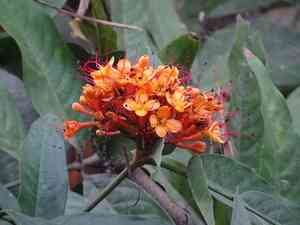
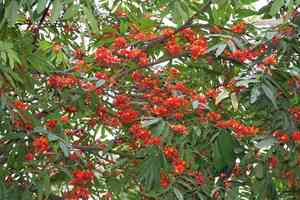
The Ashoka tree can be identified by its dense, lush foliage that consists of long, pinnate leaves. The new leaves emerge in a coppery-red color before maturing to a glossy dark green. Its flowers, which bloom in bunches, are highly distinctive with their bright orange-red to yellow coloration. The tree also features a smooth, gray bark.

Scientific Classification of Ashoka tree

Phylum
Vascular plants
Class
Dicotyledons
Order
Legumes, milkworts and allies
Family
Legume
Genus
saraca
Species
Ashoka tree

Planting and Growing of Ashoka tree

Care Difficulty
Moderate
Watering Schedule
Every 3 days
Sunlight Requirements
Partial sun
Sunshine Duration
6-10 hours
Ideal Temperature
68-77℉
Soil Type
Potting Mix, Peat Mix
Soil pH
6.5-7.5
Fertilizer Type
Balanced
Pruning Season
Spring, Summer
Pruning Area
Branches, Leaves
Pruning Frequency
2 times a year
Repotting Season
Spring
Pot Type
Plastic, Ceramic

water icon How to Water Ashoka tree?

For Saraca asoca, the watering amount should be enough to moisten the soil without waterlogging it. Aim for around 500ml per session. Water until the topsoil is moist but not too wet, allowing the roots to absorb enough moisture without suffocating them.
What are the symptoms of an underwatered Ashoka tree?
What should I do if my Ashoka tree is not getting enough water?
What are the symptoms of an overwatered Ashoka tree?
How to save an overwatered Ashoka tree?

sunlight icon What Are the Sunlight Requirements for Ashoka tree?

Sunlight Requirements: Partial sun, Full shade
Duration of light: 4-6 hours sunlight
Ideal lighting involves partial sun to full shade, replicating Saraca asoca's natural habitat. These conditions support robust leaf growth and vibrant blooms, fostering resilience and long-term vitality.
How much sunlight does Saraca asoca need?
What factors determine ideal lighting for Saraca asoca?
What benefits does optimal light have on Saraca asoca?

temperature icon What Is the Ideal Temperature Range for Ashoka tree?

Ideal Temperature: 68 ~ 77℉
The ideal temperature range for Saraca asoca is between 68°F and 77°F. This range allows the plant to thrive, promoting optimal growth and health. Maintaining temperatures within this range ensures that the plant can efficiently photosynthesize and metabolize nutrients, leading to lush foliage and vibrant blooms.

soil icon What Soil is Best for Ashoka tree?

Soil type: Loam, Sandy loam
Soil PH: 6.5 ~ 7.5
Saraca asoca thrives in well-drained loamy soils. Excellent drainage prevents waterlogging, which can lead to root rot, a common issue in tropical plants when moisture accumulates excessively around the roots. The plant prefers soils enriched with organic matter like compost or leaf mold. Organic-rich soil enhances nutrient availability and promotes growth by improving soil structure and water-holding capacity. A slightly acidic to neutral pH range (6.5-7.5) is optimal. Maintaining the pH in this range ensures nutrient availability and prevents micronutrient toxicity, keeping the plant healthy and vibrant.

fertilize icon How to Fertilize Ashoka tree?

Fertilizer type: Balanced
For Saraca asoca, it is essential to provide a balanced supply of nutrients without overwhelming the plant. Use a diluted liquid fertilizer with a concentration of 1:2 (one part fertilizer to two parts water) for monthly applications. For slow-release fertilizers, apply 100-150 grams per tree during the growth season to prevent nutrient deficiencies and promote healthy blooming and foliage.

prune icon How to Prune Ashoka tree?

Pruning Time: Spring, Summer
Start by identifying any branches or leaves that are diseased or dying. These should be removed first to prevent the spread of the disease to the healthier parts of the plant. Shape the Saraca asoca by cutting back overgrown branches, ensuring the canopy is open to allow sunlight and air through. This thins out the plant and gives it a balanced and attractive form. When making cuts on branches, aim for a 45-degree angle to encourage quick healing and water runoff, reducing the risk of rot and disease at the cut sites. More About Pruning Techniques

propagate icon How to Propagate Ashoka tree plant?

Propagate Time: Early spring, Late spring, Early summer
1
Collect seeds from mature Saraca asoca pods and clean them thoroughly. Soak them in water overnight to promote germination before planting them in the seed tray.
2
Select healthy, non-flowering shoots from the parent plant. Cut a 4-6 inch piece using sterilized pruning shears, ensuring the cut is just below a node.
3
Choose a low-growing branch and slightly wound it. Bury the wounded section in the soil while it's still attached to the parent plant, securing it with a peg.
More About Propagating Techniques

repot icon How to Repot Ashoka tree plant?

Repotting frequency: Every 2-3 years
1
Repot Saraca asoca when you notice roots emerging from the drainage holes or when its growth significantly slows down. Ideally, repot it every 2-3 years. Performing this task during the active growing seasons, spring or summer, ensures minimal stress and supports swift recovery and growth.
2
Select a pot that is 1 to 2 inches larger in diameter than the current one, with ample drainage holes to prevent waterlogging. Choosing a slightly larger pot allows the roots to expand without excessive space, which prevents root rot and keeps the plant stable as it grows.
3
Choose a well-draining, sandy soil mix. This type of soil prevents waterlogging and allows for healthy root aeration, which is crucial for the growth and wellbeing of Saraca asoca. Organic matter in the soil is an added benefit as it enhances fertility.

ForwardPlant - Identify plants with a snap

Find the best spots for them to optimize their health, simply using your phone.

Try for Free