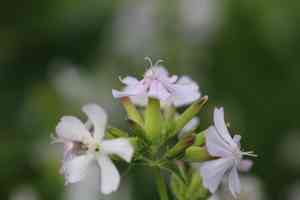
Bouncing-bet(Saponaria officinalis)

Bouncing-bet (Saponaria officinalis)

Also known as: Wild sweet william, Crow soap

Bouncing-bet (Saponaria officinalis), also known as soapwort, crow soap, or soapweed, is a perennial plant commonly found in North America. The name "Saponaria" is derived from the Latin word for soap, owing to the plant's ability to create a lather when its parts come into contact with water. While useful for cleaning, it is important to note that consuming large quantities of this plant can be toxic, potentially leading to nausea and digestive issues.

Attributes of Bouncing-bet

Lifespan
Perennial, Annual
Plant Type
Herb
Plant Height
30 cm to 70 cm
Spread
30 cm to 45 cm
Leaf Color
Green
Flower Size
1 cm to 1.5 cm
Flower Color
Pink White

PlantJoy - Identify plants with a snap

Identify and diagnose plants, get toxicity alerts, and explore safety guides for all types of fungi.

Try for Free

Images of Bouncing-bet

Bouncing-bet(Saponaria officinalis)

Quickly Identify Bouncing-bet

1
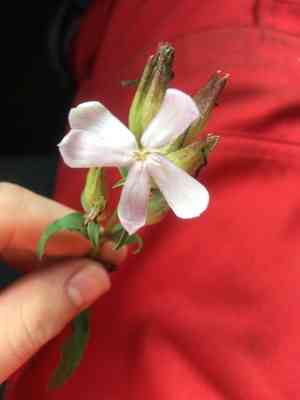
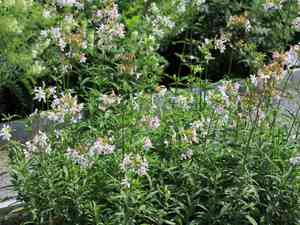
Clusters of pink, rose, or white blossoms with a gentle luminosity.
2
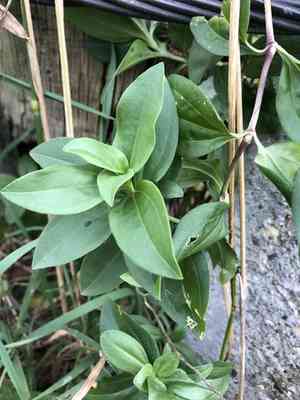
Lance-shaped leaves oppositely arranged on stems measuring 2-3 feet (60-90 cm).
3
Noticeable sappiness in stems and leaves reflecting inherent saponins.
4
Simple leaves with palmately veined pattern and 3-5 prominent ribs, 2-3 inches (5-8 cm) long.
5
Robust specimen with compact form and resilience to light footfalls.

Scientific Classification of Bouncing-bet

Phylum
Vascular plants
Class
Dicotyledons
Order
Pinks, cacti, and allies
Family
Pink
Genus
Soapworts
Species
Bouncing-bet

Planting and Growing of Bouncing-bet

Care Difficulty
Easy
Watering Schedule
Every 6 days
Sunlight Requirements
Full sun
Sunshine Duration
6-10 hours
Ideal Temperature
59-77℉
Soil Type
Potting Mix, Peat Mix
Soil pH
6.5-7.5
Fertilizer Type
Balanced
Pruning Season
Spring, Summer
Pruning Area
Branches, Leaves
Pruning Frequency
2 times a year
Repotting Season
Spring
Pot Type
Plastic, Ceramic

water icon How to Water Bouncing-bet?

For Saponaria officinalis, it's important to achieve a balance in moisture. Water until the soil is evenly moist but not soggy, approximately 300 ml each session should suffice, allowing excess water to drain away. This ensures the roots receive adequate hydration without being submerged.
What are the symptoms of an underwatered Bouncing-bet?
What should I do if my Bouncing-bet is not getting enough water?
What are the symptoms of an overwatered Bouncing-bet?
How to save an overwatered Bouncing-bet?
More About Watering Techniques

sunlight icon What Are the Sunlight Requirements for Bouncing-bet?

Sunlight Requirements: Full sun, Partial sun
Duration of light: 6-8 hours
Saponaria officinalis ideally requires full sun to partial shade conditions. Optimal sunlight enables better photosynthesis, fostering healthy growth and a more prolific flowering period.
Optimal Light Duration
Light Intensity Regulation
Balancing Light and Shade
More About Sunlight Requirements Techniques

temperature icon What Is the Ideal Temperature Range for Bouncing-bet?

Ideal Temperature: 59 ~ 77℉
The ideal temperature range for Saponaria officinalis is between 59°F and 77°F. This range provides a conducive environment for growth, where the plant can optimally photosynthesize and absorb nutrients. Stable temperatures within this range ensure that the plant's physiological processes remain uninterrupted and efficient.

soil icon What Soil is Best for Bouncing-bet?

Soil type: Sandy loam, Loam
Soil PH: 6.5 ~ 7.5
Saponaria officinalis thrives in well-drained soil conditions, which prevent root rot and ensure the plant receives adequate oxygen and nutrients for robust growth. This plant benefits from soils enriched with organic matter, supporting healthy development and flowering by providing essential nutrients. Positioning in locations that receive plenty of sunlight enables optimal photosynthesis, translating to vigorous growth and vibrant flowers. More About Soil

fertilize icon How to Fertilize Bouncing-bet?

Fertilizer type: Balanced
For Saponaria officinalis, it's crucial to avoid over-fertilizing. Use a balanced, all-purpose fertilizer, applying approximately half the recommended amount for the size of your plant. Over-fertilization can lead to lush foliage at the expense of blooms. More About Fertilizing Techniques

prune icon How to Prune Bouncing-bet?

Pruning Time: Spring, Summer, Autumn
Begin by identifying and removing any discolored, diseased, or dead stems. This promotes better air circulation and can prevent disease spread. After the flowering period, cut back old and spent flower stems to encourage a fresh flush of growth and potential re-blooming. More About Pruning Techniques

propagate icon How to Propagate Bouncing-bet plant?

Propagate Time: Spring,Early spring,Late spring,Summer
1
Start by filling seed trays with quality potting mix. Sprinkle seeds evenly over the surface and cover with a light layer of soil. Keep the soil consistently moist to promote germination.
2
Select healthy, disease-free stems and cut sections that are about 4-6 inches long. Remove lower leaves and dip the cut end in rooting hormone before planting in a pot of moist sand or perlite.
3
For division, carefully dig up the parent plant, ensuring to minimize root damage. Gently separate the root clumps, ensuring each section has roots and shoots, and replant them promptly.
More About Propagating Techniques

repot icon How to Repot Bouncing-bet plant?

Repotting frequency: Every 2-3 years
1
Saponaria officinalis needs repotting when the roots outgrow the container, typically signaled by roots emerging from drainage holes or stunted growth. These signs mean the plant requires more space to flourish.
2
Select a pot that is slightly larger than the current one, ideally one or two inches wider. The pot should have good drainage to prevent waterlogging, promoting healthier roots and better growth for Saponaria officinalis.
3
Opt for well-draining garden soil mixed with some organic matter like compost or peat moss. This ensures adequate moisture retention while preventing water accumulation, crucial in supporting the plant's health.

PlantJoy - Identify plants with a snap

Find the best spots for them to optimize their health, simply using your phone.

Try for Free

Toxicity of Bouncing-bet

Is Bouncing-bet toxic to humans?

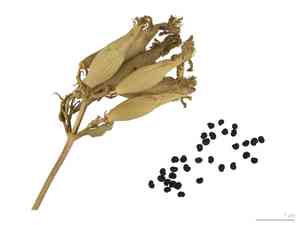
All parts of the bouncing-bet plant contain saponins, which can be mildly toxic to humans if ingested in large amounts. Notably, the seeds possess a higher concentration of these toxic compounds compared to the other parts of the plant. Therefore, it is advisable to avoid consuming any part of this plant. Excessive intake of bouncing-bet may result in symptoms such as vomiting and diarrhea.

Is Bouncing-bet toxic to cat?

Bouncing-bet is a plant that presents a toxic risk to felines. If consumed inadvertently, its roots, seeds, and sap may result in poisoning. Following ingestion, a cat may show a range of symptoms that indicate physical suffering. Cat parents must be attentive in keeping their feline friends away from bouncing-bet. Should accidental ingestion occur, swift veterinary intervention is essential. Timely treatment at an animal hospital can effectively mitigate the harmful effects and deliver the vital care needed to safeguard the health of the affected cat.

Is Bouncing-bet toxic to dog?

Bouncing-bet is identified as toxic to dogs. These animals may inadvertently consume various parts of the plant, including roots, seeds, or sap/juice, resulting in potential poisoning. When a dog ingests bouncing-bet, they could display symptoms such as gastrointestinal disturbances, vomiting, or diarrhea. It is imperative for dog owners to remain alert and restrict their pets from entering regions where bouncing-bet flourishes. Should ingestion be suspected, prompt veterinary attention is vital to safeguard the health and well-being of the affected dog.

Identify toxic plants for your safety

Learn which plants are harmful to you and your pets, and make informed choices for a safer home!

Try for Free
WARNING
The judgment on toxicity and danger is for reference only. We DO NOT GUARANTEE any accuracy of such judgment. Therefore, you SHALL NOT rely on such judgment. It is IMPORTANT TO SEEK PROFESSIONAL ADVICE in advance when necessary.
More About Toxic Techniques