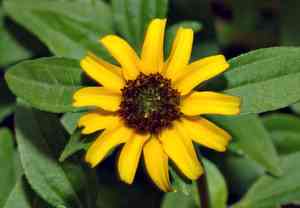
Mexican creeping zinnia (Sanvitalia procumbens)
Also known as: Trailing sanvitalia
Consider planting Mexican creeping zinnia (Sanvitalia procumbens) for an easy-to-grow annual that thrives in flowerbeds and as ground cover. This plant produces numerous small, sunflower-like flowers. While you can start seeds indoors, it's important to note that Mexican creeping zinnia doesn't transplant well, so direct sowing is recommended.
In This Article
Attributes of Mexican creeping zinnia
Lifespan
Annual, Biennial
Plant Type
Herb
Plant Height
8 cm to 15 cm
Spread
30 cm to 45 cm
Leaf Color
Green
Flower Size
2.5 cm
Flower Color
Yellow Brown
Images of Mexican creeping zinnia
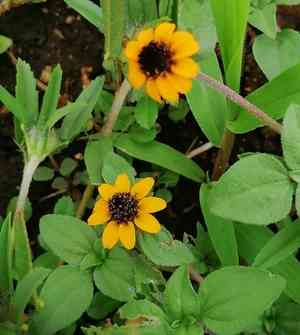
Quickly Identify Mexican creeping zinnia
1
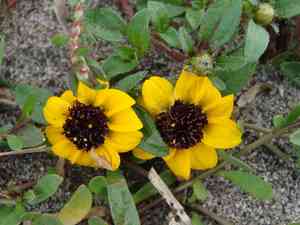
Prostrate growth up to 18 inches (45 cm) wide.
2
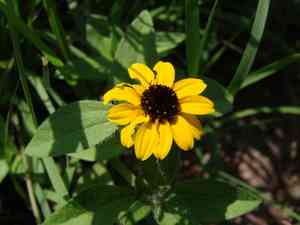
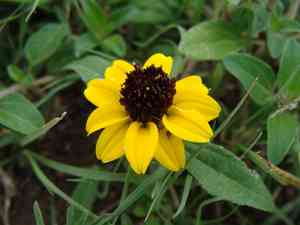
Vibrant yellow to orange-yellow daisy-like flowers.
3
Prominent central disc of purplish-brown in flowers.
4
Bloom phase from summer to first frost.
5
Flowers emit a mild fragrance.
Scientific Classification of Mexican creeping zinnia
Phylum
Vascular plants
Class
Dicotyledons
Order
Asters bellflowers fanflowers and allies
Family
Daisy
Genus
Creeping zinnias
Species
Mexican creeping zinnia
Planting and Growing of Mexican creeping zinnia
Care Difficulty
Easy
Watering Schedule
Every 4 days
Sunlight Requirements
Full sun
Sunshine Duration
6-10 hours
Ideal Temperature
65-75℉
Soil Type
Potting Mix, Peat Mix
Soil pH
6.5-7.5
Fertilizer Type
Balanced
Pruning Season
Spring, Summer
Pruning Area
Branches, Leaves
Pruning Frequency
2 times a year
Repotting Season
Spring
Pot Type
Plastic, Ceramic
 How to Water Mexican creeping zinnia?
Sanvitalia procumbens, also known as creeping zinnia, thrives on a moderate watering routine. Ensure the soil is moist but not waterlogged, with around 500 ml per watering session sufficient for a typical plant. This helps maintain the ideal moisture level necessary for healthy growth.
What are the symptoms of an underwatered Mexican creeping zinnia?
›
What should I do if my Mexican creeping zinnia is not getting enough water?
›
What are the symptoms of an overwatered Mexican creeping zinnia?
›
How to save an overwatered Mexican creeping zinnia?
›
 What Are the Sunlight Requirements for Mexican creeping zinnia?
Sanvitalia procumbens flourishes in full to partial sunlight, optimally within six to eight hours daily. This range ensures balanced growth and prolific flowering, maximizing energy assimilation for vibrant, consistent blooming.
More About Sunlight Requirements Techniques→
How often should Sanvitalia procumbens receive sunlight?
›
What is the ideal type of sunlight for Sanvitalia procumbens?
›
How can you ensure Sanvitalia procumbens gets the correct sunlight?
›
 What Is the Ideal Temperature Range for Mexican creeping zinnia?
The ideal temperature range for growing Sanvitalia procumbens is between 65°F and 75°F. This range facilitates optimal photosynthesis and nutrient uptake, enabling robust and healthy growth. Staying within these temperatures helps avoid damaging stress that can affect flower production and plant vigor.
 What Soil is Best for Mexican creeping zinnia?
Sanvitalia procumbens thrives in nutrient-rich soil, which supports its vibrant growth and colorful blooms. The nutrients help the plant develop strong foliage and abundant flowers, crucial for creating a lush display. This plant does best in well-drained soil, which prevents root rot and other moisture-related diseases. Proper drainage allows excess water to escape, keeping roots healthy and encouraging vigorous growth. While drainage is key, these plants prefer soil that retains some moisture. The right balance helps maintain hydration, promoting sustained flowering and reducing stress from drought conditions.
 How to Fertilize Mexican creeping zinnia?
Sanvitalia procumbens, commonly known as creeping zinnia, enjoys a balanced nutrient diet. For liquid fertilizers, use a half-strength solution to avoid root burn and ensure the best growth. Apply approximately 15 ml per plant. Slow-release fertilizers should be applied sparingly, with only 5 to 10 grams per application, as excessive amounts can harm the plant.
 How to Prune Mexican creeping zinnia?
Begin by using clean, sharp scissors or pruning shears. Identify any dead, damaged, or diseased stems and cut them back to the base to encourage healthier growth. Trim lightly across the plant to maintain a pleasing shape and encourage side branching. Focus on cutting just above a leaf node to stimulate new growth at the joints. Always make cuts at an angle to prevent water from settling on cut surfaces.
More About Pruning Techniques→
 How to Propagate Mexican creeping zinnia plant?
1
Start by obtaining high-quality seeds. It's important that seeds are fresh and not past their viability period. Soak them overnight in warm water to enhance germination rates and reduce germination time.
2
Use a well-draining potting mix containing equal parts of peat, vermiculite, and perlite. This mixture provides aeration and moisture retention necessary for seedling development. Fill your seed tray or pots with this soil, leaving space at the top for watering.
3
Select healthy stems from a mature Sanvitalia procumbens plant, and cut them using sterilized pruning shears. Cuttings should be about 4 to 6 inches long, and remove the lower leaves to promote rooting.
 How to Repot Mexican creeping zinnia plant?
1
Sanvitalia procumbens, known for its vibrant, small daisy-like flowers, shows signals like slow growth, visible roots through drainage holes, or poor soil drainage as cues for repotting. Ideally, plan your repotting during early spring; this allows the plant ample time to establish roots in fresh soil as the growing season progresses.
2
Select a pot slightly larger than the current one, no more than 2 inches wider. This size is optimal because it gives room for new root growth while preventing waterlogging. Pots should have drainage holes, ensuring that the roots do not sit in water, which could lead to rot and other diseases.
3
Opt for a well-draining potting mix rich in organic matter. This type of soil provides proper aeration and moisture balance, essential for the plant’s healthy root development. Avoid heavy or clayey soils that retain too much water and may cause root rot.
Learn More About Mexican creeping zinnia Diseases
Anthracnose
Bacterial Leaf Spot
Bacterial Soft Rot
Bacterial Wilt
Black Spot
Chemical Injury
Crown Gall
Damping-off
Downy Mildew
Drought Stress
Fusarium Wilt
Gray Mold
Leaf Curl
Leaf Spot
Mosaic
Nutrient Deficiency
Nutrient Toxicity
Powdery Mildew
Root Rot
Root-knot Nematode
Rusts
Sooty Mold
Spider Mites
Temperature Stress
Thrips Damage
White Mold



