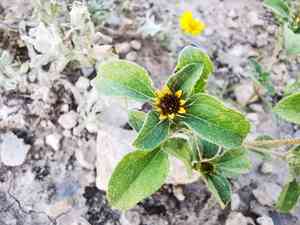
Yellow creeping zinnia (Sanvitalia ocymoides)
Also known as: Creeping Zinnia, Golden Stars
Sedum, or stonecrop, is a hardy perennial that excels in sunny, dry conditions. This low-growing, spreading plant features fleshy, green leaves and clusters of small, star-shaped flowers that can range in color. Its ability to form a dense mat makes it perfect for rock gardens and borders, providing a lush, ground-covering effect.
In This Article
Attributes of Yellow creeping zinnia
Lifespan
Annual
Plant Type
Herb
Plant Height
6-12 inches (15-30 cm)
Spread
12-18 inches (30-45 cm)
Leaf Color
Green
Flower Size
1 inch (2.5 cm)
Flower Color
Yellow with dark centers
Images of Yellow creeping zinnia
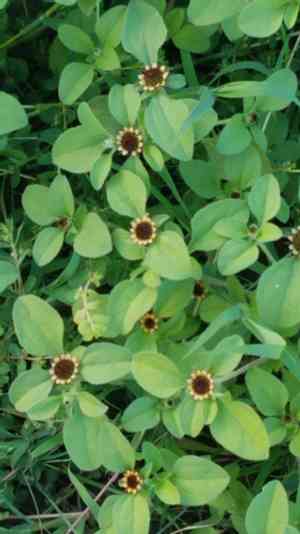
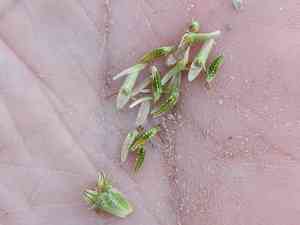
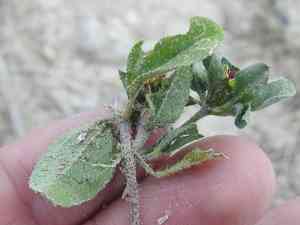
Quickly Identify Yellow creeping zinnia
1
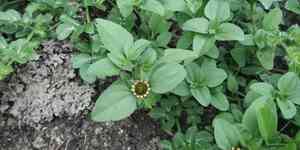
To identify Sanvitalia ocymoides, look for its sprawling growth habit and bright yellow flowers with dark brown or black centers. The leaves are small, oval, and green, and the plant creates a dense mat that spreads outward.
Scientific Classification of Yellow creeping zinnia
Phylum
Vascular plants
Class
Dicotyledons
Order
Asterales
Family
Daisy
Genus
Creeping zinnias
Species
Yellow creeping zinnia
Planting and Growing of Yellow creeping zinnia
Care Difficulty
Easy
Watering Schedule
Every 8 days
Sunlight Requirements
Full sun
Sunshine Duration
4-8 hours
Ideal Temperature
65-75℉
Soil Type
Potting Mix, Peat Mix
Soil pH
6.5-7.5
Fertilizer Type
Balanced
Pruning Season
Spring, Summer
Pruning Area
Branches, Leaves
Pruning Frequency
2 times a year
Repotting Season
Spring
Pot Type
Plastic, Ceramic
 How to Water Yellow creeping zinnia?
For Sanvitalia ocymoides, it's essential to maintain moderate soil moisture without overwatering. Aim to provide about 150 ml of water per session, ensuring the soil is damp but not waterlogged. Consistently moist soil helps facilitate healthy growth.
What are the symptoms of an underwatered Yellow creeping zinnia?
›
What should I do if my Yellow creeping zinnia is not getting enough water?
›
What are the symptoms of an overwatered Yellow creeping zinnia?
›
How to save an overwatered Yellow creeping zinnia?
›
 What Are the Sunlight Requirements for Yellow creeping zinnia?
Sanvitalia ocymoides ideally enjoys full to partial sun, benefiting from 4-6 hours of daily exposure. Proper sunlight enhances blooming and overall plant vigor, contributing to brighter blossoms.
How much light does Sanvitalia ocymoides need?
›
What type of light is ideal for its growth?
›
Where should I position this plant for best results?
›
 What Is the Ideal Temperature Range for Yellow creeping zinnia?
Sanvitalia ocymoides thrives best when grown in an environment with temperatures ranging between 65°F and 75°F. This range allows the plant to maintain its physiological processes efficiently, promoting healthy growth and vibrant blooming.
 What Soil is Best for Yellow creeping zinnia?
Sanvitalia ocymoides thrives in well-drained soil as it prevents root rot and other fungal diseases. Ensuring proper drainage is essential to maintain healthy roots and vigorous growth. This plant benefits from a nutrient-rich substrate that encourages lush foliage. Incorporating organic matter like compost enhances soil fertility, providing essential nutrients for optimal development. Sanvitalia ocymoides prefers soil with moderate moisture retention. It prevents drying out too quickly while ensuring the roots have access to water, crucial for sustained health and blooming.
 How to Fertilize Yellow creeping zinnia?
When fertilizing Sanvitalia ocymoides, aim for a balanced approach. Use approximately half the recommended dose indicated on the fertilizer package, as this plant thrives on moderate nutrient levels. Over-fertilizing can lead to excessive foliage growth with limited blooms.
 How to Prune Yellow creeping zinnia?
Start by snipping off any faded or spent flowers. This not only keeps the plant looking tidy but also redirects energy toward producing new blooms, enhancing its overall floral display. Check the plant for any leggy or elongated stems, especially those that have started to overshadow the plant's center. Trim these back to maintain a compact form and encourage bushy growth. To keep Sanvitalia ocymoides looking its best, shape the plant by trimming excess growth that strays from the desired contour. Regular shaping helps maintain its appealing, rounded form.
More About Pruning Techniques→
 How to Propagate Yellow creeping zinnia plant?
1
Sow the seeds of Sanvitalia ocymoides shallowly in a seed tray filled with a well-draining seed starting mix. Lightly cover them with soil, as they require sunlight to germinate. Water gently to avoid displacement.
2
Select healthy, non-flowering stems from the parent plant. Cut about six inches with sharp shears. Remove the lower leaves to reduce water loss and place the cuttings in a rooting hormone for better root development.
3
Plant the prepared cuttings in a pot filled with a mixture of peat and perlite. Ensure the environment is warm and humid, either by covering with a plastic bag or placing them in a propagator.
 How to Repot Yellow creeping zinnia plant?
1
Sanvitalia ocymoides should be repotted when you notice roots growing out of the drainage holes or when the growth significantly slows down despite proper care. Another good indicator is when the plant seems to need more frequent watering than usual, suggesting that it's becoming root-bound. Spring or early summer is ideal because the plant can quickly establish itself in its new pot during the growth period.
2
Select a pot only one size larger than the current one, with adequate drainage holes to prevent waterlogging. The pot should be made of a breathable material like terracotta to allow for air circulation to the roots. A slightly larger pot encourages healthy growth without overwhelming the plant, helping to maintain a compact and bushy habit.
3
Opt for a well-draining potting mix, preferably one that includes perlite or sand to enhance drainage. This prevents root rot by allowing excess water to escape easily. A slightly acidic to neutral pH is preferable, ensuring Sanvitalia ocymoides can efficiently take up the nutrients it needs for vibrant blooms and foliage.
Learn More About Yellow creeping zinnia Diseases
Anthracnose
Bacterial Leaf Spot
Bacterial Soft Rot
Bacterial Wilt
Black Spot
Chemical Injury
Damping-off
Downy Mildew
Drought Stress
Fusarium Wilt
Gray Mold
Leaf Curl
Leaf Spot
Mosaic
Nutrient Deficiency
Nutrient Toxicity
Powdery Mildew
Root Rot
Root-knot Nematode
Rusts
Sooty Mold
Spider Mites
Temperature Stress
Thrips Damage
White Mold


