Santalum (Santalum) (Santalum)
Also known as: Sandalwood
Species within the genus Santalum include both trees and shrubs. There are approximately 25 recognized species that are distributed across the Indomalaya, Australasia, and Oceania regions. These plants are notable for their fragrant wood and essential oils, which are extensively used in perfumery, cosmetics, and traditional medicine. They are hemi-parasitic, obtaining some nutrients by attaching to the roots of other plants.
In This Article
Attributes of Santalum (Santalum)
Lifespan
Perennial
Plant Height
Up to 10 meters (33 feet)
Spread
Depends on the species; typically wide-spreading
Leaf Color
Light green to dark green
Flower Size
Approximately 4 to 5 mm (0.16 to 0.2 inches)
Flower Color
Yellow, white, or pale pink
Images of Santalum (Santalum)
Quickly Identify Santalum (Santalum)
1
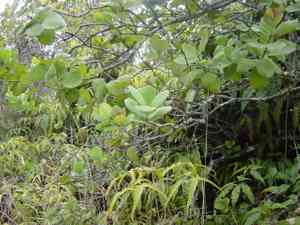
Santalum species can be identified by their fragrant wood, small, simple leaves, inconspicuous flowers, and often parasitic roots that may attach to the roots of neighboring plants.
Scientific Classification of Santalum (Santalum)
Phylum
Magnoliophyta
Class
Magnoliopsida
Order
Santalales
Family
Santalaceae
Genus
Santalum
Planting and Growing of Santalum (Santalum)
Care Difficulty
Hard
Watering Schedule
Every 2 days
Sunlight Requirements
Partial sun
Sunshine Duration
6-8 hours
Ideal Temperature
68-80℉
Soil Type
Potting Mix, Peat Mix
Soil pH
6.5-7.5
Fertilizer Type
Balanced
Pruning Season
Spring, Summer
Pruning Area
Branches, Leaves
Pruning Frequency
2 times a year
Repotting Season
Spring
Pot Type
Plastic, Ceramic
 How to Water Santalum (Santalum)?
For Santalum, the watering should aim to mimic its natural dry habitat while still providing enough moisture for growth. Water approximately 300 milliliters per session, ensuring the soil is damp but not soggy. The goal is to maintain a moderate level of soil moisture without allowing the plant to stand in water.
What are the symptoms of an underwatered Santalum (Santalum)?
›
What should I do if my Santalum (Santalum) is not getting enough water?
›
What are the symptoms of an overwatered Santalum (Santalum)?
›
How to save an overwatered Santalum (Santalum)?
›
 What Are the Sunlight Requirements for Santalum (Santalum)?
Partial to full sunlight is ideal, typically 6-8 hours daily. Achieving this light range enhances the plant's wood and oil quality, promoting vibrant foliage and resilient growth.
How much sunlight does Santalum require?
›
What are practical solutions for ensuring ideal light?
›
What benefits does optimal lighting provide for Santalum?
›
 What Is the Ideal Temperature Range for Santalum (Santalum)?
The ideal temperature range for Santalum species is between 68°F and 80°F. This range ensures optimal growth and plant health by providing a stable environment that doesn't stress the plant. By maintaining these temperatures, the plant can effectively carry out vital processes like photosynthesis and respiration, thus supporting robust growth.
 What Soil is Best for Santalum (Santalum)?
Sandalwood thrives in well-draining soil, which provides essential aeration and prevents root rot. Such conditions allow roots to access necessary oxygen, promoting healthy growth. This plant requires soil rich in organic matter and nutrients. Regular addition of compost or manure can enhance soil fertility, leading to robust growth and lush foliage. Sandalwood prefers soil that retains adequate moisture without becoming waterlogged. This balance ensures that the roots receive consistent hydration, crucial for steady development.
 How to Fertilize Santalum (Santalum)?
For Santalum, it's crucial to use a balanced fertilizer. Typically, use a 10-10-10 NPK for liquid fertilizer, applying about 1/4 to 1/2 teaspoon per gallon of water. For solid slow-release fertilizer, use about 1/2 cup per plant annually.
 How to Prune Santalum (Santalum)?
Begin by identifying and removing any dead, damaged, or diseased branches. This helps direct the plant's energy towards healthier growth and prevents issues from spreading. Inspect the canopy for crowded growth. Carefully prune away branches that cross each other to improve air circulation and sunlight penetration, which are essential for a healthy Santalum tree. Santalum trees benefit from shaping to promote a balanced structure. Maintain a natural form by selectively cutting back branches to lateral buds, and stepping back occasionally to assess the structure as a whole.
 How to Propagate Santalum (Santalum) plant?
1
Prepare a well-draining seed-starting mix and fill your propagation tray. Ensure the seeds are fresh and, if possible, scarify them to enhance germination rates by lightly sanding the seed coat.
2
For cutting propagation, take cuttings from semi-hardwood sections of a healthy mother plant. Cuttings should be around 10-15 cm in length and have at least two sets of leaves.
3
Select healthy rootstock and scion for grafting. Make clean incisions and align the vascular tissues properly before securing the union with grafting tape. Monitor for compatibility and growth.
 How to Repot Santalum (Santalum) plant?
1
Look for signs like roots growing out of the drainage holes, soil compacting, or reduced growth rate. These indicate it's time to repot your Santalum to ensure continued healthy growth.
2
Choose a pot slightly larger than the current one with drainage holes. The extra space allows roots to spread and prevents waterlogging, ensuring a healthier root environment.
3
Opt for well-draining sandy soil. This type of soil mimics the plant's natural habitat, prevents root rot, and allows for proper aeration and nutrient uptake.
Learn More About Santalum (Santalum) Diseases
Anthracnose
Bacterial Leaf Spot
Bacterial Soft Rot
Bacterial Wilt
Black Spot
Chemical Injury
Crown Gall
Cyst Nematode
Damping-off
Drought Stress
Fusarium Wilt
Gray Mold
Leaf Curl
Leaf Spot
Mosaic
Nutrient Deficiency
Nutrient Toxicity
Powdery Mildew
Root Rot
Root-knot Nematode
Rusts
Sooty Mold
Spider Mites
Temperature Stress
Thrips Damage
White Mold

