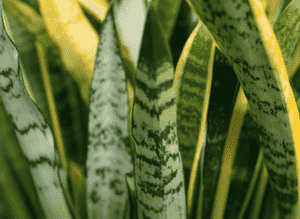
Snake plant (Sansevieria trifasciata)
Also known as: Viper's bowstring hemp
The snake plant, often called Sansevieria or mother-in-law's tongue, is appreciated for its striking, sword-shaped leaves that often feature bold green patterns with yellow or white edges. Its unique appearance makes it a popular choice for both houseplants and decorative displays.
However, it's important to note that the snake plant is toxic if ingested, potentially causing symptoms such as nausea, vomiting, and swelling of the mouth and throat. Therefore, it's crucial to keep it out of reach of pets and children.
Attributes of Snake plant
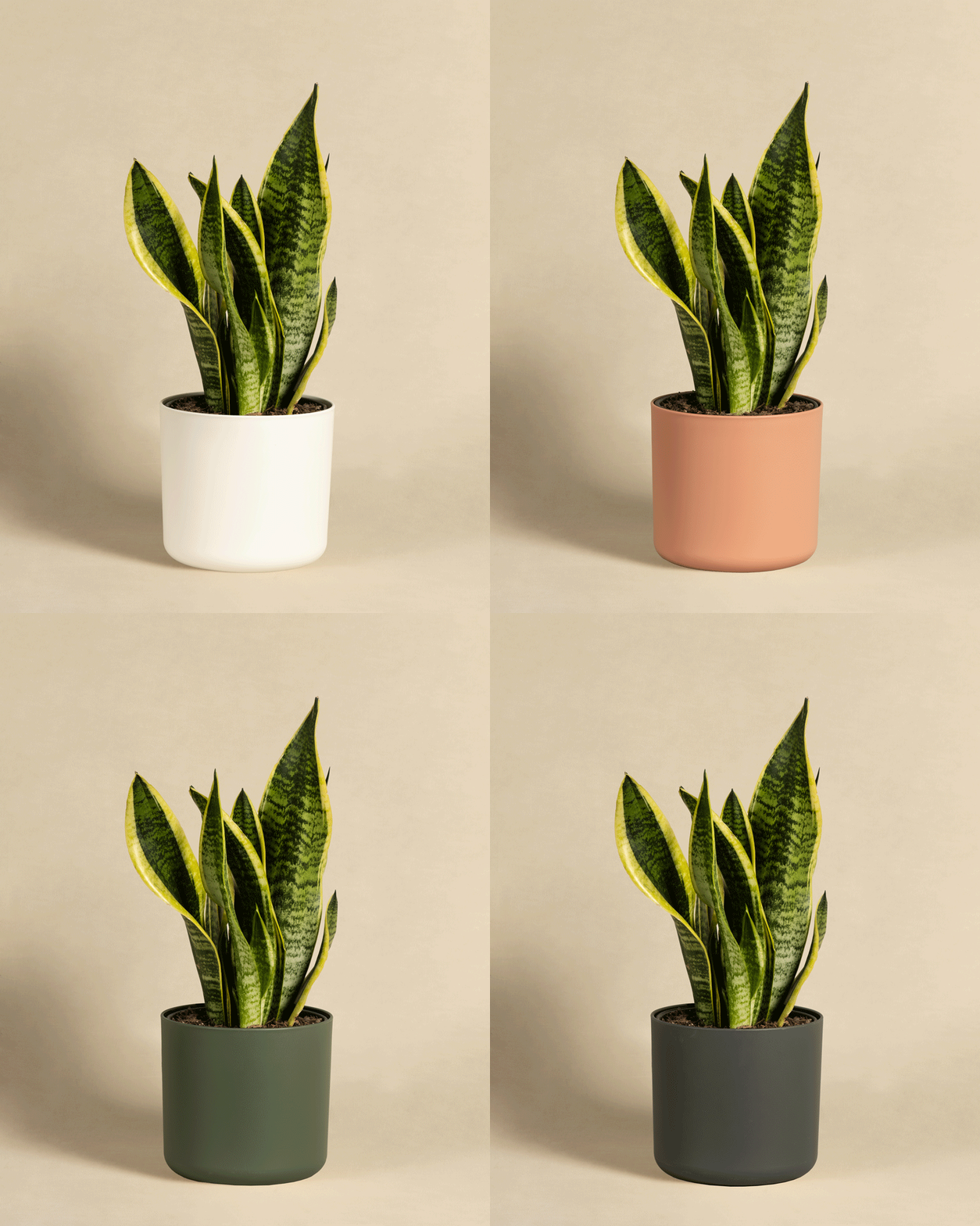
Images of Snake plant
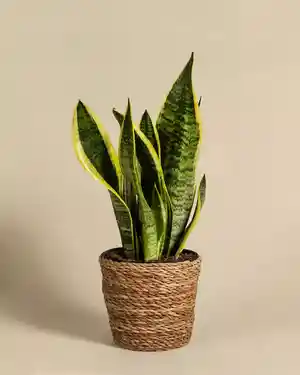
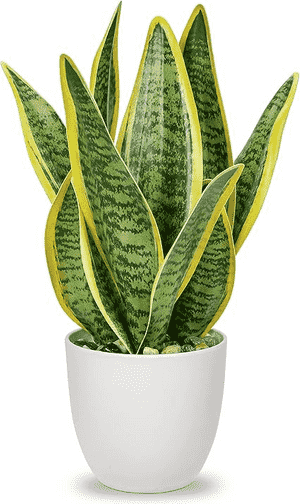
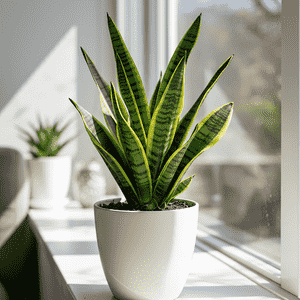
Quickly Identify Snake plant
Scientific Classification of Snake plant
Planting and Growing of Snake plant
 How to Water Snake plant?
 What Are the Sunlight Requirements for Snake plant?
 What Is the Ideal Temperature Range for Snake plant?
 What Soil is Best for Snake plant?
 How to Fertilize Snake plant?
 How to Prune Snake plant?
 How to Propagate Snake plant plant?
 How to Repot Snake plant plant?
Toxicity of Snake plant
Is Snake plant toxic to humans?
The snake plant exhibits low-level toxicity to humans due to the presence of saponin compounds, which can render anyone ill if they consume its leaves. Poisoning symptoms may encompass vomiting, nausea, diarrhea, and excessive saliva production. However, it does not trigger any negative reactions from physical contact. Accidental ingestion is the most common cause of poisoning, particularly affecting children, as the snake plant is a widely favored and visually striking houseplant.
Is Snake plant toxic to cat?
A highly prevalent plant found in residences and workplaces, the snake plant (Sansevieria trifasciata) possesses mild to moderate toxicity upon the consumption of its leaves. Ingesting substantial amounts can lead to nausea and vomiting, or may result in a numbing feeling in the mouth along with swelling of the throat. Immediate veterinary assistance is highly recommended if a cat exhibits these symptoms.
Is Snake plant toxic to dog?
The snake plant poses a moderate level of toxicity to dogs. Its sap, present in all sections of the plant, contains saponins that, when ingested, can result in gastrointestinal disturbances, such as nausea, vomiting, and diarrhea. In more serious instances, it may cause hemolysis of red blood cells. Fortunately, the presence of saponins gives the plant a distinctly bitter taste, which generally discourages dogs from consuming it in substantial amounts.



