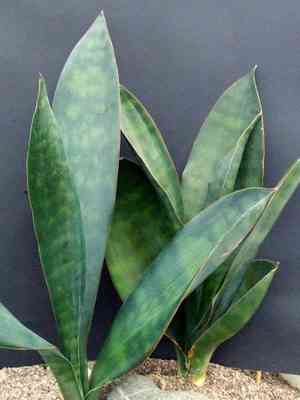
Iguanatail(Sansevieria hyacinthoides)

Iguanatail (Sansevieria hyacinthoides)

Also known as: Mother-in-law's Tongue, Snake Plant, Bowstring Hemp

The Iguanatail plant, commonly known as Epipremnum pinnatum 'Cebu Blue,' is appreciated for its elegant, elongated leaves that display a distinctive silvery-blue hue. This vining plant is perfect for hanging baskets or can be trained to climb, adding a unique vertical element to indoor spaces.

**Characteristics:**
1. **Leaf Shape:** Long, slender, and lance-shaped with a subtle texture.
2. **Growth Habit:** Vigorous and trailing, suitable for cascading or climbing.
3. **Light Needs:** Prefers bright, indirect light but adapts well to lower light conditions.
4. **Water Requirements:** Likes consistently moist soil but can withstand occasional dryness.

**Benefits:**
1. **Visual Appeal:** Enhances indoor decor with its unique leaf color and form.
2. **Air Cleaning:** Contributes to healthier indoor air by filtering out pollutants.
3. **Easy Care:** Ideal for both novice and experienced plant enthusiasts due to its low maintenance needs.
4. **Versatile Placement:** Can be used in various setups such as hanging pots, standard containers, or trained on supports.

In essence, the Iguanatail plant is a striking and hardy houseplant that offers both beauty and practical benefits, making it a valuable addition to any indoor garden.

Attributes of Iguanatail

Lifespan
Perennial
Plant Type
Succulent
Plant Height
30 to 90 cm
Spread
20 to 30 cm
Leaf Color
Dark green with lighter horizontal bands
Flower Size
0.5 to 1 cm
Flower Color
Greenish-white

ForwardPlant - Identify plants with a snap

Identify and diagnose plants, get toxicity alerts, and explore safety guides for all types of fungi.

Try for Free

Images of Iguanatail

Iguanatail(Sansevieria hyacinthoides)

Quickly Identify Iguanatail

1
Sansevieria hyacinthoides can be identified by its rosette of stiff, upright, sword-shaped leaves that are dark green with lighter banding. The leaves are typically pointed at the end and grow between 30 to 90 cm tall.

Scientific Classification of Iguanatail

Phylum
Vascular plants
Class
Monocotyledons
Order
Asparagales
Family
Asparagus
Genus
Snake plants
Species
Iguanatail

Planting and Growing of Iguanatail

Care Difficulty
Easy
Watering Schedule
Every 2 days
Sunlight Requirements
Partial sun
Sunshine Duration
6-10 hours
Ideal Temperature
65-80℉
Soil Type
Potting Mix, Peat Mix
Soil pH
6.5-7.5
Fertilizer Type
Balanced
Pruning Season
Spring, Summer
Pruning Area
Branches, Leaves
Pruning Frequency
2 times a year
Repotting Season
Spring
Pot Type
Ceramic, Plastic

water icon How to Water Iguanatail?

For Sansevieria hyacinthoides, aim to water with about 200ml each session. The goal is to moisten the soil thoroughly, allowing excess water to drain out. This ensures the roots receive adequate hydration without being saturated, respecting the plant's drought tolerance.
What are the symptoms of an underwatered Iguanatail?
What should I do if my Iguanatail is not getting enough water?
What are the symptoms of an overwatered Iguanatail?
How to save an overwatered Iguanatail?

sunlight icon What Are the Sunlight Requirements for Iguanatail?

Sunlight Requirements: Partial sun, Full shade
Duration of light: 4 to 6 hours daily
Ideal light conditions involve partial sun or full shade, providing balanced light exposure that supports photosynthesis while preventing damage. This balance helps maintain vibrant foliage and robust plant growth.
How much sunlight does it prefer?
How to create ideal lighting?
What are the benefits of ideal light conditions?

temperature icon What Is the Ideal Temperature Range for Iguanatail?

Ideal Temperature: 65 ~ 80℉
Sansevieria hyacinthoides thrives best within a temperature range of 65°F to 80°F. This range provides optimal conditions for its metabolic processes and growth. Within this temperature range, the plant can efficiently conduct photosynthesis, maintain hydration, and absorb nutrients from the soil.

soil icon What Soil is Best for Iguanatail?

Soil type: Sandy soil, Loam, Sandy loam
Soil PH: 6.5 ~ 7.5
Sansevieria hyacinthoides thrives in well-drained soil, which prevents root rot by allowing excess water to escape. This type of soil is vital as it ensures the roots receive both water and nutrients, yet avoid the dangers of waterlogging. This plant prefers soil that is rich in organic matter. Nutrient-rich soil supports healthy growth by providing essential minerals and nutrients that encourage robust foliage and a resilient root system. Maintaining a soil pH between 6.5 and 7.5 is crucial for Sansevieria hyacinthoides, as this range allows for optimal nutrient uptake, enhancing plant health. Too acidic or alkaline conditions can impede nutrient absorption, leading to deficiency symptoms.

fertilize icon How to Fertilize Iguanatail?

Fertilizer type: Balanced
Sansevieria hyacinthoides requires a balanced approach to fertilization to maintain its vibrant, sword-like leaves. Using a diluted liquid fertilizer at half the recommended strength ensures the plant receives necessary nutrients without overstressing the root system. Specifically, during the growing season, each application should involve about 5 to 10 ml of liquid fertilizer mixed into 1 liter of water.

prune icon How to Prune Iguanatail?

Pruning Time: Spring, Summer
Avoid cutting away more than 1/3 of the plant at any one time. Sansevieria hyacinthoides stores water in its leaves, so removing too many can deplete its reserves and stress the plant. During and after pruning, keep an eye on your plant for any signs of pests or diseases, which can enter through cuts. Prompt intervention is crucial in mitigating any lasting damage.

propagate icon How to Propagate Iguanatail plant?

Propagate Time: Spring, Early summer
1
Choose healthy, mature leaves from the Sansevieria hyacinthoides plant to ensure the best chance for rooting success. Damaged or diseased leaves are less likely to root successfully and may rot.
2
With a clean, sterilized tool, cut the chosen leaves into sections, each being at least 4-5 inches in length. Allow the cut ends to dry and callous over for a few days to reduce the risk of rot.
3
After the cut ends have calloused, insert them into a well-draining soil mix. Position them vertically with the cut end down, ensuring they remain upright and buried about an inch deep.
More About Propagating Techniques

repot icon How to Repot Iguanatail plant?

Repotting frequency: Every 2-3 years
1
Sansevieria hyacinthoides typically needs repotting when you notice roots growing out from the drainage holes or when it becomes root-bound. This often happens every couple of years. Additionally, if you see the soil not retaining moisture as it should, it's a sign that the plant requires more space for roots to expand and fresh nutrients from new soil.
2
When selecting a pot for your Sansevieria hyacinthoides, ensure it is slightly larger than the previous one to give roots room to grow. The pot should have drainage holes to prevent waterlogging, which is a major issue for snake plants. A terracotta pot is ideal as it allows soil to dry more evenly and quickly, thus preventing root rot.
3
Opt for a well-draining soil mix ideally suited for cacti and succulents. This type of soil prevents water from accumulating around the roots, which can lead to root rot. Well-aerated soil boosts oxygen availability to the roots, promoting healthier growth and reducing the chances of overwatering.

ForwardPlant - Identify plants with a snap

Find the best spots for them to optimize their health, simply using your phone.

Try for Free

Toxicity

Ingestion, Dermal contact

Identify toxic plants for your safety

Learn which plants are harmful to you and your pets, and make informed choices for a safer home!

Try for Free
WARNING
The judgment on toxicity and danger is for reference only. We DO NOT GUARANTEE any accuracy of such judgment. Therefore, you SHALL NOT rely on such judgment. It is IMPORTANT TO SEEK PROFESSIONAL ADVICE in advance when necessary.
