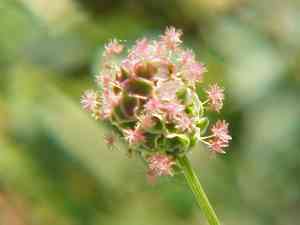
burnet (Sanguisorba) (Sanguisorba)
Also known as: Burnet, Salad Burnet, Garden Burnet
Astilbes are perennial plants known for their lush clusters of small flowers. Native to temperate regions of the Northern Hemisphere, they are popular in ornamental gardening due to their vibrant, rosy-colored blooms. These plants are also favored by butterflies and moths, adding ecological value to their aesthetic appeal.
In This Article
Attributes of burnet (Sanguisorba)
Lifespan
Perennial
Plant Height
50 cm to 150 cm
Spread
Not typically measured in terms of crown diameter as it\'s a herbaceous plant
Leaf Color
Green, can have a tinge of red or purple depending on the variety and season
Flower Size
Small, generally less than 1 cm across for individual flowers but the entire flower spike can be 5-15 cm long
Flower Color
Red, pink, white
Images of burnet (Sanguisorba)
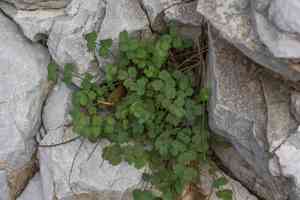
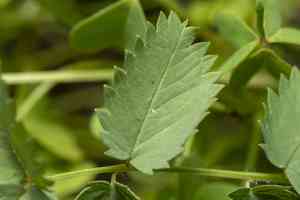
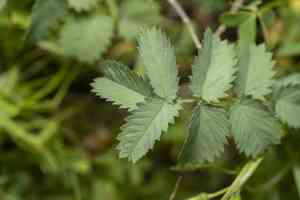
Quickly Identify burnet (Sanguisorba)
1
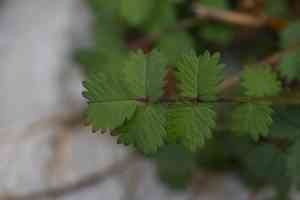
Look for compound leaves with serrated edges and small, densely-packed flowers on tall spikes. The leaves are often pinnate or palmate with an alternate arrangement. The flowers lack true petals and are typically seen in clustered heads.
Scientific Classification of burnet (Sanguisorba)
Phylum
Magnoliophyta
Class
Magnoliopsida
Order
Rosales
Family
Rosaceae
Genus
Sanguisorba
Planting and Growing of burnet (Sanguisorba)
Care Difficulty
Easy
Watering Schedule
Every 4 days
Sunlight Requirements
Partial sun
Sunshine Duration
6-10 hours
Ideal Temperature
60-75℉
Soil Type
Potting Mix, Peat Mix
Soil pH
6.5-7.5
Fertilizer Type
Balanced
Pruning Season
Spring, Summer
Pruning Area
Branches, Leaves
Pruning Frequency
2 times a year
Repotting Season
Spring
Pot Type
Plastic, Ceramic
 How to Water burnet (Sanguisorba)?
Sanguisorba requires moderate watering, ensuring the soil remains moist without being waterlogged. Watering each time should measure around 500 milliliters, allowing for appropriate soil saturation.
What are the symptoms of an underwatered burnet (Sanguisorba)?
›
What should I do if my burnet (Sanguisorba) is not getting enough water?
›
What are the symptoms of an overwatered burnet (Sanguisorba)?
›
How to save an overwatered burnet (Sanguisorba)?
›
 What Are the Sunlight Requirements for burnet (Sanguisorba)?
Sanguisorba prefers partial sunlight that enhances its natural flowering and foliage appearance. This range ensures metabolic efficiency and supports healthy, vigorous plant development.
What is the best sunlight condition?
›
How can you ensure it receives ideal light?
›
What happens when ideal light conditions are met?
›
 What Is the Ideal Temperature Range for burnet (Sanguisorba)?
Sanguisorba thrives best in temperatures between 60 and 75°F, as this range supports optimal growth and physiological activity. Maintaining this temperature allows for proper photosynthesis and nutrient absorption, ultimately enhancing the plant's health.
 What Soil is Best for burnet (Sanguisorba)?
Sanguisorba prefers soils that are well-drained to prevent root rot. Good drainage ensures that the roots receive adequate oxygen and prevents waterlogging, which can lead to plant diseases. This plant thrives in moderately fertile soils. Such soils provide essential nutrients for growth without the risk of over-fertilization, which can damage the plant by promoting excessive leaf growth at the expense of flowers. The soil should retain some moisture without becoming overly wet. This balance helps in sustaining Sanguisorba during dry periods, ensuring consistent growth and bloom.
 How to Fertilize burnet (Sanguisorba)?
Sanguisorba requires moderate fertilization to thrive. A balanced liquid fertilizer diluted to half strength can be applied every month during its growing season. For granular fertilizers, use about 2 tablespoons per square foot once in early spring and once in midsummer to boost the strength and vitality of the plant.
 How to Prune burnet (Sanguisorba)?
To prune Sanguisorba, start by removing any dead or damaged stems. Use sharp, sterilized shears to make clean cuts at a 45-degree angle, about a quarter-inch above a node. This will facilitate new growth. Avoid cutting too close to the node to prevent damage. Trim the plant to maintain a pleasing shape, focusing on cutting back longer branches to encourage a bushier form. Aim for an even structure that allows light to penetrate the entire plant, promoting healthy growth and balanced foliage.
 How to Propagate burnet (Sanguisorba) plant?
1
Collect seeds from mature Sanguisorba plants in late summer. Prepare seed trays with high-quality seed starting mix. Sow the seeds evenly and cover lightly with soil. Keep the trays in a warm, bright location and mist regularly to maintain moisture.
2
Select healthy stems from the parent plant. Using a sharp knife, make a clean cut below a node. Dip the cut end in rooting hormone and plant it in a pot filled with a moist propagation mix. Keep the cutting in a shaded area with high humidity.
3
In early spring, dig up a mature Sanguisorba plant. Gently separate the root clumps into smaller sections using a spade or hands, ensuring each section has roots and shoots. Replant each division in well-prepared soil at the same depth as the original plant.
 How to Repot burnet (Sanguisorba) plant?
1
A strong indicator that your Sanguisorba needs repotting is when you see roots emerging from the pot's drainage holes or the plant dramatically slows its growth. Spring and autumn are ideal seasons for repotting since the temperatures and humidity levels provide a stable environment for adjusting to a new pot.
2
Choose a pot that is 1-2 inches larger in diameter than the current pot. This size ensures the Sanguisorba has enough space to grow without being overwhelmed by too much soil. Additionally, a pot with drainage holes is essential to prevent waterlogging and root rot.
3
Opt for a well-draining loamy soil that can retain some moisture while allowing excess water to escape. This soil type mimics the plant's natural habitat, thus promoting healthy root development and reduces the risk of water-related issues.
Learn More About burnet (Sanguisorba) Diseases
Anthracnose
Bacterial Leaf Spot
Bacterial Wilt
Crown Gall
Cyst Nematode
Damping-off
Downy Mildew
Fusarium Wilt
Gray Mold
Leaf Curl
Leaf Spot
Mosaic
Nutrient Deficiency
Nutrient Toxicity
Powdery Mildew
Root Rot
Root-knot Nematode
Rusts
Sooty Mold
White Mold
Chemical Injury
Drought Stress
Temperature Stress
Spider Mites
Thrips Damage

