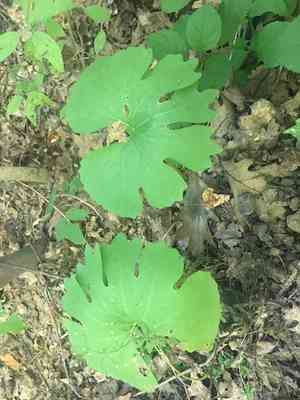
Bloodroot(Sanguinaria canadensis)

Bloodroot (Sanguinaria canadensis)

Also known as: Bloodwort, Tetterwort

Bloodroot (Sanguinaria canadensis) is native to eastern North America and typically blooms in early spring. Found in forests and along riverbanks, it gets its name from the reddish-orange sap that can be used as a dye. Ants play a key role in dispersing its seeds by carrying them to their nests.

Attributes of Bloodroot

Lifespan
Perennial
Plant Type
Herb
Plant Height
20 cm to 50 cm
Spread
7 cm to 15 cm
Leaf Color
Green Blue
Flower Size
1.5 cm to 3 cm
Flower Color
White

PlantJoy - Identify plants with a snap

Identify and diagnose plants, get toxicity alerts, and explore safety guides for all types of fungi.

Try for Free

Images of Bloodroot

Bloodroot(Sanguinaria canadensis)

Quickly Identify Bloodroot

1
Distinct bright orange-red sap in thick rootstock
2
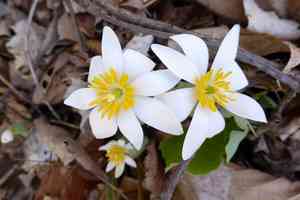
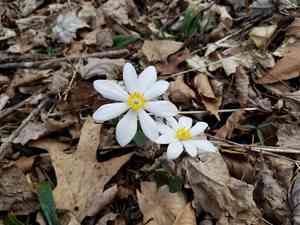
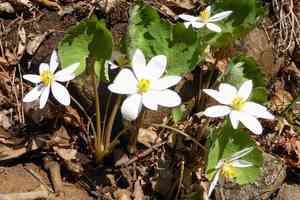
Strikingly bright white flowers with 8-12 symmetrical petals
3
Elongated green pods turning tawny with rough texture
4
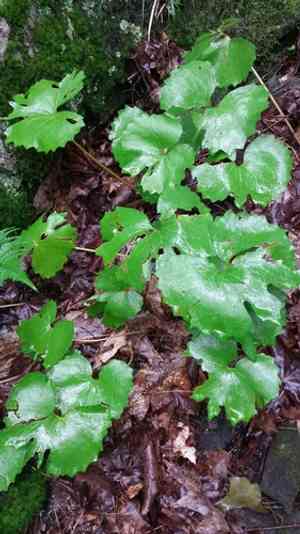
Five to nine-lobed leaves with blunt teeth, palmate vein pattern
5
Fruit pod splits open along seam to release small brown seeds

Scientific Classification of Bloodroot

Phylum
Vascular plants
Class
Dicotyledons
Order
Ranunculales
Family
Poppy
Genus
Canada Puccoon
Species
Bloodroot

Planting and Growing of Bloodroot

Care Difficulty
Easy
Watering Schedule
Every 2 days
Sunlight Requirements
Partial sun
Sunshine Duration
4-8 hours
Ideal Temperature
60-70℉
Soil Type
Potting Mix, Peat Mix
Soil pH
5.5-7
Fertilizer Type
Balanced
Pruning Season
Spring, Summer
Pruning Area
Branches, Leaves
Pruning Frequency
2 times a year
Repotting Season
Spring
Pot Type
Ceramic, Plastic

water icon How to Water Bloodroot?

Watering for Sanguinaria canadensis should be moderate, following the principle of keeping the soil consistently moist but not soggy. You should aim to water until about 250 ml has been absorbed by the soil, ensuring that the moisture penetrates deep enough to reach the roots without causing water-logging.
What are the symptoms of an underwatered Bloodroot?
What should I do if my Bloodroot is not getting enough water?
What are the symptoms of an overwatered Bloodroot?
How to save an overwatered Bloodroot?

sunlight icon What Are the Sunlight Requirements for Bloodroot?

Sunlight Requirements: Partial sun, Full shade
Duration of light: 3-6 hours daily
Sanguinaria canadensis prefers partial sun or filtered light in full shade conditions, promoting vibrant blooms and sturdy foliage. Ideal lighting enhances its natural beauty and ensures balanced energy distribution for holistic growth.
What is the best lighting condition for Bloodroot?
How to achieve ideal lighting for Bloodroot?
Benefits of providing ideal lighting conditions to Bloodroot?
More About Sunlight Requirements Techniques

temperature icon What Is the Ideal Temperature Range for Bloodroot?

Ideal Temperature: 60 ~ 70℉
For optimal growth of Sanguinaria canadensis, temperatures between 60°F and 70°F are considered ideal. This range is similar to the cool and moderate conditions of its native woodland habitat. Maintaining this temperature range ensures that the plant's physiological processes function efficiently, supporting healthy growth and flowering.

soil icon What Soil is Best for Bloodroot?

Soil type: Loam, Sandy loam
Soil PH: 5.5 ~ 7
Sanguinaria canadensis thrives in soil that retains moisture without becoming waterlogged. The benefit here is providing consistent moisture levels, which is essential for healthy root development and avoiding stress during dry spells. This plant flourishes in soil that is rich in organic matter. Nutrient-rich soil ensures a steady supply of essential nutrients that supports robust plant growth and vibrant foliage. A well-draining soil prevents root rot by allowing excess water to move away from the root system. This helps protect the plant from fungal diseases and ensures healthy root function.

fertilize icon How to Fertilize Bloodroot?

Fertilizer type: Balanced
For Sanguinaria canadensis, the recommended amount of fertilizer is moderate. Use a balanced 10-10-10 NPK liquid fertilizer, diluted to half strength. Apply about 1 cup of this solution per plant during the growing season from early spring to late summer.

prune icon How to Prune Bloodroot?

Pruning Time: Spring, Summer, Autumn
First, inspect the plant thoroughly to identify any dying, dead, or diseased parts. Removing these parts will prevent the spread of disease and promote healthy growth. Carefully prune back stems to just above healthy buds or leaves. Make cuts at a slight angle to facilitate better moisture runoff, which helps prevent fungal infections. Gently shape the plant by trimming overgrown stems to maintain the plant’s desired shape and size. This encourages a bushier growth habit and can lead to a more aesthetically pleasing plant. More About Pruning Techniques

propagate icon How to Propagate Bloodroot plant?

Propagate Time: Early spring, Spring
1
Collect seeds from mature Bloodroot plants in late spring and clean them to remove any pulp. Stratisfy the seeds by placing them in a moist sand and peat mix in a refrigerator for 60-90 days to break dormancy.
2
Prepare a well-draining soil mix consisting of loam, peat, and sand. This mix provides the necessary nutrients and aeration for Bloodroot seeds to germinate successfully.
3
Divide Bloodroot rhizomes in early spring just as new growth begins. Use a sharp trowel to separate sections with at least one bud and several roots. Replant immediately to prevent desiccation.
More About Propagating Techniques

repot icon How to Repot Bloodroot plant?

Repotting frequency: Every 2-3 years
1
Sanguinaria canadensis shows signs of needing repotting when growth seems stunted or roots start to overflow from the drainage holes. These are clear indicators it’s time for a new, more spacious pot. The optimal time for repotting is early spring before the growth period begins, as this allows the roots to recover and establish in the new soil throughout the growing season.
2
When choosing a pot for Bloodroot, opt for one that provides ample drainage, such as a clay pot with sufficient drainage holes. Pick a size just a bit larger than the previous pot to encourage healthy root expansion without overwhelming the plant with excessive soil, which can lead to water retention and root rot.
3
Select a well-draining, loamy soil mix enriched with organic matter for repotting. This type of soil prevents waterlogging while providing the necessary nutrients for growth. Look for a slightly acidic to neutral pH level, as this range is optimal for Sanguinaria canadensis to thrive.

PlantJoy - Identify plants with a snap

Find the best spots for them to optimize their health, simply using your phone.

Try for Free

Toxicity of Bloodroot

Is Bloodroot toxic to humans?

The roots of bloodroot are extremely poisonous when consumed in significant amounts. They are rich in isoquinoline alkaloids, which can produce severely detrimental effects on the human body if ingested. Symptoms of consumption may include vomiting, dizziness, fainting spells, nausea, diarrhea, dilated pupils, and potential heart failure. Although bloodroot is marketed as a topical salve with outcomes that have not been thoroughly studied, it absolutely should not be taken internally.

Is Bloodroot toxic to cat?

Bloodroot represents a moderate risk to the health of felines, as cats may suffer from poisoning upon ingesting any portion of the plant. If a feline ingests parts of bloodroot, it might display signs of physical distress, which can differ in their presentation. Due to the moderate toxicity associated with bloodroot, it is essential for cat owners to observe their pets for any atypical symptoms and to quickly obtain veterinary care for their animal friends if any negative reactions occur.

Is Bloodroot toxic to dog?

Bloodroot presents a moderate level of toxicity risk for dogs. Poisoning usually occurs when a dog ingests any part of the plant, as all components of bloodroot are toxic. Following ingestion, dogs may display a range of symptoms associated with poisoning. These symptoms may include vomiting, diarrhea, lethargy, abdominal discomfort, and in more severe instances, central nervous system depression or respiratory distress. Considering these potential health hazards, it is crucial for dog owners to keep their pets away from bloodroot and to seek prompt veterinary assistance if they suspect their dog has consumed any part of the plant.

Identify toxic plants for your safety

Learn which plants are harmful to you and your pets, and make informed choices for a safer home!

Try for Free
WARNING
The judgment on toxicity and danger is for reference only. We DO NOT GUARANTEE any accuracy of such judgment. Therefore, you SHALL NOT rely on such judgment. It is IMPORTANT TO SEEK PROFESSIONAL ADVICE in advance when necessary.
More About Toxic Techniques