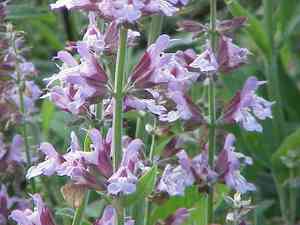
Sages (Salvia) (Salvia)
Also known as: Sage, Garden sage, Common sage
Sages are a versatile group of flowering plants belonging to the mint family. Many species, known for their vibrant and attractive blooms, are widely cultivated as ornamental plants. Their aromatic leaves are often used in making potpourri. Additionally, numerous species of sage have been valued as culinary herbs across different cultures for thousands of years, enhancing the flavor of various dishes.
In This Article
Attributes of Sages (Salvia)
Lifespan
Annual, Biennial, Perennial
Plant Height
1.3 m
Spread
1 m
Leaf Color
Green, sometimes with purple, gray, or variegated patterns
Flower Size
2.5 cm
Flower Color
Blue, purple, red, pink, white
Images of Sages (Salvia)
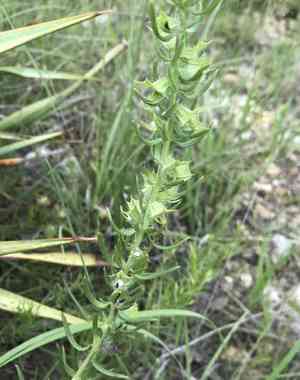
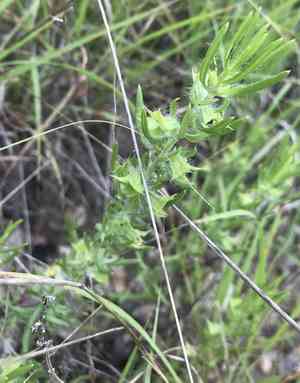
Quickly Identify Sages (Salvia)
1
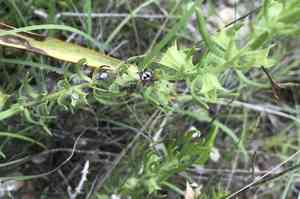
Salvia plants typically have square stems, opposite leaves, and tubular flowers. The leaves are often aromatic when crushed, and the flowers can vary widely in color, commonly appearing in shades of blue, purple, red, or white.
Scientific Classification of Sages (Salvia)
Phylum
Magnoliophyta
Class
Magnoliopsida
Order
Lamiales
Family
Lamiaceae
Genus
Salvia
Planting and Growing of Sages (Salvia)
Care Difficulty
Moderate
Watering Schedule
Every 4 days
Sunlight Requirements
Full sun
Sunshine Duration
4-6 hours
Ideal Temperature
60-70℉
Soil Type
Potting Mix, Peat Mix
Soil pH
6.5-7.5
Fertilizer Type
Balanced
Pruning Season
Spring, Summer
Pruning Area
Branches, Leaves
Pruning Frequency
2 times a year
Repotting Season
Spring
Pot Type
Plastic, Ceramic
 How to Water Sages (Salvia)?
When watering Salvia, aim to provide around 200 milliliters each time. Ensure the water thoroughly reaches the roots without leaving excess puddles, creating a well-drained environment that mimics its natural habitat. Balancing adequate moisture and drainage is key to maintaining healthy growth.
What are the symptoms of an underwatered Sages (Salvia)?
›
What should I do if my Sages (Salvia) is not getting enough water?
›
What are the symptoms of an overwatered Sages (Salvia)?
›
How to save an overwatered Sages (Salvia)?
›
 What Are the Sunlight Requirements for Sages (Salvia)?
Salvia prefers full to partial sun, which supports prolific flowering, robust growth, and enhanced resistance to environmental stress.
What is the best lighting condition?
›
How can you ensure ideal lighting?
›
What benefits does ideal lighting provide?
›
 What Is the Ideal Temperature Range for Sages (Salvia)?
The ideal temperature range for growing Salvia is between 60°F and 70°F. This range provides the best conditions for growth and ensures that the plant's metabolic processes operate efficiently. At these temperatures, Salvia is able to photosynthesize effectively, leading to optimal growth and vibrant blooms. Maintaining consistent temperatures within this range is crucial for the health and development of Salvia plants.
 What Soil is Best for Sages (Salvia)?
Salvia thrives in soils that provide excellent drainage. Standing water can cause the roots to rot, severely affecting plant health. A well-draining soil ensures that salvia roots remain healthy and robust, preventing diseases and promoting vigorous growth. Salvia prefers soil with moderate fertility. Overly rich or fertilized soils can lead to excessive foliage and reduced blooming. This balanced fertility allows salvia to produce vibrant flowers without becoming overly lush, thus maintaining an ideal growth form. Soil aeration is crucial for salvia, as it allows roots to access oxygen easily. Compacted soils can starve roots of oxygen, leading to poor growth. A well-aerated soil encourages a healthy root system and supports abundant flowering.
 How to Fertilize Sages (Salvia)?
For Salvia, it’s important to maintain balanced growth, so you should use a balanced all-purpose fertilizer with an N-P-K ratio of 10-10-10. Mix this with water at half the recommended strength to avoid over-fertilization, applying about 1/2 cup per plant for each application of liquid fertilizer. This helps to provide a steady nutrient supply without overwhelming the roots.
 How to Prune Sages (Salvia)?
Before starting, clean your pruning shears with a disinfectant to prevent the spread of any potential diseases from plant to plant. Start by cutting away any dead or woody stems at the base of the plant. This not only improves aesthetics but also reduces pest habitats. Trim perennial Salvia's stems by about one-third in late spring or early summer. This encourages a bushier form and more vibrant blooms. Use clean, sharp shears for precise cuts. Remove spent flowers regularly to encourage the plant to produce new blooms. This process, known as deadheading, can significantly extend the flowering season.
 How to Propagate Sages (Salvia) plant?
1
Before propagating Salvia, prepare a well-draining soil mix. Combine equal parts of peat, perlite, and coarse sand. This mixture provides the aeration and drainage necessary for young plants to thrive. Moisten the soil slightly before use.
2
Select healthy Salvia stems from the parent plant. Make a clean cut just below a node using sterilized shears. Remove the lower leaves from the cutting, leaving a few pairs at the top. Dip the cut end into rooting hormone powder to promote root development.
3
Scatter Salvia seeds evenly over the prepared soil in your propagation tray. Lightly cover them with a thin layer of soil. Water gently to avoid displacing the seeds. Ensure the seeds receive indirect sunlight to facilitate germination.
 How to Repot Sages (Salvia) plant?
1
Watch for signs like roots growing out of drainage holes, soil drying out quickly, or stunted growth. These indicate that your Salvia needs more room to flourish and benefit from fresh soil.
2
Select a pot that is 2 inches larger in diameter than the current one. Ensure it has good drainage holes, as this prevents waterlog and root rot, ensuring your plant's roots breathe well and stay healthy.
3
Opt for a well-draining potting mix, ideally a blend with perlite or sand. This is crucial as it ensures proper aeration and prevents waterlogging, fostering a healthy environment for Salvia's roots.
Learn More About Sages (Salvia) Diseases
Anthracnose
Bacterial Leaf Spot
Bacterial Soft Rot
Bacterial Wilt
Chemical Injury
Crown Gall
Cyst Nematode
Damping-off
Downy Mildew
Drought Stress
Fusarium Wilt
Gray Mold
Leaf Curl
Leaf Spot
Mosaic
Nutrient Deficiency
Nutrient Toxicity
Powdery Mildew
Root Rot
Root-knot Nematode
Rusts
Sooty Mold
Spider Mites
Temperature Stress
Thrips Damage
White Mold

