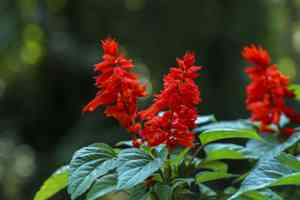
Scarlet sage(Salvia splendens)

Scarlet sage (Salvia splendens)

Also known as: Tropical sage, Bonfire salvia

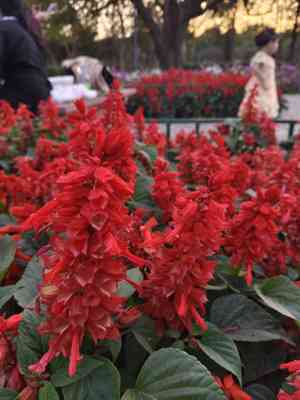
**Scarlet sage (Salvia splendens)** is a perennial herb originating from Brazil. Its numerous small flowers are perfectly shaped to attract hummingbirds and butterflies, making it a common feature in ornamental gardening. This plant is widely used for decorative purposes and has become a staple in indoor flower arrangements, including those found in shopping centers.

Attributes of Scarlet sage

Lifespan
Annual, Perennial, Biennial
Plant Type
Herb
Plant Height
40 cm to 1.3 m
Spread
30 cm to 60 cm
Leaf Color
Green
Flower Size
2.5 cm to 8 cm
Flower Color
Red White Pink Purple Orange Lavender

PlantJoy - Identify plants with a snap

Identify and diagnose plants, get toxicity alerts, and explore safety guides for all types of fungi.

Try for Free

Images of Scarlet sage

Scarlet sage(Salvia splendens)

Quickly Identify Scarlet sage

1
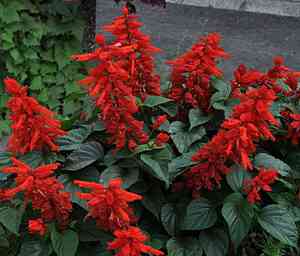
Vibrant flower spikes in fiery red hue distinguish scarlet sage at 1-3 feet (30-91 cm) tall.
2
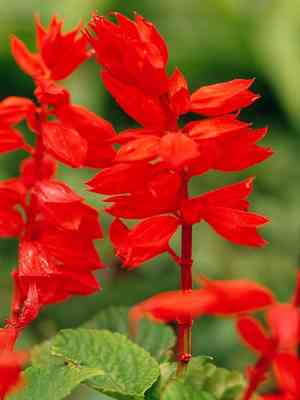
Scarlet tubular flowers in dense whorls on 12-25 cm racemes define scarlet sage.
3
Dry schizocarp fruit splits into 4 chambers, each with a single nutlet.
4
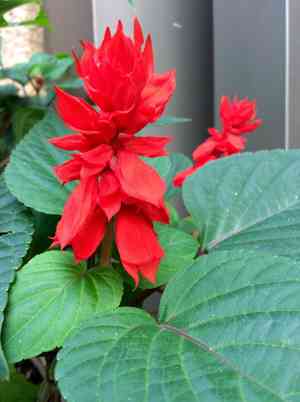
Opposite, ovate leaves with crenate margins and glabrate surface adorn scarlet sage.
5
Sturdy, square stems with slight branching grow erect at 8-30 inches (20-76 cm) tall.

Scientific Classification of Scarlet sage

Phylum
Vascular plants
Class
Dicotyledons
Order
Mints plantains olives and allies
Family
Mint
Genus
Sages
Species
Scarlet sage

Planting and Growing of Scarlet sage

Care Difficulty
Easy
Watering Schedule
Every 8 days
Sunlight Requirements
Full sun
Sunshine Duration
6-10 hours
Ideal Temperature
64-75℉
Soil Type
Potting Mix, Peat Mix
Soil pH
6.5-7.5
Fertilizer Type
Balanced
Pruning Season
Spring, Summer
Pruning Area
Branches, Leaves
Pruning Frequency
2 times a year
Repotting Season
Spring
Pot Type
Plastic, Ceramic

water icon How to Water Scarlet sage?

The watering amount for Salvia splendens should ideally be around 250 milliliters per session. This amount ensures that the soil is sufficiently moist but not waterlogged. The key is to aim for moist soil at a depth of about an inch. Always ensure water freely drains from the pot base to avoid stagnant water, which can harm the roots.
What are the symptoms of an underwatered Scarlet sage?
What should I do if my Scarlet sage is not getting enough water?
What are the symptoms of an overwatered Scarlet sage?
How to save an overwatered Scarlet sage?
More About Watering Techniques

sunlight icon What Are the Sunlight Requirements for Scarlet sage?

Sunlight Requirements: Full sun, Partial sun
Duration of light: 6-8 hours daily
A sunny to partially shaded environment is ideal for Salvia splendens. With proper exposure, the plant displays lush growth and vibrant blooms, providing a stunning visual impact and thriving in your garden landscape.
What is the best type of sunlight for Salvia splendens?
How can I ensure my Salvia splendens receives enough light?
What benefits does ideal light exposure bring to Salvia splendens?
More About Sunlight Requirements Techniques

temperature icon What Is the Ideal Temperature Range for Scarlet sage?

Ideal Temperature: 64 ~ 75℉
Salvia splendens thrives in warm conditions, preferring an ideal temperature range of 64°F to 75°F. This temperature range supports optimal growth and flowering, ensuring that the plant maintains its vibrant color and robust foliage.

soil icon What Soil is Best for Scarlet sage?

Soil type: Loam, Sandy loam
Soil PH: 6.5 ~ 7.5
Salvia splendens thrives in well-drained soil, enabling its roots to access essential nutrients and oxygen. This helps in preventing root rot and promotes healthy growth, ensuring vibrant flowers. Moderately fertile soil is vital for Salvia splendens, providing essential nutrients without overwhelming the plant. This balance ensures ample nourishment, supporting lush foliage and robust blooming. Maintaining consistent soil moisture is key for Salvia splendens. This plant benefits from even hydration, which supports its metabolic processes and fosters continuous, vibrant flowering. More About Soil

fertilize icon How to Fertilize Scarlet sage?

Fertilizer type: Balanced
For Salvia splendens, use a balanced 10-10-10 liquid fertilizer at half strength. Apply approximately 250 ml per plant. Ensure that the soil is moist before applying fertilizer to prevent root burn. More About Fertilizing Techniques

prune icon How to Prune Scarlet sage?

Pruning Time: Spring, Summer, Autumn
Ensure your pruning tools are clean and sharp before use. This helps prevent disease transmission and makes cleaner cuts, promoting healthier regrowth for your Salvia splendens. Be mindful not to over-prune, as excessive removal of foliage can stress the plant. Focus on removing dead or diseased parts, and limit trimming to about a third of the plant at any given time. More About Pruning Techniques

propagate icon How to Propagate Scarlet sage plant?

Propagate Time: Spring, Late Spring, Early Summer
1
Harvest seeds from mature Salvia splendens plants when the flowers have dried and developed seed pods. Make sure to collect them on a dry day to prevent mold and store them in a cool, dry place until ready for planting.
2
Use a well-draining potting mix for both seeds and cuttings. This typically involves combining equal parts of peat, perlite, and vermiculite to create an environment that retains moisture while also allowing excess water to drain away.
3
In spring, choose healthy non-flowering stems around 3-4 inches long for cutting. Remove the lower leaves and dip the cut end into rooting hormone to stimulate root development before placing them in the potting mix.
More About Propagating Techniques

repot icon How to Repot Scarlet sage plant?

Repotting frequency: Every 1-2 years
1
Salvia splendens gives signs it's ready for repotting when you observe roots growing out of the drainage holes, or if water stagnates on the surface longer than usual. Early spring is ideal as the plant is poised to burst into growth, recovering more swiftly after a move.
2
Select a pot about two inches larger in diameter than the current one, with drainage holes. This encourages healthy root development without excess soil that can hold too much moisture, potentially drowning the roots of your vibrant Salvia splendens.
3
Opt for a well-draining potting mix, perhaps with some perlite or sand to enhance drainage. This type of soil ensures roots have access to air and won’t suffocate, preventing root rot, and keeps your plant flourishing with abundant flowers.

PlantJoy - Identify plants with a snap

Find the best spots for them to optimize their health, simply using your phone.

Try for Free

Toxicity of Scarlet sage

Is Scarlet sage toxic to cat?

Scarlet sage presents a moderate toxicity hazard to cats when consumed in significant quantities. Every aspect of the plant carries some risk, and consumption can result in discomfort or illness in feline companions. It is important for pet owners to keep an eye on their cats to prevent them from eating scarlet sage. If poisoning is suspected, prompt veterinary care is crucial to safeguard the health and well-being of the affected cat.

Is Scarlet sage toxic to dog?

Scarlet sage presents a mild toxicity risk to dogs. Although cases of poisoning are relatively rare, they can happen if a dog ingests large quantities of the plant. Every part of scarlet sage is deemed toxic and could lead to negative reactions in dogs. Signs of poisoning may manifest as gastrointestinal distress, including vomiting or diarrhea, and in certain instances, more serious reactions might occur based on the quantity consumed and the individual dog's sensitivity. It is vital for dog owners to keep a close eye on their pets and restrict access to scarlet sage, particularly if they are known to chew on plants. If a dog does consume scarlet sage, seeking immediate veterinary assistance is essential to ensure appropriate treatment and management of any symptoms.

Identify toxic plants for your safety

Learn which plants are harmful to you and your pets, and make informed choices for a safer home!

Try for Free
WARNING
The judgment on toxicity and danger is for reference only. We DO NOT GUARANTEE any accuracy of such judgment. Therefore, you SHALL NOT rely on such judgment. It is IMPORTANT TO SEEK PROFESSIONAL ADVICE in advance when necessary.
More About Toxic Techniques