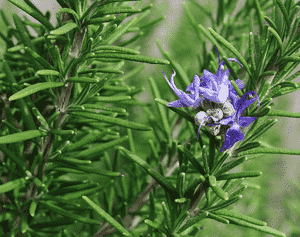
Rosemary (Salvia rosmarinus)
Also known as: Rosemary
Rosemary is a herb with pale flowers and evergreen leaves. It gives off a distinctive scent and is used in cooking as well as in the making of scented perfumes, soaps, and candles. Rosemary is native to the Mediterranean region where evidence of its use by humans dates back at least 7000 years.
In This Article
Attributes of Rosemary
Lifespan
Perennial
Plant Type
Shrub
Plant Height
61 cm to 1.8 m
Spread
60 cm to 1.2 m
Leaf Color
Green Gray
Flower Size
2.5 cm
Flower Color
Blue White Pink
Images of Rosemary

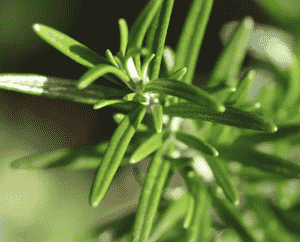
Quickly Identify Rosemary
1
Oppositely arranged needle-like leaves release a strong aroma when bruised.
2
Flowers are tiny, 2-lipped, and display colors ranging from pale blue to pink.
3
Fruit is a schizocarp divided into 4 chambers, each containing a single nutlet.
4
Stem starts soft and green, becoming woody with denser branching as it matures.
5
Overall plant reaches 4-5 feet (1.2-1.5 meters) with erect growth, exhibiting a rounded form.
Scientific Classification of Rosemary
Phylum
Vascular plants
Class
Dicotyledons
Order
Lamiales
Family
Mint
Genus
Sages
Species
Rosemary
Planting and Growing of Rosemary
Care Difficulty
Easy
Watering Schedule
Every 3 days
Sunlight Requirements
Full sun
Sunshine Duration
6-10 hours
Ideal Temperature
60-75℉
Soil Type
Potting Mix, Peat Mix
Soil pH
6.5-7.5
Fertilizer Type
Balanced
Pruning Season
Spring, Summer
Pruning Area
Branches, Leaves
Pruning Frequency
Once a year
Repotting Season
Spring
Pot Type
Plastic, Ceramic
 How to Water Rosemary?
When it comes to watering Salvia rosmarinus, aim to give it about 250 ml of water each time. The key is to ensure that the soil is well-moistened without becoming waterlogged. It's important to allow the top inch of the soil to dry out between watering sessions as this helps maintain the ideal moisture balance for the plant.
More About Watering Techniques→
What are the symptoms of an underwatered Rosemary?
›
What should I do if my Rosemary is not getting enough water?
›
What are the symptoms of an overwatered Rosemary?
›
How to save an overwatered Rosemary?
›
 What Are the Sunlight Requirements for Rosemary?
Salvia rosmarinus prefers a light range of full to partial sun, ideally receiving six to eight hours of daily sunlight. Such exposure promotes vigorous growth, dense foliage, and abundant flowering.
More About Sunlight Requirements Techniques→
What is the ideal light level for Salvia rosmarinus?
›
How to achieve ideal light conditions for Salvia rosmarinus?
›
What benefits come with ideal light conditions?
›
 What Is the Ideal Temperature Range for Rosemary?
Salvia rosmarinus, commonly known as rosemary, thrives best in regions where the temperature ranges between 60°F and 75°F. This range promotes optimal metabolic processes enabling the plant to absorb nutrients efficiently, which encourages overall growth and development. Maintaining this temperature range ensures that the plant remains healthy and productive, especially during its growing season.
 What Soil is Best for Rosemary?
Salvia rosmarinus, commonly known as rosemary, thrives in well-draining soil as it prevents waterlogging, which can harm the roots. A soil mixture that doesn't hold excess water is ideal for healthy root development and plant growth. While rosemary is fairly hardy, providing it with soil that has moderate nutrients can encourage more vigorous growth and a lush appearance. Nutrients such as nitrogen, phosphorus, and potassium contribute to its culinary-quality foliage. Rosemary prefers slightly alkaline soil conditions, which enhance nutrient uptake. The calcium present in this soil type can strengthen cell walls, promoting robust plant health and better drought resistance.
More About Soil→
 How to Fertilize Rosemary?
For Salvia rosmarinus, or rosemary, a balanced approach to fertilization is key. Use half the recommended dose of a general-purpose liquid fertilizer every two weeks for young plants. For mature plants, a light application of compost or organic matter in the spring should suffice.
More About Fertilizing Techniques→
 How to Prune Rosemary?
Start by identifying any dead or diseased branches and remove them completely. Use sharp, sterilized pruners to prevent the spread of diseases. Cut back around one-third of the plant’s height, focusing on excess growth and crossing branches. Prune just above the leaf node to encourage new growth. Always aim for a natural shape to maintain its aesthetic appeal.
More About Pruning Techniques→
 How to Propagate Rosemary plant?
1
Select healthy, non-flowering stems and cut a four to six-inch piece from the top. Remove the lower leaves to reduce water loss and prepare the cut end for rooting.
2
Dip the cut end into rooting hormone and plant it in a pot filled with a well-draining mix. Ensure the cutting is firm in the soil to prevent air pockets.
3
Sow seeds in a tray with a mixture of seed-starting compost. Lightly cover with soil, mist with water, and place in a sunny spot until germination occurs.
 How to Repot Rosemary plant?
1
Salvia rosmarinus, commonly known as rosemary, signals its need for a new pot when roots start to circle the bottom or protrude from drainage holes. Best times to repot are during its growing seasons, such as spring and summer, ensuring minimal stress and optimal adaptation.
2
Select a pot slightly larger than the current one, with ample drainage holes. Terracotta is ideal as it allows the soil to breathe and helps prevent overwatering, an essential factor for rosemary's preference for dry conditions.
3
Opt for a well-draining, slightly sandy potting mix. This mimics rosemary's natural Mediterranean habitat, offering both efficient drainage and foundational stability, critical for healthy root development and preventing root rot.



