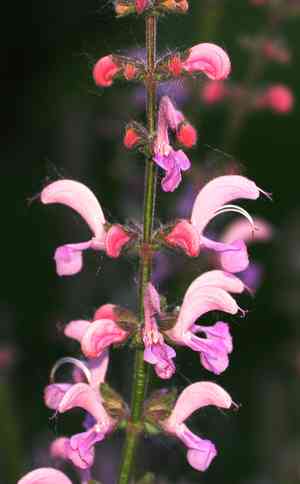
Meadow sage (Salvia pratensis)
Also known as: Meadow clary
Russian Sage (Perovskia atriplicifolia) showcases stunning purple-blue blooms that draw in butterflies, bees, and hummingbirds. This plant adds charm to garden borders or containers and has aromatic foliage. Additionally, Russian Sage is resistant to deer and rabbits.
In This Article
Attributes of Meadow sage
Lifespan
Perennial
Plant Type
Herb
Plant Height
1 m to 1.5 m
Spread
30 cm to 38 cm
Leaf Color
Green
Flower Size
30 cm
Flower Color
White Pink Blue Purple Violet
Images of Meadow sage
Quickly Identify Meadow sage
1
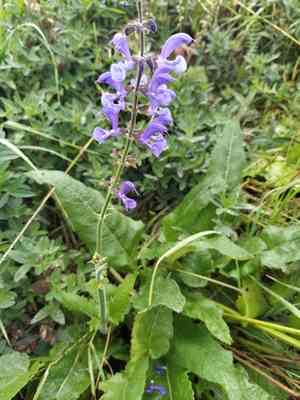
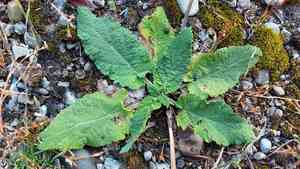
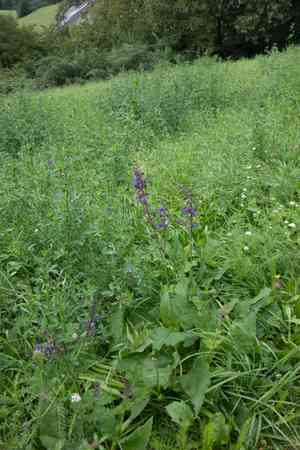
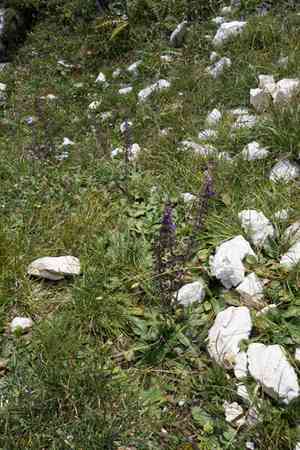
The plant can be identified by its square stems, opposite pairs of elliptical to lance-shaped leaves, and spikes of violet-blue flowers that bloom from late spring to early summer.
Scientific Classification of Meadow sage
Phylum
Vascular plants
Class
Dicotyledons
Order
Lamiales
Family
Mint
Genus
Sages
Species
Meadow sage
Planting and Growing of Meadow sage
Care Difficulty
Easy
Watering Schedule
Every 4 days
Sunlight Requirements
Full sun
Sunshine Duration
6-10 hours
Ideal Temperature
60-75℉
Soil Type
Potting Mix, Peat Mix
Soil pH
6.5-7.5
Fertilizer Type
Balanced
Pruning Season
Spring, Summer
Pruning Area
Branches, Leaves
Pruning Frequency
2 times a year
Repotting Season
Spring
Pot Type
Plastic, Ceramic
 How to Water Meadow sage?
Salvia pratensis, commonly known as meadow sage, requires watering that allows the soil to remain moist but not waterlogged. It's crucial to water until the top few inches of soil feel damp. This ensures the plant's roots receive sufficient moisture without drowning them, promoting healthy growth.
More About Watering Techniques→
What are the symptoms of an underwatered Meadow sage?
›
What should I do if my Meadow sage is not getting enough water?
›
What are the symptoms of an overwatered Meadow sage?
›
How to save an overwatered Meadow sage?
›
 What Are the Sunlight Requirements for Meadow sage?
Full sun to partial sun ensures Salvia pratensis remains vigorous, with better growth and fuller flowering. Ideal lighting is crucial for maximizing the plant’s aesthetic and ecological value.
More About Sunlight Requirements Techniques→
What type of light does Salvia pratensis prefer?
›
How can Salvia pratensis receive its ideal lighting?
›
What benefits does ideal lighting provide for Salvia pratensis?
›
 What Is the Ideal Temperature Range for Meadow sage?
The ideal temperature range for Salvia pratensis falls between 60°F and 75°F. These temperatures provide a comfortable environment that facilitates growth and flowering. Within this range, the plant can efficiently absorb nutrients and water, leading to optimal health and vibrant blooms.
 What Soil is Best for Meadow sage?
Salvia pratensis thrives in well-draining soils that prevent water from accumulating around the roots. This helps in avoiding rot and fungal diseases, promoting healthier root development. The plant prefers soils enriched with organic matter which supply it with essential nutrients, boosting its vibrant growth and flowering potential. While dry-adapted, this plant benefits from soil that retains some moisture without being waterlogged, ensuring a consistent environment that supports sustained growth.
More About Soil→
 How to Fertilize Meadow sage?
For Salvia pratensis, the recommended amount of fertilizer should be enough to sustain healthy growth but should not overwhelm the roots. Typically, use a balanced 10-10-10 liquid fertilizer at half strength, applying one tablespoon per gallon of water. For slow-release fertilizers, use about a quarter cup per square foot of soil surface around the plant, ensuring the granules are evenly distributed and integrated into the top couple of inches of soil.
More About Fertilizing Techniques→
 How to Prune Meadow sage?
Look for any brown, withered, or broken stems and leaves. Use pruners to cut these parts back to the healthy tissue. This practice not only improves the appearance but also helps prevent disease spread. After the initial bloom, cut back the plant by a third. This practice encourages denser growth and might even prompt a second bloom. Be mindful to maintain an even shape for aesthetic balance and to allow sunlight to reach all parts of the plant evenly.
More About Pruning Techniques→
 How to Propagate Meadow sage plant?
1
Begin by filling seed trays with a light, well-drained potting mix. Sow the Salvia pratensis seeds on the surface and lightly cover them with a thin layer of soil or sand. Maintain a temperature of around 20°C and keep the soil moist but not waterlogged.
2
Select healthy, non-flowering shoots from the parent plant. Cut a segment of about 5-8 cm with a sharp knife or secateurs. Remove any leaves from the bottom half and dip the cut end into rooting hormone before planting in a potting mix.
3
Perform division on mature plants during early spring or early summer. Carefully dig up the plant and separate it into smaller clumps using a knife or your hands, ensuring each new clump has sufficient roots and shoots.
 How to Repot Meadow sage plant?
1
Salvia pratensis shows it's time for repotting when roots begin to crowd or escape through drainage holes. Additionally, slow growth or water drainage issues can signal the need. Repot in early spring or autumn, allowing the plant to adjust before extreme weather conditions.
2
Opt for a pot that's one size larger than the current one to allow room for growth. A pot with adequate drainage holes is essential to prevent waterlogging, which can lead to root rot. Materials like terracotta can also help with moisture management, promoting a healthier root environment.
3
Use a well-draining potting mix that retains some moisture. A mix with perlite or coarse sand is ideal as it provides aeration, preventing the roots from sitting in water. This type of soil ensures that your Salvia pratensis receives adequate nutrients and oxygen.
Learn More About Meadow sage Diseases
Anthracnose
Bacterial Leaf Spot
Bacterial Wilt
Crown Gall
Cyst Nematode
Damping-off
Downy Mildew
Drought Stress
Fusarium Wilt
Gray Mold
Leaf Curl
Leaf Spot
Mosaic
Nutrient Deficiency
Nutrient Toxicity
Powdery Mildew
Root Rot
Root-knot Nematode
Rusts
Sooty Mold
Spider Mites
Temperature Stress
Thrips Damage
White Mold



