
Sage (Salvia patens)
Also known as: Gentian sage
Salvia patens, originating from central Mexico, is a popular choice in horticulture. While its flowers are typically a striking blue, there are also varieties with lilac, white, and various shades of blue. These eye-catching blooms are particularly effective at attracting pollinators such as hummingbirds, bees, and butterflies.
In This Article
Attributes of Sage
Lifespan
Perennial, Annual
Plant Type
Herb
Plant Height
30 cm to 60 cm
Spread
30 cm to 60 cm
Leaf Color
Green
Flower Size
2.5 cm to 5 cm
Flower Color
Blue White
Images of Sage
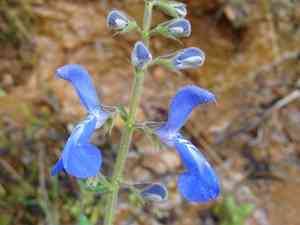
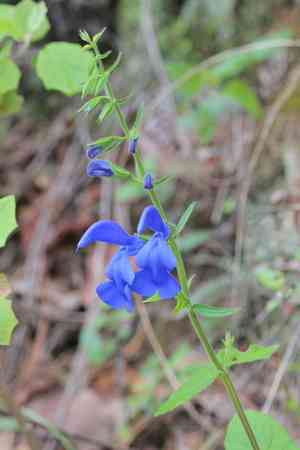
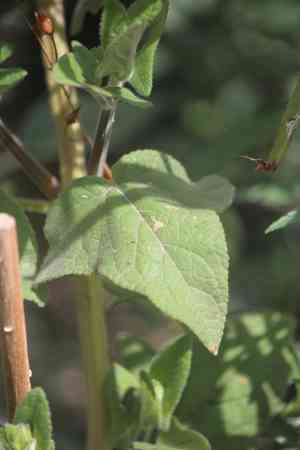
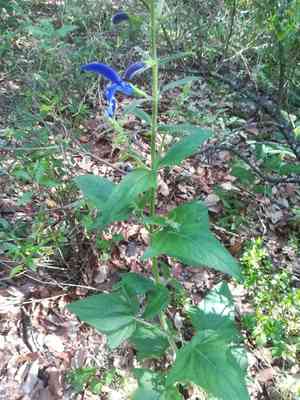
Quickly Identify Sage
1
To identify Salvia patens, look for its distinctive gentian-blue flowers that are large and tubular, arranged in terminal racemes. The leaves are opposite, ovate to triangular, and have a slightly toothed edge.
Scientific Classification of Sage
Phylum
Vascular plants
Class
Dicotyledons
Order
Mints plantains olives and allies
Family
Mint
Genus
Sages
Species
Sage
Planting and Growing of Sage
Care Difficulty
Easy
Watering Schedule
Every 4 days
Sunlight Requirements
Full sun
Sunshine Duration
6-10 hours
Ideal Temperature
65-75℉
Soil Type
Potting Mix, Peat Mix
Soil pH
6.5-7.5
Fertilizer Type
Balanced
Pruning Season
Spring, Summer
Pruning Area
Branches, Leaves
Pruning Frequency
2 times a year
Repotting Season
Spring
Pot Type
Plastic, Ceramic
 How to Water Sage?
For Salvia patens, the soil should be moist but not waterlogged. A good rule of thumb is to provide about 500 milliliters of water per session. Ensure that the water soaks into the soil deeply, allowing the roots to absorb adequate moisture. The aim is to keep the soil evenly moist without flooding it.
What are the symptoms of an underwatered Sage?
›
What should I do if my Sage is not getting enough water?
›
What are the symptoms of an overwatered Sage?
›
How to save an overwatered Sage?
›
 What Are the Sunlight Requirements for Sage?
Salvia patens prefers full to partial sun exposure. Access to such light ensures maximized blooming potential and healthier foliage, boosting immune response against external stressors.
More About Sunlight Requirements Techniques→
What is the ideal sunlight for Salvia patens?
›
How to ensure Salvia patens receives optimal light conditions?
›
What benefits does Salvia patens gain from ideal lighting?
›
 What Is the Ideal Temperature Range for Sage?
For optimal growth, Salvia patens thrives in temperatures ranging from 65 to 75°F. This range supports robust foliage and consistent blooming, ensuring the plant maintains its vibrant health. Moderating temperatures within this ideal band aids in avoiding plant stress and promotes effective nutrient uptake.
 What Soil is Best for Sage?
Salvia patens thrives in well-drained soil to prevent waterlogging, which can lead to root rot. Good drainage ensures that the roots receive sufficient oxygen and nutrients, promoting healthy growth. While drainage is important, the soil should retain sufficient moisture to keep the plant hydrated, especially during dry spells. This balance helps maintain lush, vibrant foliage and prolongs flowering periods. A soil rich in organic matter but not overly fertile ensures that Salvia patens grows at a steady rate without becoming overly lush and weak, promoting a strong, resilient plant structure.
 How to Fertilize Sage?
For Salvia patens, employing a balanced 10-10-10 liquid fertilizer is ideal. When mixing, use a dilute solution, reducing the recommended concentration by half. This ensures that your plants receive nutrients without the risk of chemical burn, promoting healthy growth and vibrant blooms.
 How to Prune Sage?
Begin by identifying dead, damaged, or crossing stems that may inhibit growth. These should be the first to go as they do not contribute to healthy growth. Trim back overgrown stems to promote better air circulation within the plant. This helps prevent fungal growth and allows sunlight to reach all parts of the plant. After the first bloom cycle, cut back about one third of the plant to encourage a bushier shape and more blooms. Make clean cuts just above a node to stimulate healthy new growth.
More About Pruning Techniques→
 How to Propagate Sage plant?
1
Harvest seeds from mature Salvia patens plants once the seed pods have dried. Ensure the seeds are cleaned and stored in a cool, dry place until ready to sow.
2
Select healthy, disease-free stems from the plant. Make a clean cut just below a node, ensuring the cutting is about 4-6 inches long.
3
Insert cuttings into a moist potting mix or perlite. Keep the medium consistently damp but not soggy, and place the cuttings in a warm, bright location out of direct sunlight.
 How to Repot Sage plant?
1
You'll know it's time to repot Salvia patens when the roots start swirling at the bottom of the pot or protruding from the drainage holes. Another sign is when the plant exhibits stunted growth or wilting despite regular watering and feeding. Ideally, repotting should coincide with the growing season in spring or autumn to minimize stress.
2
Select a pot that is 1-2 inches larger in diameter than the current one to give the roots space to grow. Ensure the new pot has sufficient drainage holes to prevent waterlogging. The added space also helps create a stable environment for the plant's root system, promoting healthy growth and robustness.
3
Opt for a well-draining, sandy mix containing components like peat, perlite, or coarse sand. Such soil prevents water accumulation while allowing essential air to reach the roots. This is crucial for Salvia patens, as it thrives in conditions that mimic its natural habitat, reducing the risk of root rot.
Learn More About Sage Diseases
Anthracnose
Bacterial Leaf Spot
Bacterial Soft Rot
Bacterial Wilt
Chemical Injury
Crown Gall
Damping-off
Downy Mildew
Drought Stress
Fusarium Wilt
Gray Mold
Leaf Spot
Mosaic
Nutrient Deficiency
Nutrient Toxicity
Powdery Mildew
Root Rot
Root-knot Nematode
Rusts
Sooty Mold
Spider Mites
Temperature Stress
Thrips Damage
White Mold



