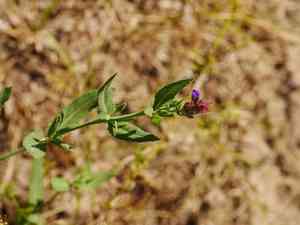
Woodland sage (Salvia nemorosa)
Also known as: Purple wood sage
The Butterfly Bush, or Buddleia, is a plant known for its clusters of purple flowers that bloom on arching stems. This plant is highly attractive to butterflies and bees. After the flowering period, typically in late summer or early fall, it is recommended to cut back the plant to encourage healthy growth and more blooms the following year.
In This Article
Attributes of Woodland sage
Lifespan
Perennial
Plant Type
Herb
Plant Height
45 cm to 60 cm
Spread
45 cm to 60 cm
Leaf Color
Green Gray Silver
Flower Size
2.5 cm
Flower Color
White Purple Blue Pink Violet
Images of Woodland sage
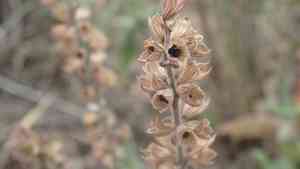
Quickly Identify Woodland sage
1
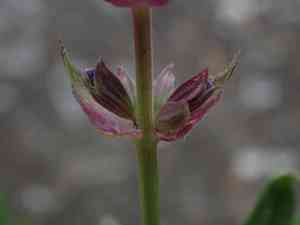
Distinct square stem with fine hairs and slight purple hue at nodes.
2
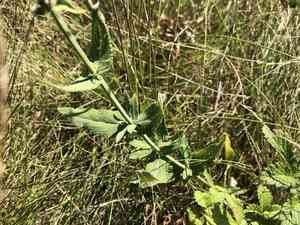
Lance-shaped leaves with veiny, slightly rough texture; green to gray tint.
3
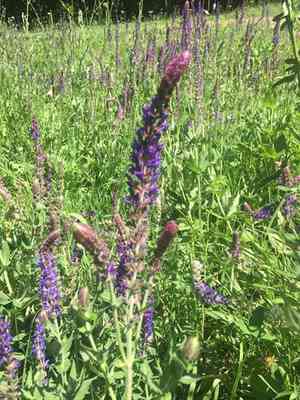
Vibrant floral spikes in lavender to violet-blue on upright stems.
4
Leaves 3-4 inches (7.6-10.2 cm) long with toothed margins and wrinkled texture.
5
Fruit is a schizocarp dividing into four chambers with small nutlets.
Scientific Classification of Woodland sage
Phylum
Vascular plants
Class
Dicotyledons
Order
Lamiales
Family
Mint
Genus
Sages
Species
Woodland sage
Planting and Growing of Woodland sage
Care Difficulty
Easy
Watering Schedule
Every 8 days
Sunlight Requirements
Full sun
Sunshine Duration
4-8 hours
Ideal Temperature
65-75℉
Soil Type
Potting Mix, Peat Mix
Soil pH
6.5-7.5
Fertilizer Type
Balanced
Pruning Season
Spring, Summer
Pruning Area
Branches, Leaves
Pruning Frequency
2 times a year
Repotting Season
Spring
Pot Type
Plastic, Ceramic
 How to Water Woodland sage?
For Salvia nemorosa, ensure that the soil is moist, not waterlogged. Watering should be thorough enough to reach the root zone, which typically requires about 500ml per session. This encourages deep root growth, promoting a robust plant. The goal is to maintain consistently damp soil without causing root rot. Adjust the amount based on weather conditions and soil type.
More About Watering Techniques→
What are the symptoms of an underwatered Woodland sage?
›
What should I do if my Woodland sage is not getting enough water?
›
What are the symptoms of an overwatered Woodland sage?
›
How to save an overwatered Woodland sage?
›
 What Are the Sunlight Requirements for Woodland sage?
Salvia nemorosa ideally flourishes in full to partial sunlight environments. Such conditions enhance growth vigor, maximize blooming periods, and reinforce plant resilience against common stressors.
More About Sunlight Requirements Techniques→
What is the best exposure for Salvia nemorosa?
›
How can I ensure Salvia nemorosa gets its ideal light?
›
What benefits does ideal lighting bring to Salvia nemorosa?
›
 What Is the Ideal Temperature Range for Woodland sage?
The ideal temperature range for Salvia nemorosa is between 65 and 75 degrees Fahrenheit. This range ensures optimal growth and flowering conditions, allowing the plant to thrive with sufficient sunlight and humidity. It is crucial to maintain these temperatures to promote vibrant blooms and healthy foliage.
 What Soil is Best for Woodland sage?
Salvia nemorosa thrives in well-drained soil, which helps prevent waterlogging and root rot. Ensuring the soil has good drainage promotes healthy root development and vigorous growth. This plant prefers a nutrient-rich soil medium to support its growth and vibrant flowering. Enriching the soil with organic matter like compost can significantly enhance its vitality and bloom production. While Salvia nemorosa benefits from nutrients, overly fertile soil can lead to excessive foliage at the expense of flowers. A balanced approach with moderate fertility provides the ideal conditions for blooming.
More About Soil→
 How to Fertilize Woodland sage?
Salvia nemorosa, commonly known as woodland sage, requires moderate fertilization. During the growing season, apply a balanced liquid fertilizer at a rate of 10-15 ml per liter of water. For slow-release granules, distribute 50 grams per square meter. These amounts help develop the vibrant foliage and blossoms while avoiding root burn.
More About Fertilizing Techniques→
 How to Prune Woodland sage?
Begin by identifying the stems that have finished flowering. These should be pruned back to encourage new growth and prevent the plant from becoming leggy. Look for the faded blooms and cut just above the first set of healthy leaves. Use a pair of sharp, clean pruning shears to make precise cuts. This helps to prevent damage to the plant tissues and reduces the risk of disease entering through cuts. Cut the stems at a slight angle to allow water to run off easily and avoid rot. Ensure each cut is clean and smooth, without tearing or crushing the stems, which can create entry points for infections.
More About Pruning Techniques→
 How to Propagate Woodland sage plant?
1
Collect seeds from mature plants or take cuttings in early summer when the plant is actively growing. The seeds should be fully matured and dry, while cuttings should be taken from healthy, non-flowering shoots to ensure good rooting.
2
Use a well-draining potting mix; a combination of perlite, peat, and sand is ideal for Salvia nemorosa. This mix prevents the seeds or cuttings from sitting in water, reducing the chance of rot. The potting mix should be moist but not waterlogged.
3
Sow seeds on the surface of the potting mix and gently cover them, or insert cuttings about an inch deep. Position the pots in a warm, bright area but protect them from direct sunlight which can dry out and damage young plants.
 How to Repot Woodland sage plant?
1
Salvia nemorosa shows signs of needing repotting if roots start peeking out from the drainage holes or becoming root-bound. The ideal time to repot is during the growing seasons, primarily in spring or early autumn, to minimize plant stress.
2
Select a pot that is one size larger than the current one. Ensure it has ample drainage holes as Salvia nemorosa dislikes waterlogged conditions. A slightly larger pot encourages root growth while preventing too much moisture retention, which aids in healthy plant development.
3
Use a well-draining potting mix, ideally one designed for drought-tolerant plants. This type of soil prevents waterlogging and promotes proper aeration, both of which are crucial for growing a healthy Salvia nemorosa. The right soil composition also helps the roots to spread evenly.
Learn More About Woodland sage Diseases
Anthracnose
Bacterial Leaf Spot
Bacterial Soft Rot
Bacterial Wilt
Black Spot
Chemical Injury
Crown Gall
Damping-off
Downy Mildew
Drought Stress
Fusarium Wilt
Gray Mold
Leaf Curl
Leaf Spot
Mosaic
Nutrient Deficiency
Nutrient Toxicity
Powdery Mildew
Root Rot
Root-knot Nematode
Rusts
Sooty Mold
Spider Mites
Temperature Stress
Thrips Damage
White Mold



