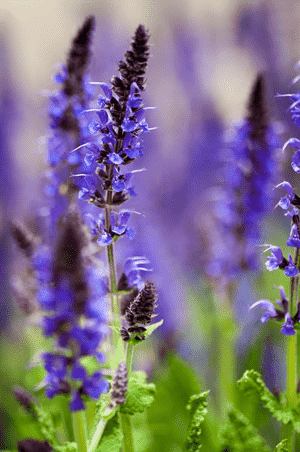
Salvia jordanii (Salvia jordanii)
Also known as: Jordan's Sage
Salvia jordanii, also known as Algerian rosemary, is a specific type of Salvia hailing from Spain, Morocco, Algeria, and Libya. Priorly, it was classified under the smaller genus Rosmarinus, however, owing to DNA proof, its placement was shifted to the genus Salvia.
In This Article
Attributes of Salvia jordanii
Lifespan
Perennial
Images of Salvia jordanii
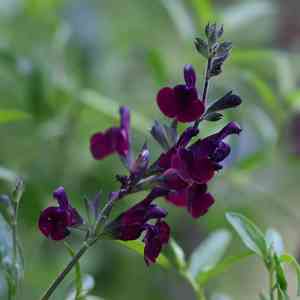
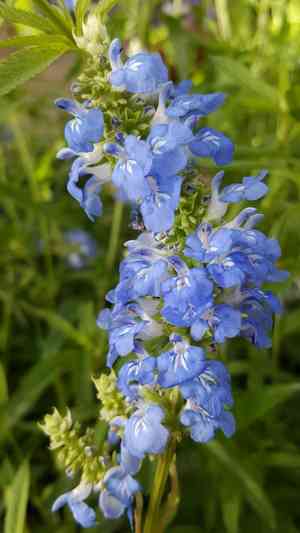
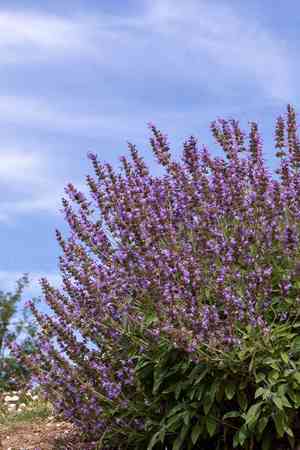
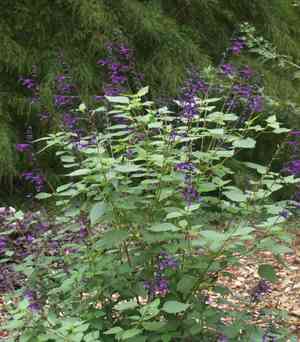
Quickly Identify Salvia jordanii
1
Salvia jordanii can be identified by its aromatic leaves, square stems, and clusters of small, tubular flowers often in shades of blue or purple.
Scientific Classification of Salvia jordanii
Phylum
Tracheophyta
Class
Magnoliopsida
Order
Lamiales
Family
Lamiaceae
Genus
Salvia
Species
S. jordanii
Planting and Growing of Salvia jordanii
Care Difficulty
Moderate
Watering Schedule
Every 2 days
Sunlight Requirements
Full sun
Sunshine Duration
4-8 hours
Ideal Temperature
60-75℉
Soil Type
Potting Mix, Peat Mix
Soil pH
6.5-7.5
Fertilizer Type
Balanced
Pruning Season
Spring, Summer
Pruning Area
Branches, Leaves
Pruning Frequency
2 times a year
Repotting Season
Spring
Pot Type
Plastic, Ceramic
 How to Water Salvia jordanii?
For Salvia jordanii, it's essential to provide enough water to thoroughly moisten the top few inches of soil, typically around 500 ml per watering. Ensure that the water reaches the deeper roots but avoid creating a soggy environment, as excessive moisture can lead to root rot.
What are the symptoms of an underwatered Salvia jordanii?
›
What should I do if my Salvia jordanii is not getting enough water?
›
What are the symptoms of an overwatered Salvia jordanii?
›
How to save an overwatered Salvia jordanii?
›
 What Are the Sunlight Requirements for Salvia jordanii?
Salvia jordanii thrives in full sun to partial sun settings. Ideal lighting conditions create a robust, healthy plant with maximum flowering potential, enhancing its aesthetic value and deterring diseases through effective energy production.
What is the ideal light level for Salvia jordanii?
›
How can I ensure Salvia jordanii receives ideal lighting?
›
What benefits will Salvia jordanii gain from ideal lighting?
›
 What Is the Ideal Temperature Range for Salvia jordanii?
The ideal temperature range for Salvia jordanii is between 60 and 75 degrees Fahrenheit. This range allows the plant to thrive, promoting healthy growth and vibrant flowering. Maintaining this temperature range consistently helps optimize the plant's physiological processes.
 What Soil is Best for Salvia jordanii?
Salvia jordanii thrives in well-drained soil, ensuring that excess water doesn’t lead to root rot. Good drainage keeps the root system healthy, promoting vigorous growth and abundant flowering. A nutrient-rich substrate is vital for the optimal growth of Salvia jordanii, supplying essential nutrients that enhance foliage development and flower production, resulting in lush and vibrant plants. Soils with moderate moisture retention balance the need for moisture with the risk of overwatering. This balance provides Salvia jordanii with the hydration required for steady growth without drowning the roots.
 How to Fertilize Salvia jordanii?
For Salvia jordanii, it is crucial to apply fertilizers at the right concentrations to promote healthy growth. Use a liquid fertilizer diluted to half or a quarter of the recommended strength for normal use. Typically, 5ml per liter of water can serve this delightful plant perfectly without overloading it with nutrients.
 How to Prune Salvia jordanii?
Use sterilized, sharp pruning shears to avoid spreading diseases and to ensure clean cuts. Dull tools can tear the tissue and harm the plant. Perform major pruning early in the spring before new growth starts. During the growing season, limit pruning to shaping and removal of spent flowers or damaged parts. After pruning, water the plant thoroughly and consider applying a balanced fertilizer to support recovery and promote lush growth.
 How to Propagate Salvia jordanii plant?
1
Collect mature seeds from the Salvia jordanii plant, ideally when they have fully ripened. Make sure to dry them thoroughly before storing them in a cool, dry place to maintain viability until sowing.
2
Choose healthy, young stems for cuttings. Use pruning shears to cut a section approximately 4-6 inches long just below a node. Remove the lower leaves to reduce water loss and insert into moist propagation medium.
3
In early spring, dig out the Salvia jordanii clumps and gently separate the roots into smaller sections. Each section should have roots and shoots. Replant these divisions immediately to encourage new growth.
 How to Repot Salvia jordanii plant?
1
Salvia jordanii signals its need for repotting when you notice roots protruding from the drainage holes or when growth becomes sluggish. If the plant starts wilting quickly after watering, it’s another sign the root system has outgrown its current pot.
2
Select a pot that is one size larger than the current one, with ample drainage holes. This encourages healthy root growth and prevents waterlogging, which can lead to root rot. Using a breathable material like terracotta can help keep the soil aerated.
3
Choose a well-draining potting mix, preferably a sandy loam, to mimic Salvia jordanii's natural habitat. This type of soil helps prevent overwatering issues by ensuring excess water drains away, while retaining necessary moisture for the plant.
Learn More About Salvia jordanii Diseases
Anthracnose
Bacterial Leaf Spot
Bacterial Soft Rot
Bacterial Wilt
Black Spot
Chemical Injury
Crown Gall
Cyst Nematode
Damping-off
Downy Mildew
Drought Stress
Fusarium Wilt
Gray Mold
Leaf Curl
Leaf Spot
Mosaic
Nutrient Deficiency
Nutrient Toxicity
Powdery Mildew
Root Rot
Root-knot Nematode
Rusts
Sooty Mold
Spider Mites
Temperature Stress
Thrips Damage
White Mold

