Saltwort (Salsola) (Salsola)
Also known as: Saltwort, Russian Thistle
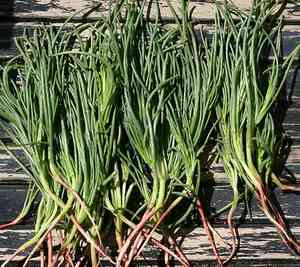
Saltwort, in the genus *Salsola*, typically consists of subshrubs, shrubs, and occasionally small trees or annuals. The leaves are generally alternate, though sometimes opposite, and are simple and entire. The flowers are bisexual, featuring five tepals and five stamens, with the pistil culminating in two stigmata. The fruit is spherical, containing a spiral embryo but lacking perisperm.
The genus comprises around 24-25 species. Geographically, Saltwort species are primarily found in central and southwestern Asia, North Africa, and the Mediterranean region, adapting well to saline and arid environments.
In This Article
Attributes of Saltwort (Salsola)
Lifespan
Annual
Plant Height
0.3 to 1.2 meters (1 to 4 feet)
Spread
0.3 to 1 meters (1 to 3 feet)
Leaf Color
Green, sometimes with a tinge of red or purple
Flower Size
0.1 to 0.3 centimeters (0.04 to 0.12 inches)
Flower Color
Greenish, sometimes turning reddish when mature
Images of Saltwort (Salsola)
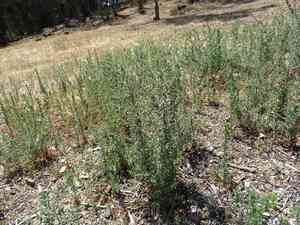
Quickly Identify Saltwort (Salsola)
1
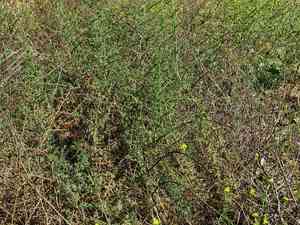
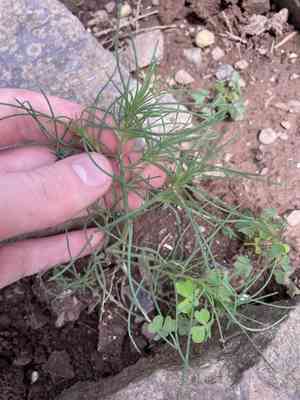
Salsola can be identified by its fleshy, succulent leaves which are often narrow and cylindrical. The plant typically has a thorny or spiny appearance and can grow into a dense, bush-like formation. The flowers are small, greenish, and inconspicuous.
Scientific Classification of Saltwort (Salsola)
Phylum
Tracheophyta
Class
Magnoliopsida
Order
Caryophyllales
Family
Amaranthaceae
Genus
Salsola
Planting and Growing of Saltwort (Salsola)
Care Difficulty
Moderate
Watering Schedule
Every 2 days
Sunlight Requirements
Full sun
Sunshine Duration
6-8 hours
Ideal Temperature
60-75℉
Soil Type
Potting Mix, Peat Mix
Soil pH
6-8.5
Fertilizer Type
Balanced
Pruning Season
Spring, Summer
Pruning Area
Leaves, Branches
Pruning Frequency
2 times a year
Repotting Season
Spring
Pot Type
Plastic, Ceramic
 How to Water Saltwort (Salsola)?
Water Salsola with about 250 ml per session to ensure the soil is evenly moist without waterlogging. The key is to soak the soil well, allowing little runoff, so the roots can absorb the needed moisture.
What are the symptoms of an underwatered Saltwort (Salsola)?
›
What should I do if my Saltwort (Salsola) is not getting enough water?
›
What are the symptoms of an overwatered Saltwort (Salsola)?
›
How to save an overwatered Saltwort (Salsola)?
›
 What Are the Sunlight Requirements for Saltwort (Salsola)?
Salsola thrives best in environments that offer full sun to partial sun, ideally covering a span of 4 to 8 hours of light daily. This range maximizes its growth potential, supporting both foliage strength and flower production, attributes key to its aesthetic appeal and survival.
What type of light does Salsola prefer?
›
How can you ensure Salsola gets ideal light?
›
What benefits does ideal light have for Salsola?
›
 What Is the Ideal Temperature Range for Saltwort (Salsola)?
The ideal temperature range for growing Salsola species is between 60 and 75 degrees Fahrenheit. This temperature range provides optimal conditions for photosynthesis and metabolic processes, ensuring healthy and robust plant growth.
 What Soil is Best for Saltwort (Salsola)?
Salsola thrives in sandy soils that ensure excellent drainage, preventing root rot and encouraging strong root development. Adequate mineral content in the soil supports Salsola's robust growth, supplying essential nutrients that bolster the plant's resilience. Maintaining a soil pH between 6.0 and 8.5 ensures optimal nutrient uptake, maximizing the plant's health and growth potential.
 How to Fertilize Saltwort (Salsola)?
For Salsola, the fertilizer amount should be moderate due to its adaptability to nutrient-poor environments. Typically, use half the amount recommended for most houseplants. Over-fertilization can lead to poor growth and salt buildup, which can harm the plant. Use approximately a quarter to a half teaspoon of balanced liquid fertilizer per gallon of water every month.
 How to Prune Saltwort (Salsola)?
Begin by removing any dead or diseased branches using sharp, sanitized shears. Trim back overgrown sections to help maintain the plant’s shape and encourage fuller, bushier growth. Aim to cut just above a leaf node for optimal results. To shape Salsola, trim the top and sides evenly to form either a conical or round shape, depending on the aesthetic desired. Regularly check the plant's symmetry as you prune, adjusting your cuts to ensure a uniform appearance.
 How to Propagate Saltwort (Salsola) plant?
1
Collect seeds from a mature Salsola plant in late autumn. It is important to dry the seeds properly in a cool, dry place before storage to prevent mold and other pathogens from affecting the seeds.
2
Select healthy, disease-free branches and trim them into 4-6 inch cuttings. Remove any leaves from the lower third to half of the cutting to reduce moisture loss and encourage root development.
3
Sow the seeds in a well-draining seed-starting mix. Lightly cover the seeds with soil, and maintain a consistent level of moisture. Place the seed tray in a warm, sunny location, only lightly covering seeds with soil.
 How to Repot Saltwort (Salsola) plant?
1
You'll know it's time to repot Salsola when roots start emerging from the drainage holes or the plant visibly slows down its growth. Spring, as it warms up, provides the ideal conditions for Salsola to readjust and grow anew. Avoid waiting until the plant becomes rootbound, which can stress it and make repotting more challenging.
2
Opt for a pot that is just one size larger than the current one to prevent excessive moisture retention. Choose a container with plenty of drainage holes to help avoid waterlogged conditions, which are not favorable for Salsola. The material can be terracotta or other breathable materials that help regulate moisture content. This encourages root growth and prevents root rot.
3
Select a sandy and well-draining soil mix that's suitable for drought-tolerant plants. This prevents water from accumulating at the roots, reducing the risk of root rot. A mix incorporating some gravel or perlite can improve aeration and drainage. This type of soil mimics its natural habitat, ensuring the plant's roots receive the necessary air and nutrients to thrive.
Toxicity
Ingestion of large quantities
WARNING
The judgment on toxicity and danger is for reference only. We DO NOT GUARANTEE any accuracy of such judgment. Therefore, you SHALL NOT rely on such judgment. It is IMPORTANT TO SEEK PROFESSIONAL ADVICE in advance when necessary.

