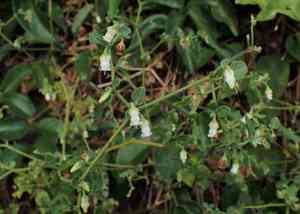
Lily Of The Valley Vine (Salpichroa origanifolia)
Also known as: Cock's-Eggs
Lily of the Valley Vine (Salpichroa origanifolia) is a perennial creeper from South America, part of the nightshade family. Though commonly cultivated for ornamental purposes, it can become an invasive weed due to its rapid growth and widespread shallow root system, which can overwhelm other plants and make removal challenging.
In This Article
Attributes of Lily Of The Valley Vine
Lifespan
Perennial
Plant Type
Herb, Vine
Plant Height
1.5 m
Spread
Not commonly characterized by a crown diameter
Leaf Color
Light green
Flower Size
1 cm to 1.5 cm
Flower Color
White
Images of Lily Of The Valley Vine
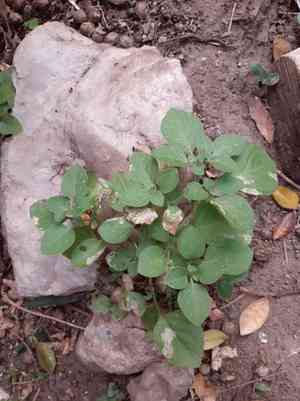
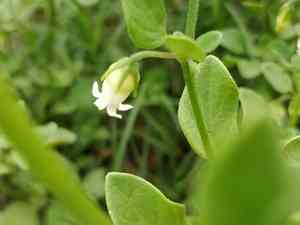
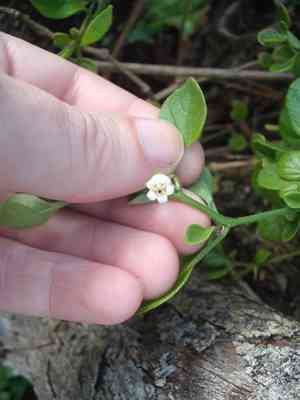
Quickly Identify Lily Of The Valley Vine
1
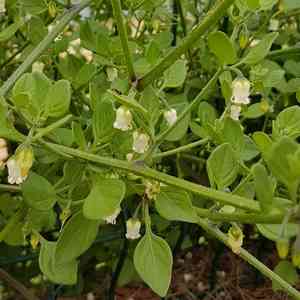
To identify Salpichroa origanifolia, look for its small, white, bell-shaped flowers and shiny, egg-shaped berries. The leaves are light green and have a somewhat oval shape.
Scientific Classification of Lily Of The Valley Vine
Phylum
Vascular plants
Class
Dicotyledons
Order
Solanales
Family
Nightshade
Genus
Salpichroa
Species
Lily Of The Valley Vine
Planting and Growing of Lily Of The Valley Vine
Care Difficulty
Easy
Watering Schedule
Every 2 days
Sunlight Requirements
Partial sun
Sunshine Duration
6-8 hours
Ideal Temperature
60-75℉
Soil Type
Potting Mix, Peat Mix
Soil pH
6.5-7.5
Fertilizer Type
Balanced
Pruning Season
Spring, Summer
Pruning Area
Branches, Leaves
Pruning Frequency
2 times a year
Repotting Season
Spring
Pot Type
Plastic, Ceramic
 How to Water Lily Of The Valley Vine?
Salpichroa origanifolia prefers moderate watering. Ensure the soil is consistently moist but not waterlogged. Each watering session should deliver about 500 ml of water, enough to allow water to percolate throughout the soil, ensuring the roots gain ample moisture without sitting in standing water.
What are the symptoms of an underwatered Lily Of The Valley Vine?
›
What should I do if my Lily Of The Valley Vine is not getting enough water?
›
What are the symptoms of an overwatered Lily Of The Valley Vine?
›
How to save an overwatered Lily Of The Valley Vine?
›
 What Are the Sunlight Requirements for Lily Of The Valley Vine?
Partial sun, receiving 4 to 6 hours of light, is ideal for Salpichroa origanifolia. This balance promotes healthy growth and encourages flowering, enhancing the plant's ornamental appeal.
How much light does Salpichroa origanifolia need daily?
›
What solutions are available to achieve ideal light conditions?
›
What are the benefits of achieving ideal lighting conditions?
›
 What Is the Ideal Temperature Range for Lily Of The Valley Vine?
Salpichroa origanifolia thrives in temperatures ranging from 60°F to 75°F. Maintaining a consistent temperature within this range ensures optimal growth and flowering, as this plant prefers warmer conditions similar to its native South American habitat.
 What Soil is Best for Lily Of The Valley Vine?
Salpichroa origanifolia thrives in soils with good drainage. This species, while robust, does not respond well to waterlogged conditions, which can lead to root rot. Ensuring that water flows freely through sandy or loamy soils prevents stagnant moisture, vital for healthy growth. This plant prefers soil of moderate fertility. An excess of nutrients can lead to lush foliage but poor flowering, so balanced nutrition is key. A soil enriched with organic matter provides an ideal environment for steady and sustained growth. The roots of Salpichroa origanifolia require ample aeration, which is provided by loose and crumbly soil textures like sandy loam. Good aeration promotes oxygen availability to the roots, supporting vigorous root growth and overall plant health.
 How to Fertilize Lily Of The Valley Vine?
For Salpichroa origanifolia, applying the right amount of fertilizer is essential. Generally, use a balanced liquid fertilizer diluted to half strength, about 10 ml per liter of water. Ensure that the fertilizer's nitrogen, phosphorus, and potassium (N-P-K) ratio is roughly equal to promote even growth. Over-fertilizing can lead to nutrient burn, so adhere strictly to recommended amounts.
 How to Prune Lily Of The Valley Vine?
Begin by identifying any overgrown or unruly branches. These can be trimmed back to maintain the desired shape and encourage bushier growth. Use sharp pruning shears to make clean cuts just above a leaf node. Look for any dead or damaged leaves and stems. Removing these ensures that the plant's energy is focused on healthy growth. Cut back to healthy tissue to facilitate healing. Prune to shape the plant according to your aesthetic preferences. Consider the natural growth habit of Salpichroa origanifolia to guide your shaping, making sure to maintain airflow and sunlight penetration through the plant.
 How to Propagate Lily Of The Valley Vine plant?
1
Begin by selecting healthy seeds. Soak them overnight in water to help break dormancy and prompt germination. Use a well-draining seed-starting mix and plant seeds at a shallow depth.
2
Cuttings should be taken from healthy, non-flowering stems. Cut 4-6 inch sections below a node and remove the lower leaves. Dip the cut end in rooting hormone to enhance root development.
3
Insert the treated cuttings into moist potting soil or a perlite and peat moss mixture. Maintain high humidity using a plastic cover and keep the soil consistently moist but not waterlogged.
 How to Repot Lily Of The Valley Vine plant?
1
You should consider repotting Salpichroa origanifolia when you notice that its roots have started to grow out of the drainage holes, or if the plant seems to be growing slower than usual. These signs indicate that the plant has outgrown its current container and needs more room or refreshed soil.
2
Choose a pot that is one size larger than the current pot for your Salpichroa origanifolia. Ensure it has adequate drainage holes, which prevent waterlogging and promote healthy root growth. A pot that's too big can retain excessive moisture, leading to root rot.
3
Opt for a well-draining potting mix tailored for Salpichroa origanifolia's needs. This mixture allows appropriate aeration and moisture retention, preventing root rot and ensuring the plant receives necessary nutrients. Avoid heavy soils that retain excessive water.
Toxicity
Ingestion
WARNING
The judgment on toxicity and danger is for reference only. We DO NOT GUARANTEE any accuracy of such judgment. Therefore, you SHALL NOT rely on such judgment. It is IMPORTANT TO SEEK PROFESSIONAL ADVICE in advance when necessary.


