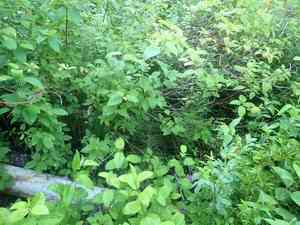
Sitka willow (Salix sitchensis)
Also known as: Velvet willow
The Sitka willow, native to the northwestern U.S. and Alaska, typically grows in wetlands and can take the form of either a slender tree or a bush.
In This Article
Attributes of Sitka willow
Lifespan
Perennial
Plant Type
Tree, Shrub
Plant Height
8 m
Spread
8 m to 9 m
Leaf Color
Green (upper side), Silvery (underside)
Flower Size
2.5 cm to 5 cm
Flower Color
Yellow Green
Images of Sitka willow
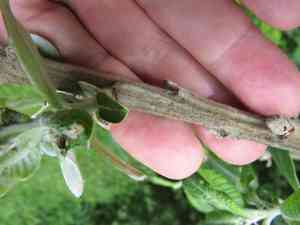
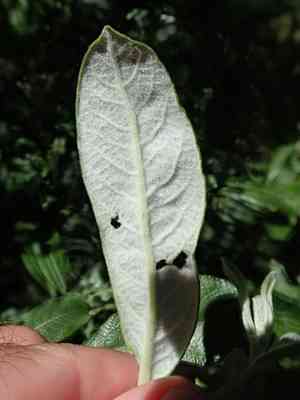
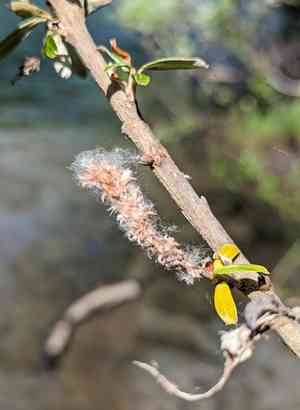
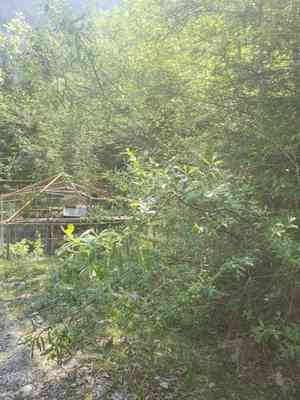
Quickly Identify Sitka willow
1
Salix sitchensis can be identified by its long, slender leaves which are about 5-15 cm in length and 0.5-1.5 cm in width. The leaves are green on the top and silvery underneath. Its stems are flexible and reddish-brown to green in color. In the spring, it produces catkins, which are small, cylindrical flower clusters.
Scientific Classification of Sitka willow
Phylum
Vascular plants
Class
Dicotyledons
Order
Malpighiales
Family
Willow
Genus
Willows
Species
Sitka willow
Planting and Growing of Sitka willow
Care Difficulty
Easy
Watering Schedule
Every 4 days
Sunlight Requirements
Full sun
Sunshine Duration
6-10 hours
Ideal Temperature
50-68℉
Soil Type
Potting Mix, Peat Mix
Soil pH
6.5-7.5
Fertilizer Type
Balanced
Pruning Season
Spring, Summer
Pruning Area
Branches, Leaves
Pruning Frequency
2 times a year
Repotting Season
Spring
Pot Type
Plastic, Ceramic
 How to Water Sitka willow?
Salix sitchensis, commonly known as the Sitka willow, thrives in environments where it can receive consistent moisture. This species appreciates about 500 milliliters of water per session. The goal is to keep the soil moist but not waterlogged, mimicking its natural habitat near waterways. Check the top few inches of soil and ensure they are slightly moist to the touch before the next watering session.
What are the symptoms of an underwatered Sitka willow?
›
What should I do if my Sitka willow is not getting enough water?
›
What are the symptoms of an overwatered Sitka willow?
›
How to save an overwatered Sitka willow?
›
 What Are the Sunlight Requirements for Sitka willow?
Salix sitchensis benefits from a light range of full to partial sun. This light range ensures adequate photosynthesis while preventing excessive desiccation and overheating, crucial for healthy growth and resilience.
More About Sunlight Requirements Techniques→
What is the optimal lighting for Salix sitchensis?
›
How can you ensure Salix sitchensis receives ideal lighting?
›
What are the benefits of ideal lighting for Salix sitchensis?
›
 What Is the Ideal Temperature Range for Sitka willow?
The ideal temperature range for Salix sitchensis, commonly known as Sitka willow, is between 50°F and 68°F. This range provides optimal conditions for the plant’s growth and development, allowing it to thrive without stress from extreme temperatures. Maintaining this temperature range helps ensure healthy foliage and vigorous growth.
 What Soil is Best for Sitka willow?
Salix sitchensis thrives in soil that retains moisture well. It prefers environments where the soil remains damp but not waterlogged. This helps the plant to maintain its health, support proper nutrient uptake, and encourage vigorous growth. A nutrient-rich soil is essential for the optimal growth of Salix sitchensis. It requires a good balance of organic matter and minerals, which enhances root development and supports thriving foliage. Regularly enriched soil leads to a healthier, more resilient plant. While Salix sitchensis demands moisture, it also needs soil with good drainage properties to prevent root rot. This balance allows for adequate water absorption without the risk of overly soggy roots that could damage the plant.
 How to Fertilize Sitka willow?
For Salix sitchensis, a modest approach is recommended. Liquid fertilizers should be diluted to half their strength, about 1 tablespoon per gallon of water, to prevent root burn. This amount adequately nourishes the plant without overwhelming it, ensuring strong growth and healthy foliage.
 How to Prune Sitka willow?
Prune your Sitka Willow in spring before new growth starts. Alternatively, perform light pruning in the summer or autumn to remove dead wood and promote aesthetic beauty. Avoid heavy pruning in winter as the plant is dormant. Ensure your pruning tools are sharp and clean to make precise cuts and reduce the risk of disease transmission. Disinfect tools with rubbing alcohol after each use to maintain a healthy plant environment and the well-being of your willow.
More About Pruning Techniques→
 How to Propagate Sitka willow plant?
1
Collect seeds from matured catkins at the end of spring or cut healthy, non-flowering shoots with at least three nodes during early spring to prepare for propagation.
2
Use a well-draining potting mix composed of coarse sand and peat moss to enhance aeration. This combination provides an ideal environment for root development of cuttings or seed germination.
3
For seed propagation, sow seeds on the surface of the moist growing medium. For cuttings, insert them at an angle, ensuring at least two nodes are buried in the medium to encourage rooting.
 How to Repot Sitka willow plant?
1
Salix sitchensis shows signs of needing repotting when its roots start crowding the container, boosting out of drainage holes or when growth appears stunted. These indicators suggest the plant needs more space to thrive and absorb nutrients adequately. Spring and autumn offer ideal periods for repotting, as the plant is actively growing but not under the intense summer heat.
2
Choosing the right pot involves selecting one that is 2-3 inches larger in diameter than the current one. Opt for pots with ample drainage holes to prevent waterlogging and promote healthy root development. Clay pots are excellent as they are breathable, facilitating better moisture evaporation and aeration, which benefits the willow's root health.
3
An optimal soil mixture for Salix sitchensis should retain some moisture yet offer excellent drainage, preventing root rot. A combination of peat, sand, and perlite is ideal, as it mimics the plant's natural habitat along riverbanks, ensuring adequate nutrition and fostering vigorous growth and robust root systems.



