
Purple willow (Salix purpurea)
Also known as: Purple osier willow, Blue artic willow
The purple willow (Salix purpurea) is indigenous to regions of Europe and western Asia. Initially, its young shoots exhibit a purplish hue, which gradually transitions to light gray or grayish-brown as they age. The flexible twigs and stems of this willow are particularly valued for crafting items like baskets and furniture. Additionally, its robust root system is effective in preventing bank erosion.
In This Article
Attributes of Purple willow
Lifespan
Perennial
Plant Type
Shrub
Plant Height
8 m
Spread
4 m
Leaf Color
Green Blue
Flower Size
2.5 cm to 3 cm
Flower Color
Green Yellow Silver
Images of Purple willow


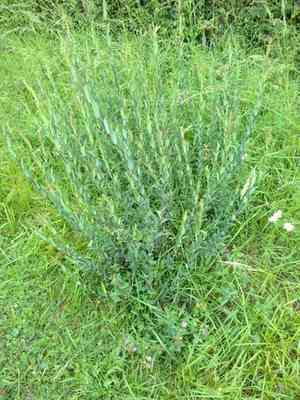

Quickly Identify Purple willow
1
Slender, purple-tinged twigs distinguish the plant's appearance.
2
Lance-shaped leaves vary from 2 to 4 inches (5 to 10 cm) in length.
3
Silky catkins precede the leafing period, adding a unique touch.
4
Grows upright to a height of 4 to 8 feet (1.2 to 2.4 meters).
5
Foliage exhibits a distinctive blue-green color contrasting with colorful twigs.
Scientific Classification of Purple willow
Phylum
Vascular plants
Class
Dicotyledons
Order
Malpighiales
Family
Willow
Genus
Willows
Species
Purple willow
Planting and Growing of Purple willow
Care Difficulty
Easy
Watering Schedule
Every 8 days
Sunlight Requirements
Full sun
Sunshine Duration
6-10 hours
Ideal Temperature
60-75℉
Soil Type
Potting Mix, Peat Mix
Soil pH
6.5-7.5
Fertilizer Type
Balanced
Pruning Season
Spring, Summer
Pruning Area
Branches, Leaves
Pruning Frequency
2 times a year
Repotting Season
Spring
Pot Type
Plastic, Ceramic
 How to Water Purple willow?
Water Salix purpurea generously, ensuring the soil is consistently moist but not waterlogged. The ideal amount is approximately 750 milliliters per session to soak the soil thoroughly, allowing excess drainage to prevent root rot.
What are the symptoms of an underwatered Purple willow?
›
What should I do if my Purple willow is not getting enough water?
›
What are the symptoms of an overwatered Purple willow?
›
How to save an overwatered Purple willow?
›
 What Are the Sunlight Requirements for Purple willow?
Ideal light range includes full sun to partial sun, providing 6-8 hours daily exposure, which fosters dense foliage and strong growth patterns.
More About Sunlight Requirements Techniques→
What is the ideal location for Salix purpurea?
›
How can you ensure optimal light exposure for Salix purpurea?
›
What benefits does ideal lighting bring to Salix purpurea?
›
 What Is the Ideal Temperature Range for Purple willow?
The ideal temperature range of 60-75°F for Salix purpurea allows for optimal growth and metabolic functioning. This range provides enough warmth for photosynthesis without causing heat stress, ensuring that the plant can efficiently process nutrients and energy.
 What Soil is Best for Purple willow?
Salix purpurea thrives in well-draining soil as it prevents root rot and ensures the roots receive ample oxygen. This condition promotes healthy growth and enhances the plant's ability to absorb essential nutrients. The soil should have moderate moisture retention to keep the Salix purpurea hydrated, especially during dry periods. This property aids in maintaining tissue turgor pressure, resulting in flourishing foliage. A nutrient-rich environment is vital for Salix purpurea, as it supports vigorous growth and enhances disease resistance. Organic matter in the soil boosts microbial activity, which is beneficial for nutrient cycling.
More About Soil→
 How to Fertilize Purple willow?
For Salix purpurea, it is important to provide the right amount of fertilizer. A well-balanced approach is crucial. During active growth, apply a diluted liquid fertilizer at half strength every two weeks. For slow-release fertilizers, use about 50 grams per plant per application, ensuring the nutrients are released gradually to avoid root burn.
More About Fertilizing Techniques→
 How to Prune Purple willow?
Begin by removing any dead, diseased, or damaged branches. Use sharp pruning shears for clean cuts. For maintaining a desirable shape, trim back long shoots to a bud facing away from the plant's center. This encourages outward growth and a bushier appearance. Aim to create an open center to boost light and air penetration. To thin the canopy, selectively remove some branches at their base. It helps to open up the bush, improving light and airflow, which reduces the risk of fungal diseases. Thinning also emphasizes the natural shape of Salix purpurea and fosters new, vigorous shoots.
More About Pruning Techniques→
 How to Propagate Purple willow plant?
1
Choose healthy, vigorous stems from the parent Salix purpurea plant, preferably ones that are not flowering. These stems should be semi-hardwood for optimal propagation success.
2
Use pruning shears to cut sections of about 6-12 inches long from the selected stems. Remove leaves from the lower half to prevent rot when planted in soil.
3
Dip the cut end of the cutting into rooting hormone. Plant the cuttings in pots filled with a well-draining potting mix, and ensure they are upright and stable.
 How to Repot Purple willow plant?
1
Repotting Salix purpurea should be considered when roots start emerging from the drainage holes of the current pot, or if you notice a decline in growth rate. Another signal is if the plant's roots are tightly circled inside the pot. The best time to repot is during its active growing season, usually early spring or summer, when the plant can recover quickly.
2
Select a pot that is one to two sizes larger than the current one. Ensure it has adequate drainage holes to prevent waterlogging, which Salix purpurea despises. Terracotta pots are a good choice due to their breathability, which can help in maintaining the soil aeration.
3
Opt for a well-draining, loamy soil mix. This type of soil retains moisture without becoming too soggy, providing essential nutrients and promoting healthy root development. A good soil mix encourages aeration, crucial for the roots of Salix purpurea.



