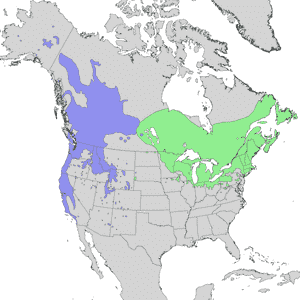
Shining willow (Salix lucida)
Also known as: Glossy willow, Pacific willow
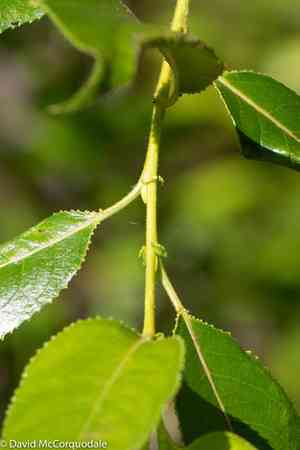
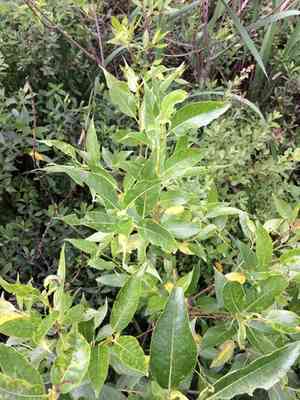
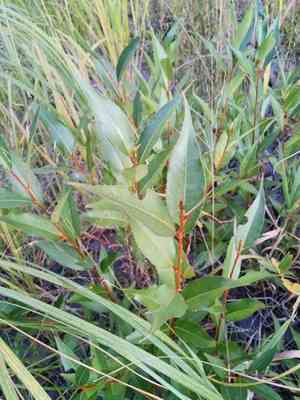
The shining willow (Salix lucida) is characterized by its glossy green leaves on the top surface, with a slightly hairy underside. This deciduous shrub or small tree typically reaches heights of 4 to 11 meters. It thrives in the wetlands and riverbanks of northern and western North America. Additionally, it serves as a host plant for caterpillars of several butterfly species, including the Acadian hairstreak.
In This Article
Attributes of Shining willow
Lifespan
Perennial
Plant Type
Tree, Shrub
Plant Height
91 cm to 6 m
Spread
3.5 m to 6 m
Leaf Color
Glossy green
Flower Size
2.5 cm to 5 cm
Flower Color
White Yellow Green
Images of Shining willow

Quickly Identify Shining willow
1
Look for glossy, lance-shaped leaves and long, slender branches. The leaves are typically glossy and the twigs are smooth and somewhat flexible.
Scientific Classification of Shining willow
Phylum
Vascular plants
Class
Dicotyledons
Order
Malpighiales
Family
Willow
Genus
Willows
Species
Shining willow
Planting and Growing of Shining willow
Care Difficulty
Easy
Watering Schedule
Every 8 days
Sunlight Requirements
Full sun
Sunshine Duration
4-6 hours
Ideal Temperature
60-75℉
Soil Type
Potting Mix, Peat Mix
Soil pH
6.5-7.5
Fertilizer Type
Balanced
Pruning Season
Spring, Summer
Pruning Area
Branches, Leaves
Pruning Frequency
2 times a year
Repotting Season
Spring
Pot Type
Plastic, Ceramic
 How to Water Shining willow?
For Salix lucida, it's essential to ensure the soil is consistently moist. This means you'll need to water until the top few inches of soil are thoroughly wet, approximately 500ml per session depending on the size of the plant and pot. This amount ensures that your willow receives enough moisture to thrive without becoming waterlogged.
What are the symptoms of an underwatered Shining willow?
›
What should I do if my Shining willow is not getting enough water?
›
What are the symptoms of an overwatered Shining willow?
›
How to save an overwatered Shining willow?
›
 What Are the Sunlight Requirements for Shining willow?
Salix lucida thrives ideally in full to partial sunlight, which supports its lush growth and resilience against environmental stresses. Optimal sunlight promotes efficient photosynthesis, encouraging growth vigor and health, enabling the plant to endure varying climatic conditions.
More About Sunlight Requirements Techniques→
What is the best lighting condition for Salix lucida?
›
How to achieve ideal lighting conditions for Salix lucida?
›
What benefits does Salix lucida gain from ideal lighting?
›
 What Is the Ideal Temperature Range for Shining willow?
Salix lucida thrives best within a temperature range from 60°F to 75°F. This range replicates the mild conditions this species encounters in its natural habitats. Within these temperatures, the plant can execute its metabolic processes effectively, supporting robust growth and health. Ensuring daily maintenance of this environment will facilitate healthy leaf development and resistance against potential stressors.
 What Soil is Best for Shining willow?
Salix lucida thrives in soils that can retain moisture but with good drainage. This balance prevents root rot and ensures the plant gets enough water without drowning. It's essential for optimal growth and vibrant foliage. The plant benefits from loamy soil enriched with organic matter. Nutrient-rich soil promotes healthy growth and strong root development, which is crucial for its overall resilience and vitality. Loamy and sandy loam soils provide adequate aeration, promoting healthy root systems. Good aeration allows for essential gas exchange and prevents diseases related to poor oxygen availability in the root zone.
 How to Fertilize Shining willow?
For Salix lucida, the fertilizer amount should be moderate, ensuring the soil remains nutrient-rich without overwhelming the plant. Use approximately 50-75 grams of balanced fertilizer per square meter during the active growth period.
 How to Prune Shining willow?
Identify and remove any dead, damaged, or diseased branches first. Cutting these back to the point of healthy growth will prevent further issues and keep your plant vigorous. After removing dead wood, focus on shaping. Cut back overgrown or tangled branches to maintain a pleasant shape and increase sunlight and air circulation within the plant. If your Salix lucida has outgrown its space, reduce its height and spread by cutting branches back to a main stem or just above a growth node. Be cautious not to remove more than one-third of the plant at any one time to avoid shock.
More About Pruning Techniques→
 How to Propagate Shining willow plant?
1
Harvest seeds from mature capsules in late autumn. Clean and dry the seeds before storage. Keep in a cool and dry place until ready for sowing in early spring.
2
Choose healthy branches and cut 6 to 8-inch sections with at least three to four nodes. Remove the leaves from the lower half of the cutting to prevent rot.
3
Insert the cut or seed into a well-draining soil mix. Water thoroughly and maintain consistent moisture without waterlogging, to encourage root development.
 How to Repot Shining willow plant?
1
Repotting of Salix lucida is ideally done when you notice roots crowding or emerging through the drainage holes. Another good indicator is a slowdown in growth, signaling that the plant needs more space to thrive. Aim to repot in spring or autumn for best results.
2
Select a pot that is one size larger with sufficient drainage holes. This ensures that water can flow freely, preventing root rot and encouraging healthier, unhindered growth. A slightly larger pot provides more soil volume, which maintains moisture longer while providing adequate root expansion space.
3
Opt for soil that is both moist and well-draining to mimic its natural environment. A mix containing sand, peat, and loam helps prevent waterlogging while offering necessary nutrients for optimal growth. Well-drained soil minimizes the risk of root rot and supports nutrient uptake.



