
White willow (Salix alba)
Also known as: Water willow, Cricket-bat willow, Sallow tree, Swallow Tail Willow
White willow (Salix alba) has been valued since ancient times, with its use dating back to the periods of Hippocrates and Pliny the Elder. The wood is known for being lightweight yet strong, making it ideal for crafting items like baskets and cricket bats. Additionally, the bark contains tannins, which have been historically utilized in the leather tanning process.
In This Article
Attributes of White willow
Lifespan
Perennial
Plant Type
Tree
Plant Height
10 m to 30 m
Spread
15 m to 21 m
Leaf Color
Green Gray Yellow
Flower Size
3 cm to 5 cm
Flower Color
Yellow Green White
Images of White willow
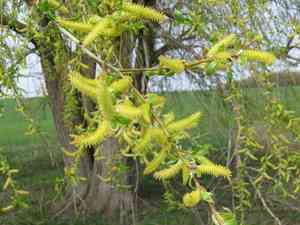
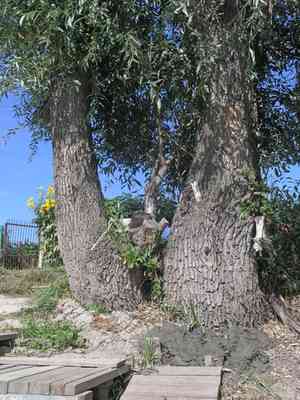

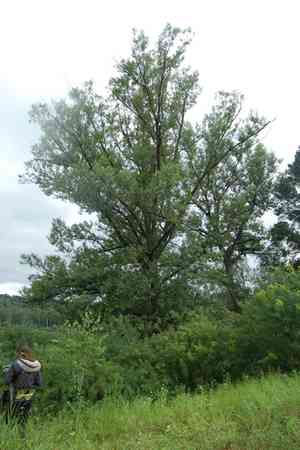
Quickly Identify White willow
1
Weeping or rounded shape, 50-70 feet (15-21 meters) tall
2
Distinct yellowish-brown bark with deep furrows and ridges
3
Lanceolate leaves with white silky underside, serrate edges
4
Male catkins up to 2 inches (5 cm) with yellow flowers
5
Female catkins with greenish blossoms, dioecious flowering
Scientific Classification of White willow
Phylum
Vascular plants
Class
Dicotyledons
Order
Malpighiales
Family
Willow
Genus
Willows
Species
White willow
Planting and Growing of White willow
Care Difficulty
Easy
Watering Schedule
Every 4 days
Sunlight Requirements
Full sun
Sunshine Duration
6-8 hours
Ideal Temperature
60-75℉
Soil Type
Potting Mix, Peat Mix
Soil pH
6.5-8
Fertilizer Type
Balanced
Pruning Season
Spring, Summer
Pruning Area
Branches, Leaves
Pruning Frequency
2 times a year
Repotting Season
Spring
Pot Type
Plastic, Terracotta
 How to Water White willow?
Salix alba, commonly known as white willow, thrives best when its soil is kept consistently moist. Aim to water each plant with approximately 500 ml, ensuring the soil feels damp but not waterlogged. This approach mimics its natural habitat near water bodies and helps maintain its lush foliage.
More About Watering Techniques→
What are the symptoms of an underwatered White willow?
›
What should I do if my White willow is not getting enough water?
›
What are the symptoms of an overwatered White willow?
›
How to save an overwatered White willow?
›
 What Are the Sunlight Requirements for White willow?
The ideal light condition for Salix alba is full sun exposure, supplemented by partial sun where necessary. Receiving ample sunlight enhances the plant's photosynthesis efficiency, promoting vibrant growth and robust health.
More About Sunlight Requirements Techniques→
What is the best light condition for Salix alba?
›
How can you provide optimal lighting for Salix alba?
›
What benefits does Salix alba gain from optimal light exposure?
›
 What Is the Ideal Temperature Range for White willow?
Salix alba thrives in a mild temperature range of 60°F to 75°F. During this range, the tree showcases optimal growth, producing healthy leaves and stems. This range mimics the natural habitat conditions that Salix alba prefers, ensuring that its physiological processes function smoothly.
 What Soil is Best for White willow?
Salix alba thrives in nutrient-rich soil, which provides essential minerals and supports healthy growth. High organic matter enhances microbial activity, aiding nutrient availability and plant health. Moisture retention is crucial as Salix alba requires consistently moist conditions. Soils that retain water well ensure the plant remains hydrated, reducing stress and promoting vigorous growth. Good drainage is essential to prevent waterlogging, which can lead to root rot. Well-draining soils balance moisture needs while protecting Salix alba from excessive standing water.
More About Soil→
 How to Fertilize White willow?
For Salix alba, it is recommended to apply a balanced fertilizer at a rate of approximately 1 pound per 100 square feet of soil. This helps ensure the tree receives adequate nutrients without risking over-fertilization.
More About Fertilizing Techniques→
 How to Prune White willow?
Begin by examining the tree to identify dead or damaged branches. Use hand pruners for small branches and a pruning saw for thicker limbs. Make cuts just above a healthy bud or branch junction to encourage new growth. Aim to create a balanced shape and remove any suckers that sprout from the base.
More About Pruning Techniques→
 How to Propagate White willow plant?
1
Choose a healthy branch of around one year old from the parent plant in early spring. Using sterilized pruning shears, cut the stem at an angle to ensure maximum surface area for rooting.
2
Dip the cut end of the stem into the rooting hormone powder. This helps in encouraging faster root development by providing essential hormones needed for root growth.
3
Insert the treated stem cutting into a pot filled with a well-draining compost mixture. Ensure the soil remains moist but not waterlogged to foster root development.
 How to Repot White willow plant?
1
Salix alba, commonly known as the white willow, should be repotted when you notice the roots beginning to circle around the pot or emerge from drainage holes. This indicates the plant is root-bound and requires more space to grow. Additionally, if the soil is not retaining moisture, it might be time for fresh soil and a larger pot.
2
When selecting a pot for Salix alba, aim for one that is 2 to 4 inches larger in diameter than the current one. This provides adequate space for root expansion. Ensure the pot has drainage holes to prevent water logging, which can cause root rot—a common issue in willows.
3
Opt for a rich, well-draining soil mix when repotting Salix alba. A mixture of loam, sand, and a bit of organic matter, like compost, works well. This combination promotes good drainage and provides essential nutrients, mimicking its natural habitat, allowing the willow to thrive.



