Salacia (Salacia) (Salacia)
Also known as: none
Lianas are naturally occurring woody climbers in tropical regions.
In This Article
Attributes of Salacia (Salacia)
Lifespan
Perennial
Plant Height
2-10 meters
Spread
1-3 meters
Leaf Color
Green
Flower Size
0.5-1 cm
Flower Color
Greenish, Yellow, White
Images of Salacia (Salacia)
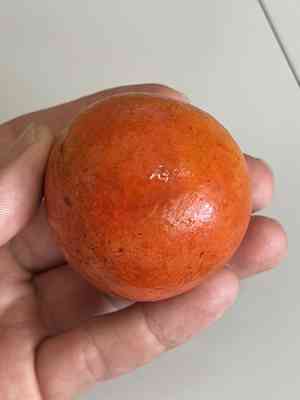
Quickly Identify Salacia (Salacia)
1
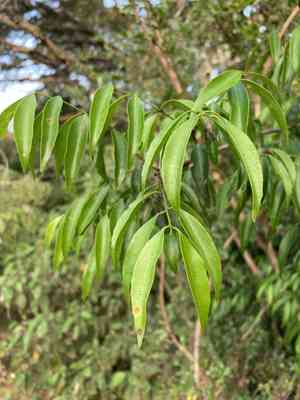
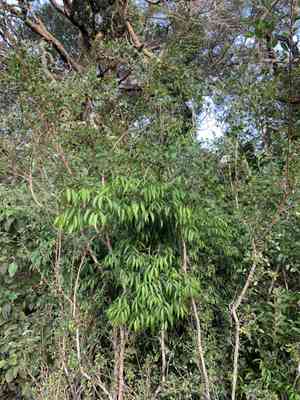
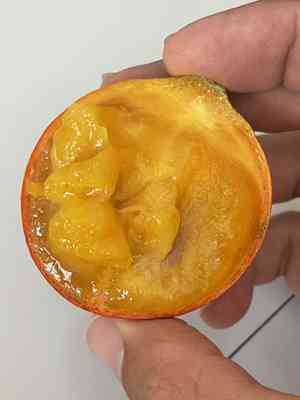
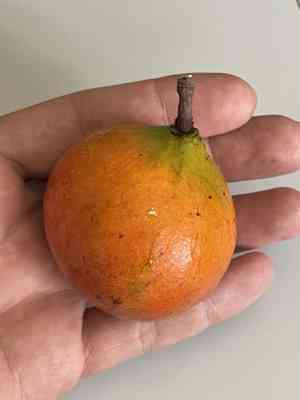
To identify a Salacia plant, look for its characteristic woody stems, opposite leaves that are usually simple and elliptical, and small, inconspicuous flowers that can be either greenish, yellow, or white.
Scientific Classification of Salacia (Salacia)
Phylum
Magnoliophyta
Class
Magnoliopsida
Order
Celastrales
Family
Celastraceae
Genus
Salacia
Planting and Growing of Salacia (Salacia)
Care Difficulty
Moderate
Watering Schedule
Every 2 days
Sunlight Requirements
Partial sun
Sunshine Duration
6-10 hours
Ideal Temperature
70-85℉
Soil Type
Potting Mix, Peat Mix
Soil pH
5.5-7.5
Fertilizer Type
Balanced
Pruning Season
Spring, Summer
Pruning Area
Branches, Leaves
Pruning Frequency
2 times a year
Repotting Season
Spring
Pot Type
Plastic, Ceramic
 How to Water Salacia (Salacia)?
Salacia prefers a moderate amount of water. Water until the soil is evenly moist, but not soaking wet. The roots should never sit in water, as this can lead to root rot. Ensure the top inch of soil is dry to the touch before the next watering session.
What are the symptoms of an underwatered Salacia (Salacia)?
›
What should I do if my Salacia (Salacia) is not getting enough water?
›
What are the symptoms of an overwatered Salacia (Salacia)?
›
How to save an overwatered Salacia (Salacia)?
›
 What Are the Sunlight Requirements for Salacia (Salacia)?
Salacia thrives in partial to full sun conditions. Ideal lighting ensures robust growth, healthy foliage, and improved photosynthesis, allowing the plant to flourish and bloom effectively.
What is the best light condition?
›
How to optimize the lighting for Salacia?
›
What are the benefits of ideal lighting?
›
 What Is the Ideal Temperature Range for Salacia (Salacia)?
What is the ideal temperature range for Salacia? The ideal temperature range for species typically falls between 70°F to 85°F. This temperature range supports optimal growth and development, providing the warmth necessary for metabolic processes and photosynthesis. This range mimics the plant's natural tropical habitat.
 What Soil is Best for Salacia (Salacia)?
Salacia thrives in well-drained soil, which prevents waterlogging and root rot. This allows its roots to access oxygen easily and promotes healthy growth and development. Rich in organic matter, the soil provides essential nutrients and enhances soil structure. This fosters robust root growth, nutrient uptake, and overall plant vitality. Salacia requires soil that retains moisture while maintaining good drainage. This balance ensures that the plant receives consistent hydration without risking overwatering.
 How to Fertilize Salacia (Salacia)?
For Salacia, it is essential to provide balanced nutrition through fertilizers. When using liquid fertilizers, apply a diluted solution at half strength, ensuring thorough soil saturation but avoiding fertilizer runoff. For slow-release varieties, carefully measure and sprinkle evenly over the soil surface around the plant's perimeter.
 How to Prune Salacia (Salacia)?
Start by meticulously removing any dead or diseased branches. These can be identified by their brittle texture or discoloration. Removing them improves air circulation and prevents infection from spreading. After clearing unhealthy branches, focus on shaping and thinning out the plant. Trim away overlapping branches to maintain the plant's structure and facilitate sunlight penetration throughout the foliage. Finalize the pruning session with maintenance cuts. This involves trimming back overly long branches to maintain symmetry and balance, promoting an aesthetically pleasing and healthy plant appearance.
 How to Propagate Salacia (Salacia) plant?
1
Select a healthy stem from the mother plant and use sterilized shears to cut a 10-15 cm length. Remove the leaves from the bottom half to prevent rot.
2
Dip the cut end of each cutting into a rooting hormone powder. This step is crucial as it stimulates the development of new roots from the lower cut end.
3
Plant the prepared cuttings in a sterile potting mix, ensuring they are placed deep enough to stand upright. Water gently and cover with a plastic bag to retain moisture.
 How to Repot Salacia (Salacia) plant?
1
The best time to repot Salacia is when you notice roots emerging from the pot's drainage holes or the plant's growth becoming sluggish. These are clear signs that the roots need more room. Repot during spring or summer for optimal growth potential, as plants tend to be more resilient and can easily adjust to a new environment during these seasons.
2
The ideal pot for Salacia should be slightly larger than its current one, with at least one good drainage hole to prevent waterlogging. Choose a material that complements your growing environment—clay pots are breathable and great for humid spots, while plastic ones retain moisture better, perfect for drier conditions. A correctly sized pot supports healthy root development, promoting better overall plant health.
3
Select well-draining, sandy loam soil for repotting Salacia. This type of soil allows excess water to escape quickly, ensuring roots don't sit in a damp environment that could lead to rot. Incorporating organic matter like peat or coco coir enhances soil fertility and supports robust plant growth by retaining necessary nutrients.
Learn More About Salacia (Salacia) Diseases
Anthracnose
Bacterial Leaf Spot
Bacterial Soft Rot
Bacterial Wilt
Black Spot
Chemical Injury
Crown Gall
Cyst Nematode
Damping-off
Downy Mildew
Drought Stress
Fusarium Wilt
Gray Mold
Leaf Curl
Leaf Spot
Mosaic
Nutrient Deficiency
Nutrient Toxicity
Powdery Mildew
Root Rot
Root-knot Nematode
Rusts
Sooty Mold
Spider Mites
Temperature Stress
Thrips Damage
White Mold

