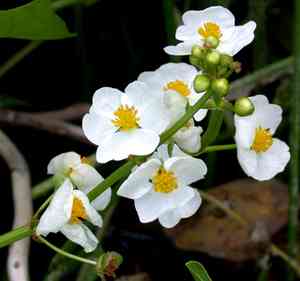
Arrowheads (Sagittaria) (Sagittaria)
Also known as: Duck potato, wapotato
The genus *Sagittaria*, commonly known as arrowheads, consists of creeping aquatic plants that are easy to maintain in freshwater aquariums. They adapt well to new environments and are often found in areas with slow-moving water. These plants are easily identified by their distinctive arrow-shaped leaves. While some species are popular as ornamental plants, others can be invasive in certain habitats.
In This Article
Attributes of Arrowheads (Sagittaria)
Lifespan
Perennial
Plant Height
30 to 90 cm
Spread
N/A
Leaf Color
Green
Flower Size
2 to 3 cm
Flower Color
White
Images of Arrowheads (Sagittaria)
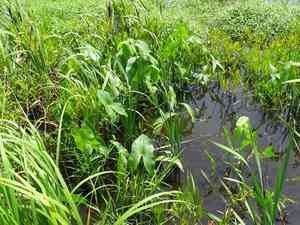
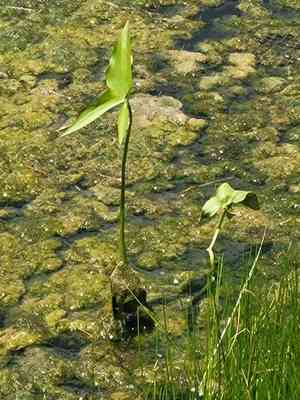
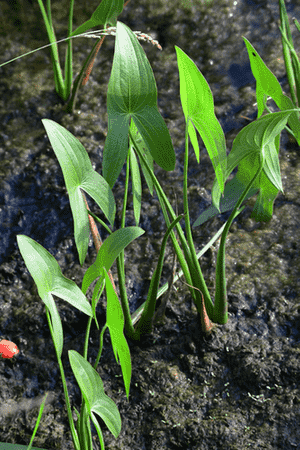
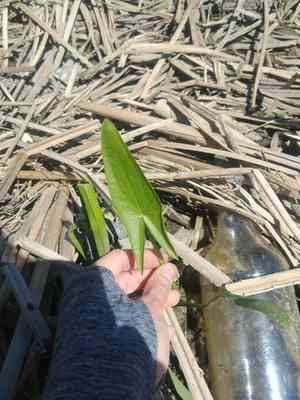
Quickly Identify Arrowheads (Sagittaria)
1
Identify Sagittaria by its distinct arrow-shaped leaves and white, three-petaled flowers. The submerged leaves are often long and ribbon-like, making it easy to distinguish from other aquatic plants.
Scientific Classification of Arrowheads (Sagittaria)
Phylum
Angiosperms
Class
Monocots
Order
Alismatales
Family
Alismataceae
Genus
Sagittaria
Planting and Growing of Arrowheads (Sagittaria)
Care Difficulty
Easy
Watering Schedule
Every 10 days
Sunlight Requirements
Full sun
Sunshine Duration
6-10 hours
Ideal Temperature
72-79℉
Soil Type
Potting Mix, Peat Mix
Soil pH
6.5-7.5
Fertilizer Type
Balanced
Pruning Season
Spring, Summer
Pruning Area
Branches, Leaves
Pruning Frequency
2 times a year
Repotting Season
Spring
Pot Type
Plastic, Ceramic
 How to Water Arrowheads (Sagittaria)?
The Sagittaria plant thrives when its soil is kept consistently moist, yet not waterlogged. Consider providing around 250 ml of water during each watering session. Avoid leaving the plant in standing water, as this can lead to root rot. The soil should be damp at least once a week to mimic its natural swampy habitat.
What are the symptoms of an underwatered Arrowheads (Sagittaria)?
›
What should I do if my Arrowheads (Sagittaria) is not getting enough water?
›
What are the symptoms of an overwatered Arrowheads (Sagittaria)?
›
How to save an overwatered Arrowheads (Sagittaria)?
›
 What Are the Sunlight Requirements for Arrowheads (Sagittaria)?
Sagittaria thrives when it receives full to partial sunlight daily. Proper lighting ensures that it maintains lush foliage and vigorous growth. Adequate sun exposure supports its structural integrity and colorful leaf display, enhancing both aesthetic and ecological value.
How much sunlight does Sagittaria ideally need?
›
How can you achieve these light conditions for Sagittaria?
›
What benefits does Sagittaria gain from ideal light exposure?
›
 What Is the Ideal Temperature Range for Arrowheads (Sagittaria)?
The ideal temperature range for Sagittaria, also known as arrowhead plants, falls between 72°F and 79°F. This range is optimal for growth and ensures robust foliage and flowering. Within this temperature bracket, the plant can effectively carry out photosynthesis and maintain a strong metabolism. Consistent temperatures in this range contribute to the overall health and aesthetic quality of the plant.
 What Soil is Best for Arrowheads (Sagittaria)?
Sagittaria thrives in soil that can consistently retain moisture without becoming waterlogged. This is vital for maintaining the plant’s health as it mimics its natural habitat near bodies of water. Proper moisture levels ensure the leaves remain lush and the plant thrives throughout its growth cycle. The plant requires a nutrient-rich soil to support its robust growth. Loamy soil enriched with organic matter provides essential nutrients that promote vigorous foliage and blooming, ensuring the plant remains vibrant and healthy. While Sagittaria enjoys damp conditions, it’s essential that the soil drains well to prevent root rot. Ensuring adequate drainage prevents water from pooling around the roots, which could lead to fungal diseases and negatively impact plant health.
 How to Fertilize Arrowheads (Sagittaria)?
When fertilizing Sagittaria, it's essential to use a balanced approach. For liquid fertilizers, use a diluted concentration of 10-15-10 at a rate of half a teaspoon per gallon of water. For slow-release granules, use about 1/4 cup per 10 square feet. Adjust based on plant size and environmental factors, ensuring not to over-fertilize.
 How to Prune Arrowheads (Sagittaria)?
Begin by sanitizing your pruning tools to prevent infections. Focus on removing any yellowing or damaged leaves. Trim back the taller, flowering stalks to keep the plant tidy and to divert energy towards healthier growth. Make clean cuts just above leaf nodes to promote bushier growth.
 How to Propagate Arrowheads (Sagittaria) plant?
1
Collect mature seeds from the plant after flowering. Ensure seeds are dried properly to prevent mold growth before sowing.
2
Use a well-draining potting mix, rich in organic material. Moisten the soil adequately to promote seed germination and sustain early root establishment.
3
Carefully excavate the plant, divide the rhizomes with a clean cut, ensuring each segment has a healthy shoot and root. Replant immediately in moist soil.
 How to Repot Arrowheads (Sagittaria) plant?
1
Repot Sagittaria when the roots start growing out of the pot's drainage holes or when the plant seems to be outgrowing its current container, usually every 2-3 years. This ensures the plant has enough space to continue its growth.
2
Select a pot that is one size larger than the current one, with ample drainage holes. A slightly larger pot allows for root expansion without overwhelming the plant, ensuring proper water drainage and preventing root rot.
3
Opt for a fertile, well-draining soil mix that retains some moisture but doesn't become waterlogged. This kind of soil provides essential nutrients and ensures that excess water doesn't disrupt root health, fostering better growth.
Learn More About Arrowheads (Sagittaria) Diseases
Anthracnose
Bacterial Leaf Spot
Bacterial Soft Rot
Damping-off
Downy Mildew
Drought Stress
Fusarium Wilt
Gray Mold
Leaf Spot
Mosaic
Nutrient Deficiency
Nutrient Toxicity
Powdery Mildew
Root Rot
Root-knot Nematode
Rusts
Sooty Mold
Spider Mites
Temperature Stress
Thrips Damage
White Mold
Chemical Injury

