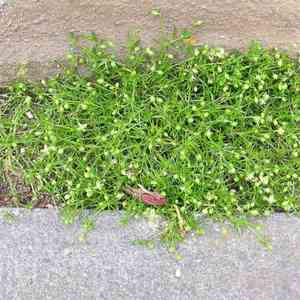
Bird's-eye Pearlwort (Sagina procumbens)
Also known as: Matted pearlwort, Spreading pearlwort
Bird's-eye Pearlwort (Sagina procumbens) is a perennial herbaceous plant that typically reaches up to 18 cm in height. Resembling moss, it forms a dense, spreading mat, especially in moist environments. The plant's small, dark seeds are easily dispersed by wind, leading to quick germination. Commonly, Bird's-eye Pearlwort can be found in sidewalk cracks, along roadsides, and in other disturbed areas. It features tiny, needle-like leaves and small white flowers that bloom from late spring to early autumn.
In This Article
Attributes of Bird's-eye Pearlwort
Lifespan
Perennial, Annual
Plant Type
Herb
Plant Height
3 cm to 10 cm
Spread
20 cm to 40 cm
Leaf Color
Green Blue
Flower Size
0.8 mm to 1.5 mm
Flower Color
White Yellow Green
Images of Bird's-eye Pearlwort
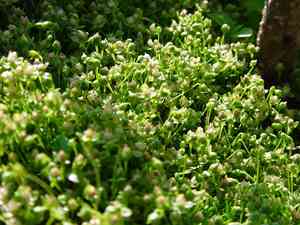
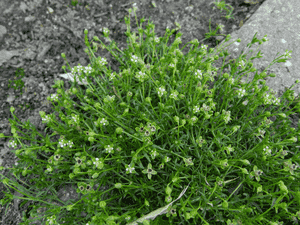
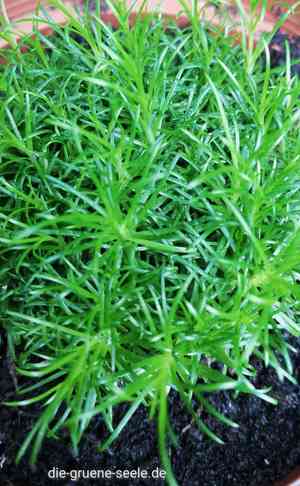
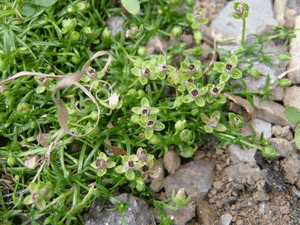
Quickly Identify Bird's-eye Pearlwort
1
Ground-hugging, mossy demeanor with sprawling habit.
2
Slender, needle-like foliage 1/2 to 1 inch (1.27 to 2.54 cm) long.
3
Vibrant green, awn-like leaves form dense, carpet-like mats.
4
Uniform thinness of leaves lacking prominent vein patterns.
5
Ability to persist in various climates, behaving as annual or perennial.
Scientific Classification of Bird's-eye Pearlwort
Phylum
Vascular plants
Class
Dicotyledons
Order
Caryophyllales
Family
Pink
Genus
Sagina
Species
Bird's-eye Pearlwort
Planting and Growing of Bird's-eye Pearlwort
Care Difficulty
Easy
Watering Schedule
Every 4 days
Sunlight Requirements
Full sun
Sunshine Duration
6-12 hours
Ideal Temperature
55-75℉
Soil Type
Potting Mix, Peat Mix
Soil pH
6.5-7.5
Fertilizer Type
Balanced
Pruning Season
Spring, Summer
Pruning Area
Branches, Leaves
Pruning Frequency
2 times a year
Repotting Season
Spring
Pot Type
Plastic, Ceramic
 How to Water Bird's-eye Pearlwort?
Sagina procumbens requires a moderate amount of water. The soil should be kept moist but not soggy; about 150 ml per watering session should suffice, depending on the pot size. It's vital to ensure water reaches the roots without oversaturating the soil, preventing root rot.
What are the symptoms of an underwatered Bird's-eye Pearlwort?
›
What should I do if my Bird's-eye Pearlwort is not getting enough water?
›
What are the symptoms of an overwatered Bird's-eye Pearlwort?
›
How to save an overwatered Bird's-eye Pearlwort?
›
 What Are the Sunlight Requirements for Bird's-eye Pearlwort?
Partial sun to full sun is ideal for Sagina procumbens. Sufficient sunlight enhances the plant’s vigor, encouraging lush foliage and abundant flowering, improving both aesthetics and overall plant health.
Optimal Sunlight Exposure
›
Solution Implementation
›
Benefits of Proper Lighting
›
 What Is the Ideal Temperature Range for Bird's-eye Pearlwort?
For optimal growth, Sagina procumbens thrives in temperatures ranging between 55°F and 75°F. This temperature range supports healthy growth and photosynthesis, ensuring the plant maintains its vibrant green color and compact form. Growth may slow below 55°F and above 75°F, leading to a decrease in overall plant vitality.
 What Soil is Best for Bird's-eye Pearlwort?
Sagina procumbens requires well-draining soil to prevent waterlogging, which can lead to root rot. This type of soil ensures adequate aeration and mimics the natural conditions this plant thrives in. A soil rich in organic matter gives Sagina procumbens the nutrients it needs for vibrant growth and blooming. Enhancing the soil with compost can improve its fertility, promoting better plant health. While good drainage is essential, the soil should also be able to retain some moisture to support the plant's hydration needs, especially during dry spells. This balance aids in maintaining the plant's lush appearance.
 How to Fertilize Bird's-eye Pearlwort?
Sagina procumbens, also known as procumbent pearlwort, requires a delicate balance of nutrients. Use a diluted solution of liquid fertilizer, approximately half the recommended strength on the label, to avoid over-fertilization.
 How to Prune Bird's-eye Pearlwort?
Start by identifying any dead or yellowing foliage, then use clean shears to snip these parts away at the base. Next, trim back any overly long stems to maintain a compact form. Sweep through the plant gently to remove any debris, encouraging airflow and preventing mold. Regularly monitor new growth to keep the plant looking tidy and vigorous.
 How to Propagate Bird's-eye Pearlwort plant?
1
Use a well-draining potting mix that retains some moisture but doesn't stay soggy. Add perlite or sand to enhance drainage if necessary.
2
Sprinkle seeds over the prepared soil and cover them with a thin layer of soil. Keep the soil consistently moist but not waterlogged. Place the seed trays in a well-lit area.
3
Select healthy stems and cut them just below a node. Remove the lower leaves and dip the cut end in rooting hormone before planting it in soil or water.
 How to Repot Bird's-eye Pearlwort plant?
1
Sagina procumbens exhibits signs of needing repotting when its roots begin to show through the drainage holes of the pot or the plant seems to be outgrowing its current container. Spring and Summer are the perfect times to undertake this task, as the plant is in its active growth phase, allowing it to recover more robustly.
2
Select a pot that is one size larger than the current one, ensuring it has ample drainage holes. A pot with good drainage helps prevent water logging, providing a healthier root environment. Ceramic pots can offer additional weight stability, which is useful for keeping the plant grounded.
3
Opt for a well-draining sandy loam soil mixture. This type of soil provides excellent aeration and prevents root rot by allowing excess water to drain away efficiently. Adding a bit of organic matter can also enhance nutrient availability, further benefiting the plant's growth.



