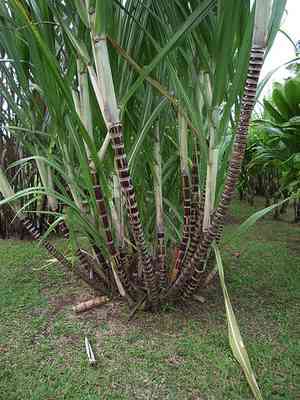
Sugarcane (Saccharum officinarum)
Also known as: Plume Grass
Sugarcane (Saccharum officinarum) is a grass species rich in sugar and native to New Guinea. Traditionally, people chewed on its stalks to enjoy the sweet juice. Today, it is cultivated globally for the production of sugar and ethanol.
In This Article
Attributes of Sugarcane
Lifespan
Perennial
Plant Type
Grass
Plant Height
1.5 m to 2.5 m
Spread
N/A
Leaf Color
Green
Flower Size
N/A
Flower Color
White Yellow Red Brown
Images of Sugarcane
Quickly Identify Sugarcane
1
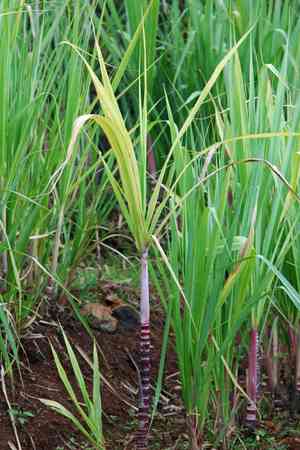
Robust, jointed stalks 6-12 feet (1.8-3.7 meters) tall rich in sugar.
2
Plumelike flower clusters in purplish to creamy white, 20-40 inches (50-100 cm) long.
3
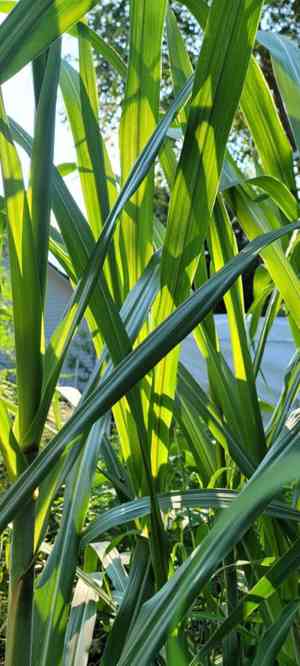
Broad, alternate leaves up to 5 feet (1.5 meters) long, 3 inches (7.6 cm) wide.
4
Small, oblong fruit seeds 1.5 mm (0.06 inches) long for wind dispersal.
5
Culms 10-20 feet (3-6 meters) tall, 0.8-1.8 inches (20-45 mm) thick, solid with swollen internodes.
Scientific Classification of Sugarcane
Phylum
Vascular plants
Class
Monocotyledons
Order
Grasses, sedges and allies
Family
Grass
Genus
Saccharum
Species
Sugarcane
Planting and Growing of Sugarcane
Care Difficulty
Moderate
Watering Schedule
Every 2 days
Sunlight Requirements
Full sun
Sunshine Duration
6-10 hours
Ideal Temperature
68-86℉
Soil Type
Potting Mix, Peat Mix
Soil pH
6.5-7.5
Fertilizer Type
Balanced
Pruning Season
Spring, Summer
Pruning Area
Branches, Leaves
Pruning Frequency
2 times a year
Repotting Season
Spring
Pot Type
Plastic, Ceramic
 How to Water Sugarcane?
Saccharum officinarum requires a substantial amount of water due to its robust and large size. The key principle is to ensure the entire root zone receives water without waterlogging. Aim for the soil to remain consistently moist, but not soggy, reaching about 10 cm deep.
What are the symptoms of an underwatered Sugarcane?
›
What should I do if my Sugarcane is not getting enough water?
›
What are the symptoms of an overwatered Sugarcane?
›
How to save an overwatered Sugarcane?
›
 What Are the Sunlight Requirements for Sugarcane?
Saccharum officinarum requires full sunlight exposure for optimal growth and sugar production. Ideal lighting not only maximizes photosynthetic capacity but also fortifies root systems and promotes robust stem development, crucial for high-quality sugar cane yield.
More About Sunlight Requirements Techniques→
What kind of sunlight does Saccharum officinarum prefer?
›
How can I ensure my sugar cane gets ideal light exposure?
›
What benefits come from Saccharum officinarum having ideal lighting?
›
 What Is the Ideal Temperature Range for Sugarcane?
The ideal temperature range for Saccharum officinarum, or sugarcane, is between 68°F and 86°F. These temperatures provide the optimal environment for photosynthesis and growth, ensuring robust plant health and maximizing sugar production.
 What Soil is Best for Sugarcane?
Saccharum officinarum requires well-drained soil to prevent waterlogging, which can lead to root rot. Ensuring proper drainage helps maintain the oxygen levels for roots, promoting healthy growth and maximizing the yield of this tropical plant. This plant thrives in nutrient-rich soil that provides essential minerals like nitrogen, phosphorus, and potassium. Such soil supports vigorous growth and high sugar content in the plant's stalks, which is vital for its commercial use in sugar production. Saccharum officinarum benefits from soil that retains moisture without becoming soggy. This helps maintain a consistent water supply to the roots, essential during dry periods to prevent stress and maintain optimal growth.
More About Soil→
 How to Fertilize Sugarcane?
For Saccharum officinarum, it is recommended to apply 1.5 to 2 kg of nitrogen per hectare for optimal growth. Phosphorus and potassium should also be provided in balanced quantities to support the plant's health and sugar production capabilities.
More About Fertilizing Techniques→
 How to Prune Sugarcane?
Begin by identifying and removing any dead or diseased leaves, cutting them back to where they meet healthy tissue. This prevents the spread of disease and directs energy to healthy parts of the plant. Carefully trim mature canes that are no longer productive. Make your cuts at a 45-degree angle to ensure water doesn't pool and promote rot. Cut back any stalks that are inhibiting light or air from reaching the inner parts of the plant. This encourages healthier growth and reduces the likelihood of pest infestations. Clear away any leaf litter or debris from the base of the plant to eliminate hiding places for pests and reduce fungal risks.
More About Pruning Techniques→
 How to Propagate Sugarcane plant?
1
Choose a healthy and mature Saccharum officinarum plant. This ensures that the cuttings or tissues taken have the best chance for growth and are disease-free.
2
Using a sterilized knife, cut sections from the parent plant that include at least one node, necessary for rooting. In tissue culture, take small tissue samples under sterile conditions.
3
Insert the cuttings into moist, well-draining soil or prepare the tissue culture samples in a nutrient medium, ensuring they are kept in suitable environmental conditions for growth.
 How to Repot Sugarcane plant?
1
Saccharum officinarum, commonly known as sugarcane, should be repotted when you notice the roots circling the bottom, or the plant becomes root-bound. The ideal time is during the growing seasons of spring or summer, allowing the plant to adapt to its new surroundings before the growth period ends.
2
Opt for a pot slightly larger than the current one, ensuring it has ample drainage holes. This helps in preventing waterlogging and promotes healthy root growth. A clay or terracotta pot is preferable as it allows excess moisture to evaporate, maintaining optimal soil conditions.
3
Use a rich, well-draining soil mix with good organic content. This ensures that sugarcane plants receive enough nutrients while avoiding water retention issues. The right soil mix facilitates aeration and provides a solid foundation for robust root development.



