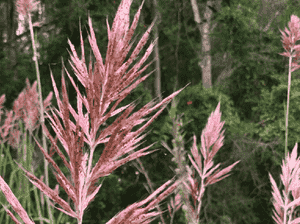
Sugarcane plume grass (Saccharum giganteum)
Also known as: Giant Reed, American Cane, Giant Sugar Cane
Sugarcane plume grass (Saccharum giganteum) is often used in ornamental landscaping for its attractive seed plumes. In natural settings, it prefers wet, moist soils commonly found in wetlands like marshes and riverbanks. This grass serves as a larval host for butterflies such as the common wood-nymph and clouded skipper. Additionally, its seeds, fruit, and nectar provide food for a variety of wildlife, including birds, butterflies, and small mammals.
In This Article
Attributes of Sugarcane plume grass
Lifespan
Perennial
Plant Type
Grass
Plant Height
91 cm to 2.5 m
Spread
90 cm to 1.2 m
Leaf Color
Green
Flower Size
0.1-0.3 cm (flowers are tiny)
Flower Color
Pale, often white or purple-tinged
Images of Sugarcane plume grass
Quickly Identify Sugarcane plume grass
1
Tower-like growth reaching 8-20 feet (2.4-6 meters) depending on climate.
2
Large, sharp-edged, arching leaf blades creating a majestic appearance.
3
Golden plumes on tall stems, up to 2 feet (60 cm) long, lack scent.
4
Dry caryopsis fruits in dense clusters with tawny brown color.
5
Husky, lustrous fruit capsules on slender stalks in late fall.
Scientific Classification of Sugarcane plume grass
Phylum
Vascular plants
Class
Monocotyledons
Order
Poales
Family
Grass
Genus
Saccharum
Species
Sugarcane plume grass
Planting and Growing of Sugarcane plume grass
Care Difficulty
Easy
Watering Schedule
Every 4 days
Sunlight Requirements
Full sun
Sunshine Duration
4-8 hours
Ideal Temperature
68-86℉
Soil Type
Potting Mix, Peat Mix
Soil pH
6.5-7.5
Fertilizer Type
Balanced
Pruning Season
Spring, Summer
Pruning Area
Leaves, Branches
Pruning Frequency
2 times a year
Repotting Season
Spring
Pot Type
Plastic, Ceramic
 How to Water Sugarcane plume grass?
For Saccharum giganteum, you should aim for about 1000ml per session. The focus is on keeping the soil evenly moist without waterlogging, ensuring that it penetrates the root zone effectively. This balance is key for optimal growth.
What are the symptoms of an underwatered Sugarcane plume grass?
›
What should I do if my Sugarcane plume grass is not getting enough water?
›
What are the symptoms of an overwatered Sugarcane plume grass?
›
How to save an overwatered Sugarcane plume grass?
›
 What Are the Sunlight Requirements for Sugarcane plume grass?
Saccharum giganteum prefers full sun to partial sun, flourishing best with 6-8 hours of sunlight. Ideal lighting promotes healthy growth, increased vigor, and optimal photosynthesis, ensuring the plant's structural and aesthetic vitality.
What is the ideal amount of sunlight for Saccharum giganteum?
›
Why is partial sun also acceptable for Saccharum giganteum?
›
How can you ensure Saccharum giganteum receives adequate sunlight?
›
 What Is the Ideal Temperature Range for Sugarcane plume grass?
For optimal growth, Saccharum giganteum thrives best in temperatures ranging from 68°F to 86°F. This range allows the plant to maximize photosynthesis activity and maintain robust growth habits. Ensuring daytime temperatures do not exceed or fall below this range will help maintain the plant's vigor.
 What Soil is Best for Sugarcane plume grass?
Saccharum giganteum thrives in well-drained soil as it prevents waterlogging, ensuring healthy root growth and optimal plant vigor by preventing root rot. A soil enriched with organic matter provides essential nutrients, enhancing the growth and vitality of Saccharum giganteum, supporting robust cane development. Maintaining a balance in moisture retention is crucial as it ensures consistent moisture availability while preventing oversaturation, promoting steady growth.
 How to Fertilize Sugarcane plume grass?
When fertilizing Saccharum giganteum, use a balanced formula such as 10-10-10 at half strength for liquid fertilizer application, and follow the instruction on the slow-release fertilizer packaging for an appropriate amount.
 How to Prune Sugarcane plume grass?
Begin by thinning out older stems and any dead or discolored foliage at the base. This opens up the plant for more light and improves air circulation, minimizing pest and disease risks. Trim back long stems to maintain the desired shape of the plant. Aim for a balanced appearance by removing uneven growth and keeping the clump compact and vibrant. Dispose of all clippings appropriately. Compost the healthy green waste, but ensure diseased material is destroyed to prevent the spread of pathogens in your garden.
More About Pruning Techniques→
 How to Propagate Sugarcane plume grass plant?
1
Ensure the soil is well-drained and rich in organic matter to support healthy seed germination or clump division. Amend the soil with compost to improve fertility.
2
Sow seeds evenly in the prepared soil, covering lightly with a thin layer of soil. Keep the soil consistently moist, but not waterlogged, to encourage germination.
3
Gently dig up the mature clump of Saccharum giganteum, separating it into smaller sections with at least a few stems and roots each. Replant these divisions promptly in adequately prepared soil.
 How to Repot Sugarcane plume grass plant?
1
Look for signs of crowded roots protruding from the drainage holes as the clearest indicator for repotting. Additionally, if the plant's growth rate seems stunted despite proper care, it might be time. Saccharum giganteum benefits most when repotted during periods of active growth, specifically in spring or early summer.
2
Select a pot that is 2-3 inches larger in diameter than the current one to allow for root growth. It should have ample drainage holes to prevent waterlogging, which can cause root rot. Opting for a large, sturdy pot ensures stability for this tall-growing plant, minimizing the risk of tipping over in windy conditions.
3
Choose a rich, well-drained loam soil that can retain moisture yet provide adequate aeration. Adding organic matter like compost can enhance the soil quality, promoting healthier, robust growth. Proper soil selection ensures that Saccharum giganteum thrives with sufficient nutrients while reducing the risk of root suffocation.
Learn More About Sugarcane plume grass Diseases
Anthracnose
Bacterial Leaf Spot
Bacterial Soft Rot
Bacterial Wilt
Chemical Injury
Damping-off
Downy Mildew
Drought Stress
Fusarium Wilt
Gray Mold
Leaf Spot
Mosaic
Nutrient Deficiency
Nutrient Toxicity
Powdery Mildew
Root Rot
Root-knot Nematode
Rusts
Sooty Mold
Spider Mites
Temperature Stress
Thrips Damage
White Mold



