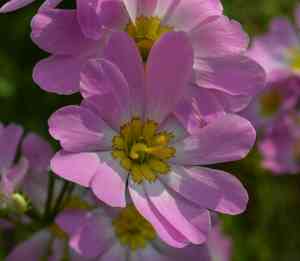
Plymouth rose gentian (Sabatia kennedyana)
Also known as: Plymouth rose gentian, Large marsh pink
Sabatia kennedyana, or Plymouth gentian, is a perennial herb that spreads via stolons ending in basal rosettes of leaves. Its flowers are pink with a central white or yellow area. The blooms can reach up to 5 centimeters in width and typically have 9 to 11 petals.
In This Article
Attributes of Plymouth rose gentian
Lifespan
Perennial
Plant Type
Herb
Plant Height
30-60 cm
Spread
20 cm to 30 cm
Leaf Color
Green
Flower Size
3 cm
Flower Color
Pink Purple Red
Images of Plymouth rose gentian

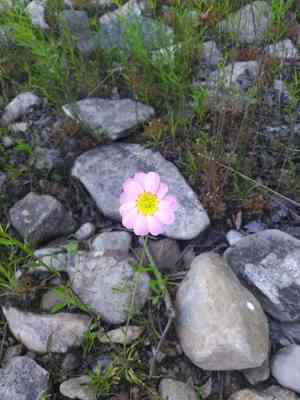
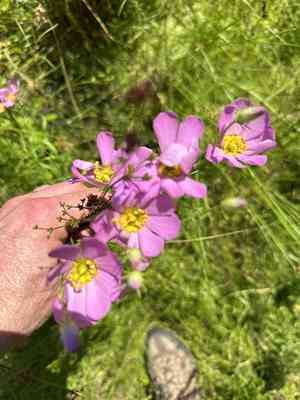
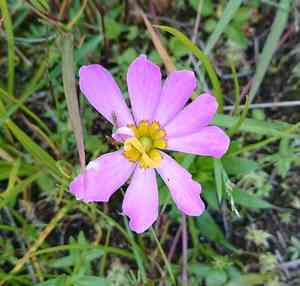
Quickly Identify Plymouth rose gentian
1
Vivid pink flowers with 5-7 petals, occasionally with a pale yellow eye at center.
2
Slender, upright stems up to 24 inches (60 cm) tall.
3
Narrow, lance-shaped leaves arranged oppositely along the stem.
4
Symmetrical flowers with more than 11 broad, overlapping petals in a circular bloom.
5
Oval-shaped, dry, dehiscent fruit transitioning from green to brown, containing tiny seeds.
Scientific Classification of Plymouth rose gentian
Phylum
Vascular plants
Class
Dicotyledons
Order
Gentianales
Family
Gentian
Genus
Rose gentians
Species
Plymouth rose gentian
Planting and Growing of Plymouth rose gentian
Care Difficulty
Moderate
Watering Schedule
Every 2 days
Sunlight Requirements
Partial sun
Sunshine Duration
6-12 hours
Ideal Temperature
60-75℉
Soil Type
Potting Mix, Peat Mix
Soil pH
4.5-6.5
Fertilizer Type
Balanced
Pruning Season
Spring, Summer
Pruning Area
Branches, Leaves
Pruning Frequency
2 times a year
Repotting Season
Spring
Pot Type
Ceramic, Plastic
 How to Water Plymouth rose gentian?
Sabatia kennedyana thrives in moist, well-drained soils, and should be watered thoroughly until the soil is evenly moist but not soggy. It's essential that the water penetrates deeply into the root zone, which typically requires around 300 milliliters of water per watering session. Ensure each application of water is sufficient to moisten the entire root zone, promoting healthy root development and growth.
What are the symptoms of an underwatered Plymouth rose gentian?
›
What should I do if my Plymouth rose gentian is not getting enough water?
›
What are the symptoms of an overwatered Plymouth rose gentian?
›
How to save an overwatered Plymouth rose gentian?
›
 What Are the Sunlight Requirements for Plymouth rose gentian?
Sabatia kennedyana flourishes in partial sun to full sun conditions. Access to ample light supports active photosynthesis, robust growth, and enhanced flowering, ensuring the plant remains vibrant and thriving.
How to Ideally Position Sabatia kennedyana?
›
What Makes the Lighting Ideal for the Plant?
›
What Measures Ensure Optimal Light Exposure?
›
 What Is the Ideal Temperature Range for Plymouth rose gentian?
The ideal temperature range for Sabatia kennedyana to thrive is between 60°F and 75°F. This range supports optimal growth and allows the plant to perform photosynthesis efficiently. During these moderate conditions, Sabatia kennedyana can maintain its structural and metabolic functions, ensuring vibrant blooms and sustained health.
 What Soil is Best for Plymouth rose gentian?
Sabatia kennedyana thrives in soils that retain moisture well, crucial for supporting its delicate root systems. It benefits immensely from even hydration as it is native to moist, sandy habitats, ensuring vibrant growth. A nutrient-rich soil composition is vital for this plant, providing essential minerals that enhance its growth and flowering. This boosts its overall health, resulting in more robust and resilient foliage and blooms. While Sabatia kennedyana prefers moist soils, good drainage is key to prevent root rot. It benefits from sandy loam that allows excess water to escape, thus maintaining optimal root health and vigor.
 How to Fertilize Plymouth rose gentian?
For Sabatia kennedyana, moderation is key when it comes to fertilizer. Generally, this plant requires a balanced fertilizer diluted to 1/4 of the recommended strength on the package. This ensures that the plant receives the necessary nutrients without overwhelming its system.
 How to Prune Plymouth rose gentian?
Begin by inspecting your Sabatia kennedyana for any old and diseased stems. Carefully remove these first to promote new growth and maintain plant health. After the plant has finished flowering, carefully trim back the stems to shape the plant. This helps tidy up the plant and directs growth for a fuller appearance. Pinch back the tips of new growth to encourage the plant to grow bushier with more side shoots. This technique enhances the plant's lush appearance.
 How to Propagate Plymouth rose gentian plant?
1
Harvest seeds from mature Sabatia kennedyana plants in late summer. Ensure the seeds are dry and clean before storing them for propagation.
2
Use a well-draining potting mix for both seed and cutting propagation. The soil should be slightly acidic to neutral, mimicking the plant's natural habitat.
3
Sow seeds lightly on the surface and cover with a thin layer of soil. For cuttings, insert them in the soil ensuring at least one node is below the surface.
 How to Repot Plymouth rose gentian plant?
1
Repotting is optimal when the plant shows signs of being root-bound, such as roots protruding from drainage holes or stunted growth. It's best to do this during warmer months when the plant can recover quickly.
2
Choose a pot slightly larger than the current one, ensuring it has drainage holes. A slightly larger pot prevents waterlogging and allows the roots space to spread, promoting healthier growth.
3
Opt for an acidic, well-draining soil mix. This type of soil mimics the plant's natural habitat, preventing root rot and encouraging healthy root development with proper aeration and moisture retention.



