Senegal saba(Saba senegalensis)

Senegal saba (Saba senegalensis)

Also known as: Madd, Senegal Wild Mango

Senegal saba, also known as Saba senegalensis, offers significant benefits beyond its visual appeal. Economically, it is a valuable resource in parts of Africa where its fruit is sold in local markets, providing a vital source of income for many families. Additionally, the plant contributes to employment opportunities through harvesting and processing activities.

Ecologically, the Senegal saba plant thrives in dry savannahs, playing a crucial role in soil conservation by preventing erosion with its robust root system. It also enhances local biodiversity by offering food and shelter to various species. Furthermore, its drought-resistant nature makes it an essential component of sustainable agriculture in arid regions.

Attributes of Senegal saba

Lifespan
Perennial
Plant Type
Tree
Plant Height
6-10 meters (as a climbing vine)
Spread
Spreading crown can reach up to 10 meters in horizontal spread
Leaf Color
Dark green
Flower Size
2-3 centimeters
Flower Color
Pale yellow to white

ForwardPlant - Identify plants with a snap

Identify and diagnose plants, get toxicity alerts, and explore safety guides for all types of fungi.

Try for Free

Images of Senegal saba

Senegal saba(Saba senegalensis)

Quickly Identify Senegal saba

1
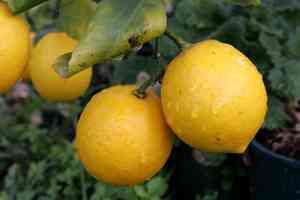
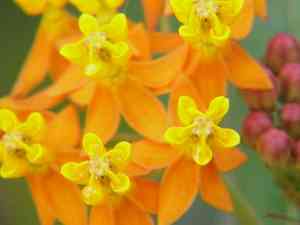
Saba senegalensis can be identified by its sturdy vine-like growth, its thick, leathery leaves, and its bright yellow fruits that resemble small mangos. The flowers are pale yellow to white and appear in clusters.

Scientific Classification of Senegal saba

Phylum
Vascular plants
Class
Dicotyledons
Order
Gentianales
Family
Dogbane
Genus
Saba
Species
Senegal saba

Planting and Growing of Senegal saba

Care Difficulty
Moderate
Watering Schedule
Every 4 days
Sunlight Requirements
Full sun
Sunshine Duration
6-10 hours
Ideal Temperature
75-86℉
Soil Type
Potting Mix, Peat Mix
Soil pH
6.5-7.5
Fertilizer Type
Balanced
Pruning Season
Spring, Summer
Pruning Area
Branches, Leaves
Pruning Frequency
2 times a year
Repotting Season
Spring
Pot Type
Plastic, Terracotta

water icon How to Water Senegal saba?

For Saba senegalensis, ensure you water adequately by soaking the soil until it is thoroughly moist but not waterlogged. This helps the roots to absorb moisture efficiently without encouraging rot.
What are the symptoms of an underwatered Senegal saba?
What should I do if my Senegal saba is not getting enough water?
What are the symptoms of an overwatered Senegal saba?
How to save an overwatered Senegal saba?

sunlight icon What Are the Sunlight Requirements for Senegal saba?

Sunlight Requirements: Full sun, Partial sun
Duration of light: Up to 8 hours
Saba senegalensis flourishes best in full to partial sunlight. This range optimizes photosynthesis, resulting in vigorous growth and prolific fruiting.
How much sunlight does Saba senegalensis require?
What solutions can I implement to achieve ideal lighting?
What benefits does ideal lighting provide to Saba senegalensis?

temperature icon What Is the Ideal Temperature Range for Senegal saba?

Ideal Temperature: 75 ~ 86℉
For optimal growth, Saba senegalensis thrives in warm temperatures, ideally between 75°F to 86°F. This range supports its metabolic processes and aids in photosynthesis. Maintaining these temperatures can ensure healthy foliage and proper flowering.

soil icon What Soil is Best for Senegal saba?

Soil type: Sandy soil, Loam, Sandy loam
Soil PH: 6.5 ~ 7.5
Saba senegalensis thrives in well-drained soil, which prevents water from pooling around its roots. This helps to avoid root rot and ensures that the plant absorbs nutrients efficiently for optimal growth and fruit production. This plant benefits greatly from soil that is rich in organic matter. The addition of compost or natural fertilizer can enhance the soil's nutritional profile, promoting healthier foliage and abundant fruit yield. While Saba senegalensis prefers moist soil, it's important to maintain a balance. Consistent moisture levels help the plant manage its water requirements without the stress of drought or oversaturation, both of which can hinder growth.

fertilize icon How to Fertilize Senegal saba?

Fertilizer type: Balanced
For Saba senegalensis, the amount of fertilizer should be carefully measured to suit its moderate growth pace. Use approximately 1/2 to 3/4 of the recommended dosage specified on the fertilizer package to avoid overdosing. It's better to err on the side of caution to prevent potential damage to the plant.

prune icon How to Prune Senegal saba?

Pruning Time: Spring, Summer
Start by identifying dead or diseased branches by their lack of foliage or brittle texture. Cut these branches back to the base or until you reach healthy wood. Shape the Saba senegalensis to your desired form by trimming excess growth. Focus on outward-facing buds to encourage outward growth and maintain a balanced shape. Thin out any overly dense areas to allow light and air to penetrate through the canopy. This helps reduce the risk of fungal diseases and promotes even growth. More About Pruning Techniques

propagate icon How to Propagate Senegal saba plant?

Propagate Time: Early spring, Late spring, Early summer
1
Begin by soaking the seeds in warm water for 24 hours to soften the hard seed coat, which can improve germination rates. After soaking, dry the seeds lightly before planting them in your prepared seed tray.
2
Scatter the seeds evenly across the surface of the sterile potting mix in the seed tray. Cover the seeds with a thin layer of soil, approximately twice the thickness of the seeds themselves, ensuring they are lightly buried.
3
Gently water the seeds using a fine mist sprayer to avoid displacing them. Keep the soil consistently moist but not waterlogged. Maintain a warm environment to encourage germination, ideally around 20-25°C (68-77°F).
More About Propagating Techniques

repot icon How to Repot Senegal saba plant?

Repotting frequency: Every 2-3 years
1
Saba senegalensis plants show signs of needing repotting when roots start circling the pot's base or emerging from drainage holes. Additionally, reduced growth or frequent drying of the soil are indicators. Ideally, repot during active growth in spring or early summer to minimize stress.
2
Select a pot slightly larger than the current one, ensuring it has good drainage holes. This helps prevent root rot and allows the roots ample room for growth. Terra-cotta or clay pots are ideal as they permit air exchange and wick away excess moisture from the soil.
3
Opt for a rich, well-draining soil mixture containing loamy soil, coarse sand, and organic compost. This mix retains enough moisture while allowing excess to drain, preventing root rot and ensuring the plant receives essential nutrients for healthy growth.

ForwardPlant - Identify plants with a snap

Find the best spots for them to optimize their health, simply using your phone.

Try for Free