Rues (Ruta) (Ruta)
Also known as: Rue, Common Rue, Herb-of-grace
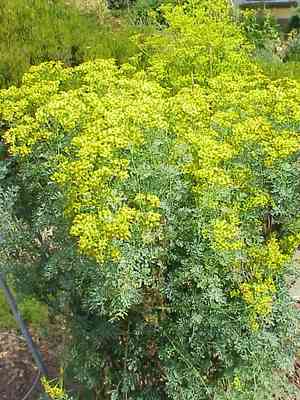
**Ruta graveolens**, also known as common rue or herb-of-grace, is the most recognized species of rue. This evergreen subshrub is often cultivated for its attractive blue-green, feathery foliage and small yellow flowers. Despite its strong scent and potential to cause skin irritation in some individuals, common rue has historical uses. In Europe, its leaves have been used as a wine additive for centuries. Additionally, rue serves both medicinal purposes, such as treating digestive issues and headaches, and culinary uses, although it should be used cautiously.
In This Article
Attributes of Rues (Ruta)
Lifespan
Perennial
Plant Height
50-100 cm
Spread
40-60 cm
Leaf Color
Blue-green
Flower Size
1 cm
Flower Color
Yellow
Images of Rues (Ruta)
Quickly Identify Rues (Ruta)
1
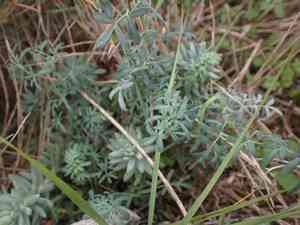
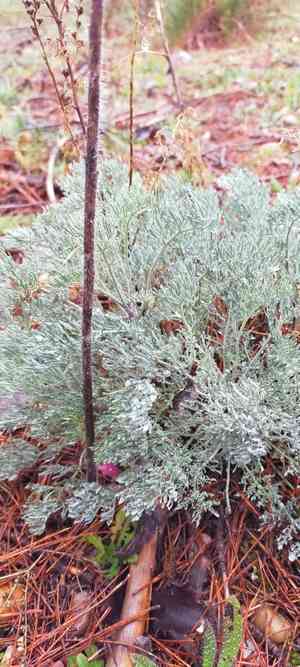
Rue can be identified by its blue-green, feathery leaves that are typically aromatic when bruised. The plant produces small, bright yellow, four-petaled flowers in clusters. Its woody stems and evergreen nature also help in identification.
Scientific Classification of Rues (Ruta)
Phylum
Magnoliophyta
Class
Magnoliopsida
Order
Sapindales
Family
Rutaceae
Genus
Ruta
Planting and Growing of Rues (Ruta)
Care Difficulty
Moderate
Watering Schedule
Every 3 days
Sunlight Requirements
Full sun
Sunshine Duration
4-8 hours
Ideal Temperature
65-75℉
Soil Type
Potting Mix, Peat Mix
Soil pH
6.5-7.5
Fertilizer Type
Balanced
Pruning Season
Spring, Summer
Pruning Area
Branches, Leaves
Pruning Frequency
2 times a year
Repotting Season
Spring
Pot Type
Plastic, Ceramic
 How to Water Rues (Ruta)?
Ruta plants thrive when their soil is kept moderately moist. Aim to water with around 150 ml each time, ensuring that the soil is evenly moistened but not waterlogged. Consistent but measured watering helps maintain the plant's health and prevents root rot.
What are the symptoms of an underwatered Rues (Ruta)?
›
What should I do if my Rues (Ruta) is not getting enough water?
›
What are the symptoms of an overwatered Rues (Ruta)?
›
How to save an overwatered Rues (Ruta)?
›
 What Is the Ideal Temperature Range for Rues (Ruta)?
The ideal growing temperature for Ruta lies between 65°F to 75°F. This range allows the plant to thrive without exposing it to temperature extremes that can stress its growth. Maintaining this temperature range ensures the plant achieves optimal physiological functions.
 What Soil is Best for Rues (Ruta)?
Ruta thrives in well-draining soils, which help prevent root rot by avoiding waterlogging. Good drainage ensures that the roots have access to necessary air pockets, ultimately promoting healthy growth and vitality. While Ruta is not particularly demanding about soil fertility, a moderate nutrient level supports its growth. Providing a balanced soil ensures that the plant gets essential nutrients without overwhelming it, leading to better foliage and overall health. This plant prefers soils with a slightly alkaline to neutral pH, around 6.5 to 7.5. Such pH levels support nutrient availability and absorption, allowing Ruta to grow optimally and produce its characteristic foliage.
 How to Fertilize Rues (Ruta)?
When fertilizing Ruta, ensure you use a balanced all-purpose fertilizer at half the recommended strength. Apply approximately 5-10 grams per plant to avoid overwhelming the roots and ensure better absorption. This dosage provides Ruta with the necessary nutrients without causing harm.
 How to Prune Rues (Ruta)?
Begin by identifying and removing any dead, diseased, or damaged stems. This not only helps maintain the shape of the plant but also encourages new growth. Cut as close to the base of the plant as possible to ensure the stem is fully removed. To encourage bushier growth, focus on cutting back longer stems. Aim to prune just above a leaf node as this is where new growth will emerge. Balancing the plant evenly around the base can result in a neat, rounded shape, promoting a healthy structure.
 How to Propagate Rues (Ruta) plant?
1
To propagate Ruta from seeds, start by preparing seed trays with a well-draining soil mix. Sow the seeds on the surface and lightly press them into the soil. Cover with a thin layer of sand or perlite to retain moisture and prevent seed movement. Keep the trays in a warm and bright location but avoid direct sunlight. Germination typically takes 2-3 weeks.
2
For cutting propagation, select healthy, non-flowering stems about 10 cm long. Cut just below a node using sterilized pruners. Remove the lower leaves and dip the cut end in rooting hormone for better root development. Plant the cuttings in a pot with well-draining soil and keep them in a warm, humid environment until roots develop.
3
Division propagation is best done in spring or early summer. Carefully dig up the Ruta plant, preserving as much of the root system as possible. Gently separate the plant into smaller sections, ensuring each has sufficient roots and foliage. Replant the divisions in desired locations, water them thoroughly, and provide them shade for a few days to reduce transplant shock.
 How to Repot Rues (Ruta) plant?
1
Repotting Ruta is necessary when roots outgrow the current pot or soil compaction is evident. Signs include visible roots at the surface or through drainage holes, and the plant appears too large for its pot. It's best to notice these signs during the growing seasons of spring and summer.
2
Select a pot that's 1-2 inches larger in diameter than the current pot to offer adequate space for root growth. Ensure it has proper drainage to prevent waterlogging, promoting healthier root development. A clay or terracotta pot can provide breathability, benefiting Ruta’s growth.
3
Opt for a well-draining soil mix, ideally one that includes sand, perlite, or pumice to enhance drainage. This prevents moisture retention, crucial for Ruta’s health, minimizing the risk of root rot and maintaining optimal conditions for the plant.
Toxicity
Ingestion, Skin Contact
WARNING
The judgment on toxicity and danger is for reference only. We DO NOT GUARANTEE any accuracy of such judgment. Therefore, you SHALL NOT rely on such judgment. It is IMPORTANT TO SEEK PROFESSIONAL ADVICE in advance when necessary.
Learn More About Rues (Ruta) Diseases
Anthracnose
Bacterial Leaf Spot
Bacterial Soft Rot
Bacterial Wilt
Black Spot
Chemical Injury
Crown Gall
Damping-off
Drought Stress
Fusarium Wilt
Gray Mold
Leaf Curl
Leaf Spot
Mosaic
Nutrient Deficiency
Nutrient Toxicity
Powdery Mildew
Root Rot
Root-knot Nematode
Rusts
Sooty Mold
Spider Mites
Temperature Stress
Thrips Damage
White Mold

