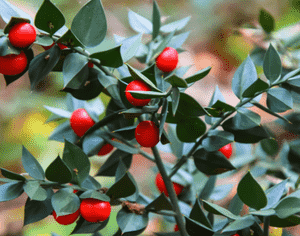
Butcher's-broom (Ruscus aculeatus)
Also known as: Shepherd's myrtle, Pettigree, Knee holly, Knee hull, Jew's myrtle
Butcher's-broom (Ruscus aculeatus) is a low-growing, dense evergreen shrub native to Eurasia and Africa. The specific epithet, "aculeatus," means "prickly," referring to the plant's spiky, toothed leaves, which are stiff to the touch. Though the butcher's-broom produces bright red berries, the seeds within rarely germinate, leaving the plant to usually reproduce via its underground rhizomes.
Attributes of Butcher's-broom
Images of Butcher's-broom
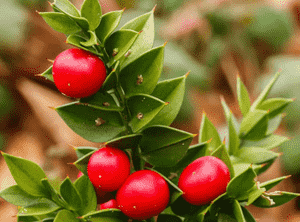
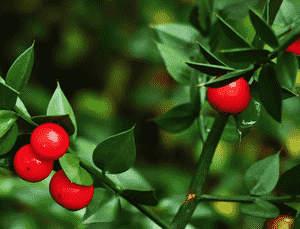
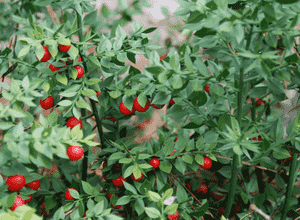
Quickly Identify Butcher's-broom
Scientific Classification of Butcher's-broom
Toxicity of Butcher's-broom
Is Butcher's-broom toxic to cat?
Butcher's-broom is a toxic plant that poses a significant risk to cats, as its ingestion can lead to serious health issues. Cats might inadvertently consume various parts of this plant, such as its fruits, seeds, or stems, resulting in poisoning incidents. Following the consumption of butcher's-broom, a cat may show signs of physical distress, reflecting the harmful nature of the plant. Therefore, it is crucial for cat owners to be alert regarding their pets' exposure to butcher's-broom and to promptly seek veterinary assistance at the first indication of poisoning, thereby safeguarding the health and safety of their beloved cats.
Is Butcher's-broom toxic to dog?
Butcher's-broom is known to be a poisonous plant for dogs, presenting a serious health hazard if consumed. Dogs might inadvertently ingest parts of butcher's-broom, which could potentially result in poisoning. The entirety of the plant, including its fruits and seeds, is deemed toxic and must be kept away from pets. Should a dog consume any section of butcher's-broom, it may show signs such as vomiting, diarrhea, abdominal discomfort, or lethargy. It is vital for dog owners to vigilantly observe their pets and restrict their access to this plant. If a dog happens to consume butcher's-broom, seeking immediate veterinary attention is essential to ensure the best possible recovery for the animal.

