
Widgeonweeds (Ruppia) (Ruppia)
Also known as: Ditch grasses
Widgeonweeds, typically annuals but sometimes perennials in temperate regions, flourish in aquatic environments. They thrive in both brackish and saltwater habitats such as coastal lagoons, salt marshes, and estuaries. All their leaves grow underwater. Occasionally, they are cultivated in garden ponds and serve as a food source for native waterfowl.
In This Article
Attributes of Widgeonweeds (Ruppia)
Lifespan
Annual
Plant Height
10-30 cm
Spread
N/A (submerged plant)
Leaf Color
Green
Flower Size
less than 1 cm
Flower Color
White, translucent
Images of Widgeonweeds (Ruppia)
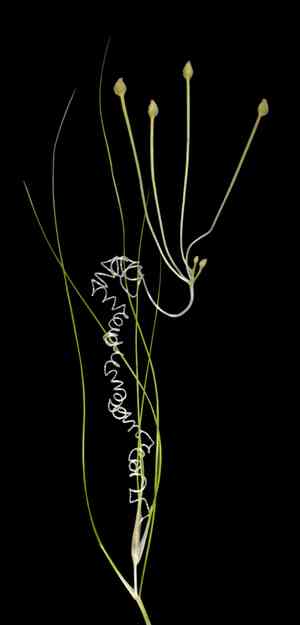
Quickly Identify Widgeonweeds (Ruppia)
1
Ruppia can be identified by its long, thin, thread-like leaves that grow in dense clusters. The plant usually has small, inconspicuous flowers and produces seeds that are dispersed by water currents. It typically grows in shallow brackish or saline waters and forms submerged meadows.
Scientific Classification of Widgeonweeds (Ruppia)
Phylum
Angiosperms
Class
Monocots
Order
Alismatales
Family
Ruppiaceae
Genus
Ruppia
Planting and Growing of Widgeonweeds (Ruppia)
Care Difficulty
Easy
Watering Schedule
Every 4 days
Sunlight Requirements
Full sun
Sunshine Duration
4-6 hours
Ideal Temperature
64-72℉
Soil Type
Potting Mix, Peat Mix
Soil pH
6.5-8.5
Fertilizer Type
Balanced
Pruning Season
Spring, Summer
Pruning Area
Branches, Leaves
Pruning Frequency
2 times a year
Repotting Season
Spring
Pot Type
Plastic, Ceramic
 How to Water Widgeonweeds (Ruppia)?
Ruppia, an aquatic plant, needs sufficient water to thrive. The optimal amount is about 250 ml each time you water, ensuring roots are submerged but not flooding. This maintains hydration while preventing root decay.
What are the symptoms of an underwatered Widgeonweeds (Ruppia)?
›
What should I do if my Widgeonweeds (Ruppia) is not getting enough water?
›
What are the symptoms of an overwatered Widgeonweeds (Ruppia)?
›
How to save an overwatered Widgeonweeds (Ruppia)?
›
 What Are the Sunlight Requirements for Widgeonweeds (Ruppia)?
Ruppia flourishes under full to partial sun, ideally positioned where it receives consistent light. Proper lighting promotes robust photosynthesis, enhancing growth, vitality, and resilience against environmental stressors.
Optimal Positioning for Sunlight
›
Adjust for Seasonal Changes
›
Utilize Artificial Lighting if Necessary
›
 What Is the Ideal Temperature Range for Widgeonweeds (Ruppia)?
The ideal temperature range for Ruppia, commonly known as ditch-grass or widgeon grass, is between 64°F and 72°F. These conditions are optimal as they provide a stable environment that supports robust growth and maintains the metabolic processes essential for the plant's survival and reproduction.
 What Soil is Best for Widgeonweeds (Ruppia)?
Ruppia thrives in well-drained soil, which prevents root rot and ensures the plant receives adequate oxygen. This is especially vital for aquatic environments where the plant is naturally found. Thriving in nutrient-poor substrates allows Ruppia to dominate in environments where other plants can't survive, ensuring there is less competition for resources. Maintaining a stable pH range between 6.5 and 8.5 is crucial for Ruppia, ensuring optimal nutrient uptake and preventing harmful shifts that could impair growth.
 How to Fertilize Widgeonweeds (Ruppia)?
Given the aquatic nature of Ruppia, it's important to use fertilizers sparingly. Apply liquid fertilizer at half the recommended dosage to avoid nutrient overload. For slow-release fertilizers, 1 tablespoon per square meter is advisable.
 How to Prune Widgeonweeds (Ruppia)?
Begin by carefully inspecting the plant and snipping off any dead or yellowing leaves at their base. This helps the plant to focus its energy on healthy growth. Trim back any excessively long stems to encourage bushier growth and improve water and nutrient access to all parts of the plant. Aim to cut just above a leaf node for optimal regrowth. While pruning, examine the plant for any signs of pests or diseases. Early detection and treatment can prevent further damage and promote healthy development.
 How to Propagate Widgeonweeds (Ruppia) plant?
1
Start by selecting high-quality seeds from a reputable supplier. It is vital to ensure that the seeds are fresh for successful germination. Check the seed packaging for the harvest date and viability information.
2
Fill the seed tray with a moist potting mix, leaving about a centimeter from the top. Ensure the soil is evenly distributed and lightly compacted to provide a stable environment for the seeds to take root.
3
Place the seeds on the soil surface, spaced evenly to prevent overcrowding once they germinate. Cover them lightly with a thin layer of the potting mix, ensuring they are in contact with the soil for moisture absorption.
 How to Repot Widgeonweeds (Ruppia) plant?
1
Ruppia often signals the need for repotting when its growth slows, roots start protruding from the drainage holes, or the substrate becomes compacted. These signs typically occur every two years or when the health of the plant seems compromised. Spring and summer provide the best conditions for repotting, allowing the plant to recover quickly and continue its growth cycle effectively.
2
Selecting the appropriate pot for Ruppia means finding one that is slightly larger than the current pot, ensuring enough space for root expansion. Opt for pots with sufficient drainage holes to prevent waterlogging, which can be detrimental. A well-balanced pot not only encourages healthier root development but also provides the plant with stability and supports its natural growth pattern.
3
The ideal soil for Ruppia should be sandy and nutrient-rich, facilitating proper drainage while still retaining sufficient moisture. This balance prevents root rot while ensuring the plant receives adequate nutrients for growth. Opting for a high-quality aquatic soil mix mimics the plant's natural habitat and contributes to lush and vibrant aquatic foliage.

