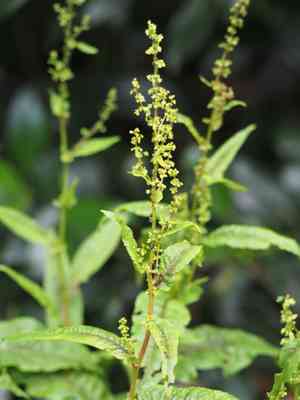
Redvein dock(Rumex sanguineus)

Redvein dock (Rumex sanguineus)

Also known as: Blood dock

Redvein dock (Rumex sanguineus) is often cultivated for its attractive foliage, featuring striking red veins that make it a popular ornamental plant. Native to Eurasia and northern Africa, it is also edible and can be a flavorful addition to various dishes.

**Culinary Uses:**
- **Salads:** The young, tender leaves add a distinctive tartness and vibrant color.
- **Soups and stews:** Incorporating the leaves can enhance the overall flavor profile.
- **Garnishes:** Use for a visually appealing and slightly tangy touch.
- **Cooked greens:** The leaves can be sautéed or steamed, similar to spinach or chard.

**Precautions:**
- **Oxalic Acid Content:** Due to its oxalic acid content, consumption should be moderate, as excessive intake may lead to stomach discomfort or exacerbate conditions like kidney stones.
- **Leaf Maturity:** Opt for young leaves, which are more tender and less bitter; older leaves can be tough and have a stronger, more bitter taste.
- **Proper Identification:** Ensure correct identification to avoid confusing it with inedible dock species.

Incorporate redvein dock thoughtfully into your diet, especially if you have pre-existing health conditions, and consult with a healthcare provider if necessary.

Attributes of Redvein dock

Lifespan
Perennial, Annual
Plant Type
Herb
Plant Height
30 cm to 46 cm
Spread
30 cm to 45 cm
Leaf Color
Green Red
Flower Size
2.5 cm
Flower Color
Green Red

PlantJoy - Identify plants with a snap

Identify and diagnose plants, get toxicity alerts, and explore safety guides for all types of fungi.

Try for Free

Images of Redvein dock

Redvein dock(Rumex sanguineus)

Quickly Identify Redvein dock

1
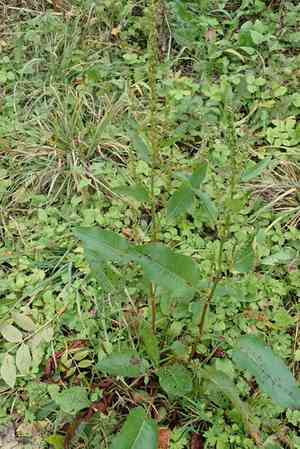
Lance-shaped leaves with red-purple veins on bright green, 4-12 inches (10-30 cm) long.
2
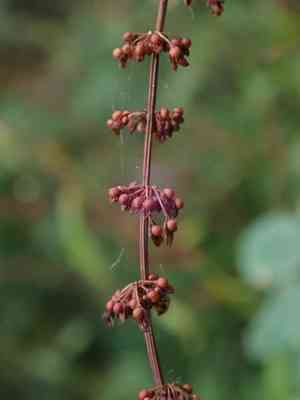
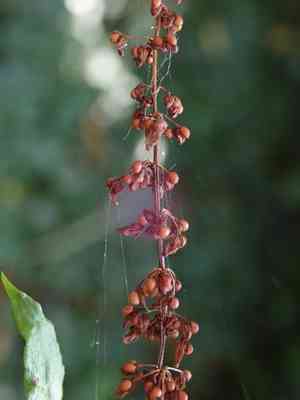
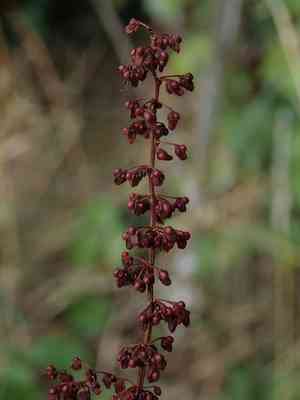
Star-shaped flowers on 2-3 feet (60-90 cm) tall stems, transitioning from green to red-brown.
3
Smooth, reddish stems around 0.2 inches (0.5 cm) thick, branching near the base.
4
Leaves exhibit glossy texture with web-like red-purple veining, margins mostly entire or finely serrated.
5
Distinctive red hue on young stems, becoming more pronounced as plant matures.

Scientific Classification of Redvein dock

Phylum
Vascular plants
Class
Dicotyledons
Order
Caryophyllales
Family
Buckwheat
Genus
Docks
Species
Redvein dock

Planting and Growing of Redvein dock

Care Difficulty
Easy
Watering Schedule
Every 8 days
Sunlight Requirements
Partial sun
Sunshine Duration
6-10 hours
Ideal Temperature
60-75℉
Soil Type
Potting Mix, Peat Mix
Soil pH
5.5-7.5
Fertilizer Type
Balanced
Pruning Season
Spring, Summer
Pruning Area
Branches, Leaves
Pruning Frequency
2 times a year
Repotting Season
Spring
Pot Type
Plastic, Ceramic

water icon How to Water Redvein dock?

For the Rumex sanguineus, ensure the soil is consistently moist but not waterlogged. Watering should be thorough, meaning you should water until it begins to drain out of the bottom of the pot, ensuring that the entire root system is reached before the next cycle.
What are the symptoms of an underwatered Redvein dock?
What should I do if my Redvein dock is not getting enough water?
What are the symptoms of an overwatered Redvein dock?
How to save an overwatered Redvein dock?
More About Watering Techniques

sunlight icon What Are the Sunlight Requirements for Redvein dock?

Sunlight Requirements: Partial sun
Duration of light: 3-6 hours daily
Rumex sanguineus thrives in partial sun, ideally exposed to 3-6 hours of indirect sunlight. This balance maximizes growth potential and leaf color richness, sustaining robust health.
Optimal Light Exposure
Balancing Light Intensity
Benefits of Ideal Lighting
More About Sunlight Requirements Techniques

temperature icon What Is the Ideal Temperature Range for Redvein dock?

Ideal Temperature: 60 ~ 75℉
To cultivate Rumex sanguineus effectively, an ideal temperature range between 60°F and 75°F is recommended. Within this range, the plant can photosynthesize efficiently and maintain optimal growth. Any fluctuations beyond this spectrum might hinder the plant's growth by affecting its physiological processes. The moderate warmth provided by this temperature range can support healthy foliage and root development.

soil icon What Soil is Best for Redvein dock?

Soil type: Loam, Sandy loam, Clay soil
Soil PH: 5.5 ~ 7.5
Rumex sanguineus thrives in loamy soil with excellent drainage. This ensures water does not stagnate, preventing root rot and enabling nutrients to be efficiently absorbed, promoting robust growth. The plant benefits from soil enriched with organic matter. This not only enhances the soil's fertility but also improves its structure, aiding in steady growth and vibrant foliage. While the soil should be well-drained, a certain level of moisture retention is crucial. It prevents the plant from drying out during hot weather, maintaining its lush appearance. More About Soil

fertilize icon How to Fertilize Redvein dock?

Fertilizer type: Balanced
For Rumex sanguineus, the fertilizer amount should be moderate to encourage optimal growth without overwhelming the plant. Liquid fertilizers should be diluted to half strength to avoid burns, while slow-release fertilizers can be applied according to the recommended amount on the package. This ensures healthy foliage and vibrant leaf colors. More About Fertilizing Techniques

prune icon How to Prune Redvein dock?

Pruning Time: Spring, Summer
Begin by removing any dead or discolored leaves at the base. Trim back any overgrown sections to maintain the desired shape. Aim to cut just above a growth node to encourage fuller growth. Regularly pruning every month during growing seasons helps keep the plant neat and promotes bushier foliage. After pruning, give your Rumex sanguineus a gentle watering to help it recover from the stress. Consider adding a balanced fertilizer to support new growth. Monitor the plant for any signs of stress or disease, addressing issues promptly to ensure robust health. More About Pruning Techniques

propagate icon How to Propagate Redvein dock plant?

Propagate Time: Spring, Early spring, Late spring
1
Fill seed trays with a quality seed starting mix, which should be moistened before sowing seeds. Place trays in a warm location with indirect sunlight.
2
Sow the seeds evenly on the surface of the seed mix. Cover lightly with a thin layer of soil or perlite and water gently to secure them in place.
3
Carefully dig up a mature plant and separate it into smaller clumps. Each division should have a healthy root system and shoot for optimal growth.
More About Propagating Techniques

repot icon How to Repot Redvein dock plant?

Repotting frequency: Every 1-2 years
1
Rumex sanguineus should be repotted when you notice roots encircling the bottom of the pot or popping out of drainage holes. These are clear signals that the plant has outgrown its current container. Another sign is if the potting mix retains moisture longer than usual, suggesting it may be too compacted.
2
Opt for a pot that is just one size larger than the existing one. A pot with drainage holes is essential to prevent root rot by allowing excess water to escape. Material choice can vary, but a breathable option like terracotta can help regulate soil moisture, reducing the risk of overwatering.
3
Select a well-draining potting mix containing components like perlite or sand. This ensures good aeration and prevents waterlogging, which can lead to root rot. A rich organic content will also provide the nutrients necessary for Rumex sanguineus to flourish.

PlantJoy - Identify plants with a snap

Find the best spots for them to optimize their health, simply using your phone.

Try for Free

Toxicity of Redvein dock

Is Redvein dock toxic to cat?

Redvein dock is identified as poisonous to felines. Cats may unintentionally consume various parts of this plant, including leaves, flowers, fruits, roots, seeds, stems, bark, or sap. Following consumption, they might display signs of physical discomfort or illness, which could range from gastrointestinal upset to more severe health complications. Due to the associated risks, it is essential for cat owners to ensure that redvein dock is kept out of their pets' reach and to monitor for any signs of distress in their cats. If a cat exhibits negative reactions after interacting with redvein dock, it is vital to seek prompt veterinary assistance.

Is Redvein dock toxic to dog?

Redvein dock is recognized as a toxic plant for dogs. If canines accidentally consume this plant, they may experience poisoning. The toxic components of redvein dock encompass nearly every part of the plant: including the leaves, flowers, fruits, roots, seeds, stems, and its sap or juice. Upon consuming any portion of redvein dock, a dog could display symptoms such as vomiting, diarrhea, lethargy, or more serious reactions depending on the quantity ingested. It is essential for dog owners to closely supervise their pets and restrict their access to redvein dock. Should a dog ingest any part of this plant, prompt veterinary intervention is vital for effectively addressing the poisoning.

Identify toxic plants for your safety

Learn which plants are harmful to you and your pets, and make informed choices for a safer home!

Try for Free
WARNING
The judgment on toxicity and danger is for reference only. We DO NOT GUARANTEE any accuracy of such judgment. Therefore, you SHALL NOT rely on such judgment. It is IMPORTANT TO SEEK PROFESSIONAL ADVICE in advance when necessary.
More About Toxic Techniques