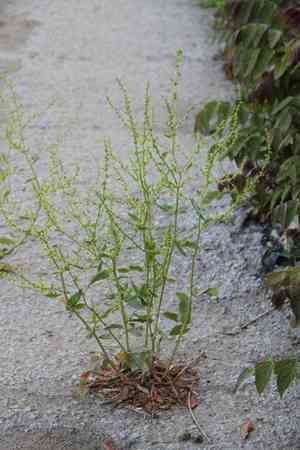
Fiddle dock (Rumex pulcher)
Also known as: Fiddleneck Dock
Fiddle dock (Rumex pulcher) is an edible weed native to North America. Its leaves, which have a mildly tangy taste, can be consumed either raw or cooked. Due to the presence of oxalic acid, it's advisable to eat them in moderation to avoid hindering nutrient absorption. Fiddle dock, belonging to the buckwheat family, features a notable long taproot.
Attributes of Fiddle dock
Images of Fiddle dock
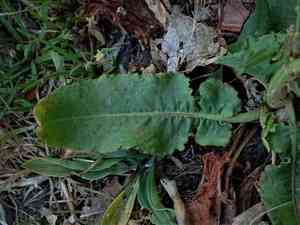
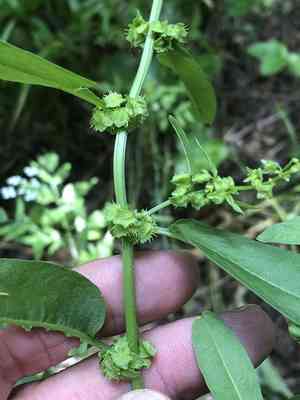
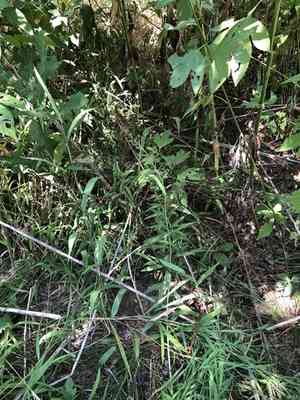
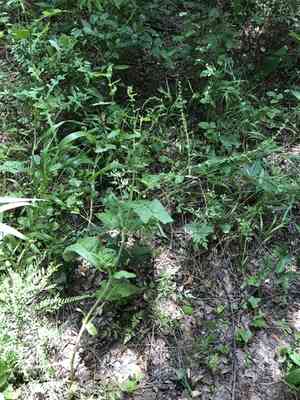
Quickly Identify Fiddle dock
Scientific Classification of Fiddle dock
Planting and Growing of Fiddle dock
 How to Water Fiddle dock?
 What Are the Sunlight Requirements for Fiddle dock?
 What Is the Ideal Temperature Range for Fiddle dock?
 What Soil is Best for Fiddle dock?
 How to Fertilize Fiddle dock?
 How to Prune Fiddle dock?
 How to Propagate Fiddle dock plant?
 How to Repot Fiddle dock plant?
Toxicity of Fiddle dock
Is Fiddle dock toxic to humans?
Fiddle dock exhibits a mild level of toxicity to humans, and the entire plant can induce adverse reactions. Direct contact with the plant may lead to skin irritations, whereas consumption could result in more serious symptoms due to the presence of oxalic acid. When ingested, individuals could experience symptoms including nausea, vomiting, abdominal discomfort, and diarrhea. The intensity of these symptoms can differ based on the amount ingested. Given that all parts of the fiddle dock contain toxic components, it is crucial to exercise caution to avert accidental ingestion, especially in non-food contexts. Awareness of the potential dangers associated with fiddle dock is essential for individuals to prevent unintentional poisoning.
Is Fiddle dock toxic to cat?
Fiddle dock presents a slight toxicity threat to cats and may cause adverse effects if they touch or inadvertently ingest any portion of the plant. The plant as a whole is rich in oxalic acid, which can result in various symptoms indicative of physical distress or illness. Should a cat come into contact with fiddle dock, be vigilant for possible signs of poisoning, which could manifest as gastrointestinal disturbances or skin irritation stemming from the plant's toxic nature. Prompt veterinary attention is essential to address any health concerns stemming from exposure to fiddle dock.
Is Fiddle dock toxic to dog?
The plant species known as fiddle dock is recognized for its moderate toxicity levels in dogs. Exposure to fiddle dock can lead to poisoning in dogs either through skin contact or accidental ingestion of the plant. Given that the entire plant is toxic, if a dog encounters or consumes any part of fiddle dock, it may show symptoms such as gastrointestinal distress, weakness, or tremors as a result of oxalic acid present in the plant. It is vital for dog owners to keep a close watch on their pets and restrict their access to areas where fiddle dock is found. Should a dog exhibit any signs of fiddle dock poisoning, it is critical to seek immediate veterinary assistance to ensure appropriate treatment and recovery.



