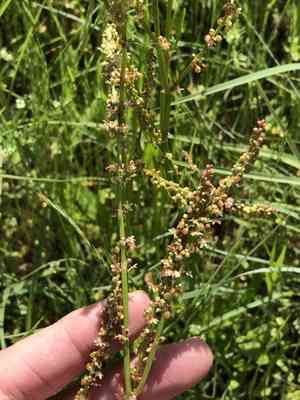
Heartwing Sorrel (Rumex hastatulus)
Also known as: Hastate-leaved Dock
**Heartwing Sorrel (Rumex hastatulus)**, related to buckwheat, is native to the eastern and southern United States. It typically grows in river valleys, meadows, and waste areas and is known for its poisonous properties.
Attributes of Heartwing Sorrel
Images of Heartwing Sorrel
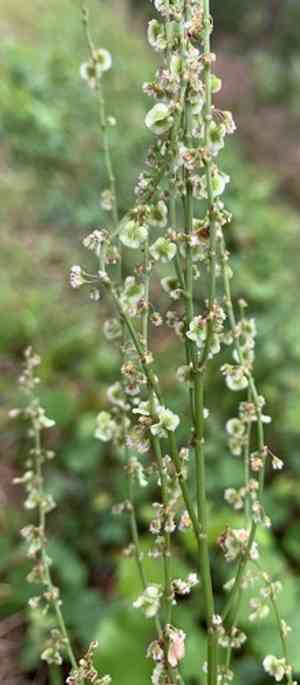
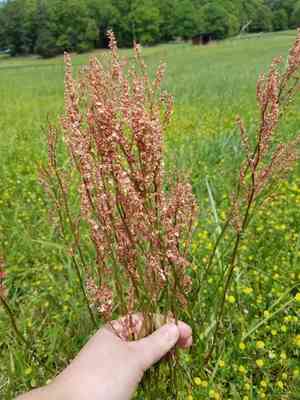
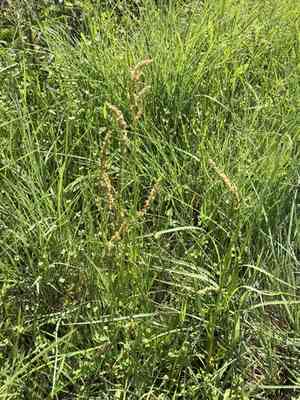
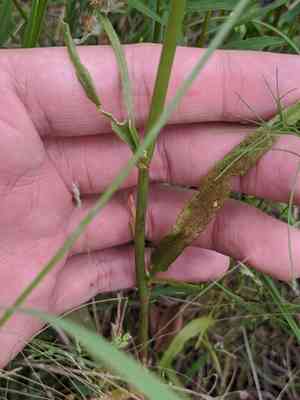
Quickly Identify Heartwing Sorrel
Scientific Classification of Heartwing Sorrel
Planting and Growing of Heartwing Sorrel
 How to Water Heartwing Sorrel?
 What Are the Sunlight Requirements for Heartwing Sorrel?
 What Is the Ideal Temperature Range for Heartwing Sorrel?
 What Soil is Best for Heartwing Sorrel?
 How to Fertilize Heartwing Sorrel?
 How to Prune Heartwing Sorrel?
 How to Propagate Heartwing Sorrel plant?
 How to Repot Heartwing Sorrel plant?
Toxicity of Heartwing Sorrel
Is Heartwing Sorrel toxic to humans?
Heartwing Sorrel presents a low-level toxicity hazard to humans, with the entire plant being able to induce negative effects. Physical contact with this plant may result in skin reactions, while consuming even minimal quantities can lead to poisoning as a result of oxalic acid. Symptoms of such poisoning can include discomfort in the mouth and throat, challenges with swallowing, nausea, vomiting, and diarrhea. In more severe circumstances, the presence of oxalates could lead to kidney stones or renal issues. It is advised that individuals take precautions to prevent accidental ingestion or extended skin exposure to heartwing Sorrel.
Is Heartwing Sorrel toxic to cat?
Heartwing Sorrel carries a low toxicity risk for cats, with the entire plant being potentially harmful. Cats may suffer from poisoning through skin contact or by inadvertently consuming any part of the plant. Upon exposure, they may exhibit general symptoms of physical distress or illness. The toxic agent responsible for these negative effects is oxalic acid. If there is any concern regarding potential poisoning from heartwing Sorrel, it is crucial to seek veterinary care promptly, as swift intervention can be vital for a cat's health and wellbeing.
Is Heartwing Sorrel toxic to dog?
Heartwing Sorrel presents a minor toxicity threat to dogs. Canines can be poisoned by this plant either through skin exposure or accidental consumption. The entire plant is toxic, and if a dog interacts with or ingests any part of it, they may show symptoms like gastrointestinal distress, weakness, or tremors, which result from the presence of oxalic acid. It is essential for dog owners to closely supervise their pets and restrict access to heartwing Sorrel. If a dog exhibits symptoms of poisoning, prompt veterinary attention is vital.



