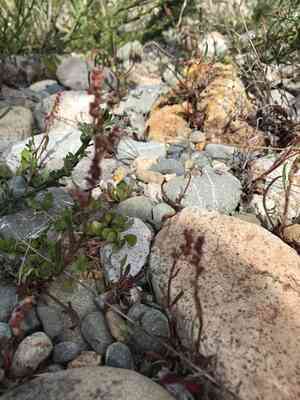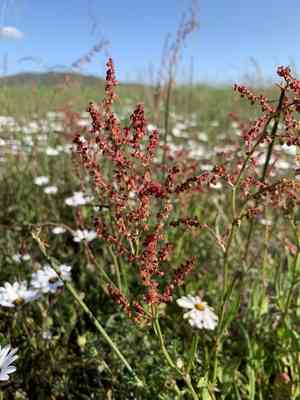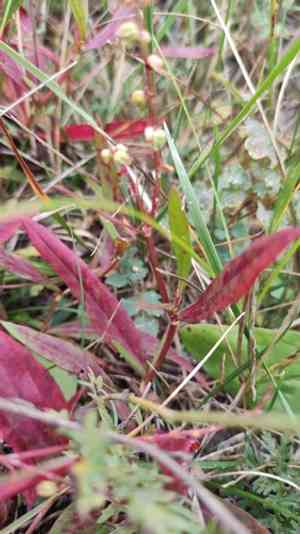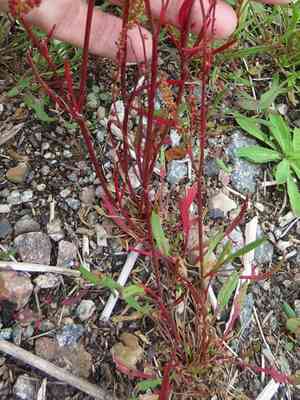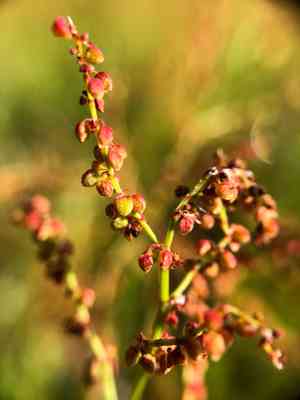
Garden sorrel(Rumex acetosella)

Garden sorrel (Rumex acetosella)

Also known as: Field sorrel

Garden sorrel (Rumex acetosella), related to buckwheat, flourishes in acidic, low-fertility soils, often colonizing areas like abandoned mines where other plants struggle to survive. It is frequently deemed a weed by farmers, posing significant challenges for blueberry crops due to its aggressive competition for nutrients and space.

Attributes of Garden sorrel

Lifespan
Perennial
Plant Type
Herb
Plant Height
50 cm
Spread
1 m
Leaf Color
Green
Flower Size
0.5 mm to 1.3 mm
Flower Color
Red Yellow Green

PlantJoy - Identify plants with a snap

Identify and diagnose plants, get toxicity alerts, and explore safety guides for all types of fungi.

Try for Free

Images of Garden sorrel

Garden sorrel(Rumex acetosella)

Quickly Identify Garden sorrel

1
Slender, angular flowering stalks with reddish tint and branching apex.
2
Distinct arrow-shaped leaves with halberd-like base lobes, smooth texture.
3
Stem grows 1-2 feet (30-60 cm) tall, angular, rough-textured with prominent ridges.
4
Sexually distinct flowers: red for females, yellowish-green for males.
5
Blooms measure 1/8 inch (3 mm) across, lack discernible scent, bloom late spring to early summer.

Scientific Classification of Garden sorrel

Phylum
Vascular plants
Class
Dicotyledons
Order
Caryophyllales
Family
Buckwheat
Genus
Docks
Species
Garden sorrel

Planting and Growing of Garden sorrel

Care Difficulty
Easy
Watering Schedule
Every 4 days
Sunlight Requirements
Full sun
Sunshine Duration
6-10 hours
Ideal Temperature
60-77℉
Soil Type
Potting Mix, Peat Mix
Soil pH
4-6.5
Fertilizer Type
Balanced
Pruning Season
Spring, Summer
Pruning Area
Branches, Leaves
Pruning Frequency
2 times a year
Repotting Season
Spring
Pot Type
Plastic, Ceramic

water icon How to Water Garden sorrel?

Rumex acetosella, commonly known as sheep sorrel, prefers moderately moist soil. When watering, ensure that the soil is consistently damp but not soggy. Water with around 200 milliliters per session, checking if the top inch of soil feels dry to touch before the next watering.
What are the symptoms of an underwatered Garden sorrel?
What should I do if my Garden sorrel is not getting enough water?
What are the symptoms of an overwatered Garden sorrel?
How to save an overwatered Garden sorrel?

sunlight icon What Are the Sunlight Requirements for Garden sorrel?

Sunlight Requirements: Full sun, Partial sun
Duration of light: 4-6 hours
Rumex acetosella ideally needs partial to full sun. Optimal light supports robust growth, vibrant leaf coloration, and healthy resilience, ensuring the plant thrives.
What is the best lighting condition for Rumex acetosella?
How can I provide ideal lighting for Rumex acetosella?
What are the benefits of providing ideal lighting for Rumex acetosella?

temperature icon What Is the Ideal Temperature Range for Garden sorrel?

Ideal Temperature: 60 ~ 77℉
The ideal temperature range for Rumex acetosella, commonly known as sheep sorrel, is between 60°F and 77°F. Within this range, the plant can perform optimally. The moderate climate helps in maintaining balanced growth, enabling the plant to utilize nutrients effectively. Extreme temperatures outside this range can cause stress or hinder plant development.

soil icon What Soil is Best for Garden sorrel?

Soil type: Sandy soil, Loam, Acidic soil
Soil PH: 4 ~ 6.5
Rumex acetosella thrives in well-drained soils that prevent waterlogging. Good drainage ensures that the roots receive adequate oxygen, reducing the risk of root rot and promoting healthy growth. While this plant can survive in low-nutrient environments, a moderately fertile soil encourages more robust growth and better leaf production. It doesn't demand heavy fertilization, making it relatively low-maintenance. Although drainage is crucial, the soil should retain some moisture to prevent wilting during dry spells. A balance between drainage and moisture retention will ensure optimal plant health.

fertilize icon How to Fertilize Garden sorrel?

Fertilizer type: Balanced
For Rumex acetosella, it is crucial not to over-fertilize. Apply a light layer of fertilizer, approximately one teaspoon per plant, ensuring it is evenly distributed around the soil without direct contact with the plant's base.

prune icon How to Prune Garden sorrel?

Pruning Time: Spring, Summer
Keep an eye on new growth frequently. Rumex acetosella can spread quickly, so timely pruning can control its expansion and prevent it from overtaking other garden plants. Rumex acetosella can be somewhat fragile. Handle the plant gently to avoid breaking any healthy stems unintentionally. This helps maintain its natural vigor and appearance.

propagate icon How to Propagate Garden sorrel plant?

Propagate Time: Spring, Early spring
1
Start by filling the seed tray with a sterile potting mix, ensuring it is evenly distributed. Lightly water the mix to create a moist environment for the seeds without oversaturating it.
2
Scatter the seeds evenly across the surface of the potting mix, then lightly press them down. Cover with a thin layer of potting mix or vermiculite, ensuring they are not buried too deeply, which can hinder germination.
3
Place the seed tray in a warm location with indirect sunlight. Ensure the soil remains moist but not waterlogged and maintain a consistent temperature to aid germination, typically around 15-20°C.

repot icon How to Repot Garden sorrel plant?

Repotting frequency: Once every two years
1
Repot your Rumex acetosella in spring or autumn when you notice the roots starting to emerge from the drainage holes or the plant exhibiting stunted growth. These signs suggest that the plant needs more space to grow and thrive. Repotting during these seasons minimizes stress on the plant and gives it a chance to settle in before extreme weather conditions. Ensure that the plant is healthy and vibrantly active before you embark on the repotting process.
2
Select a container that is one size larger than the current one, ideally with a width that allows for about an inch of growing space all around the root ball. A pot with proper drainage holes is essential to prevent waterlogging, which can lead to root rot. Opting for terracotta pots can help regulate moisture levels due to their porous nature, allowing the roots to breathe effectively.
3
Opt for a well-draining sandy loam that provides ample aeration to the roots while holding enough moisture to sustain the plant. This type of soil ensures Rumex acetosella’s roots develop quickly and healthily. Sandy loam is typically rich in nutrients, providing the plant with essential minerals, while its texture prevents excess water retention that can damage the roots.

PlantJoy - Identify plants with a snap

Find the best spots for them to optimize their health, simply using your phone.

Try for Free

Toxicity of Garden sorrel

Is Garden sorrel toxic to humans?

Poisoning from garden sorrel primarily occurs when individuals come into contact with its pollen or inadvertently consume large amounts of its leaves, which contain calcium oxalates. While the toxicity of the leaves is considered mild, excessive ingestion can result in symptoms such as tremors, excessive salivation, and diarrhea. Furthermore, this plant can elevate the chances of developing kidney stones and mineral deficiencies. The consumption of garden sorrel presents a greater risk to children and individuals suffering from conditions like kidney stones, rheumatism, and arthritis. Additionally, the pollen of garden sorrel can trigger moderate hay fever in certain individuals, whose symptoms may encompass itchy, watery eyes, runny nose, nasal congestion, sneezing, postnasal drip, and feelings of fatigue.

Is Garden sorrel toxic to cat?

Garden sorrel can be toxic to cats if ingested. If cats inadvertently munch on parts of the garden sorrel, particularly the leaves, they may suffer various adverse health effects. The intensity of these symptoms may differ, making it essential for cat owners to remain alert and monitor their pets for any indications of distress or illness from consuming this plant. Given the potential danger posed by garden sorrel, it is vital for owners to obtain prompt veterinary assistance to ensure their cat's health is properly managed in cases of poisoning.

Is Garden sorrel toxic to dog?

Garden sorrel is regarded as harmful to dogs. If consumed inadvertently, dogs can suffer from poisoning due to this plant, with the leaves being the hazardous portion. Following the ingestion of garden sorrel, a dog may display a range of symptoms that suggest poisoning. These can include vomiting, diarrhea, excessive drooling, lethargy, or alterations in urine color. It is essential for dog owners to vigilantly observe their pets and restrict access to garden sorrel to prevent accidental consumption. Should a dog consume garden sorrel, seeking prompt veterinary assistance is vital to ensure the best outcome for the animal.

Identify toxic plants for your safety

Learn which plants are harmful to you and your pets, and make informed choices for a safer home!

Try for Free
WARNING
The judgment on toxicity and danger is for reference only. We DO NOT GUARANTEE any accuracy of such judgment. Therefore, you SHALL NOT rely on such judgment. It is IMPORTANT TO SEEK PROFESSIONAL ADVICE in advance when necessary.
More About Toxic Techniques