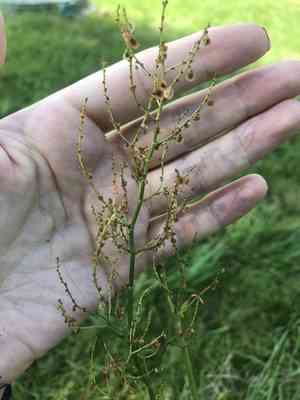
Sorrel(Rumex acetosa)

Sorrel (Rumex acetosa)

Also known as: Garden sorrel, Narrow leaved dock, Meadow sorrel

Sorrel's leaves offer a sharp, citrus-like flavor. While it is sometimes added to salads or cooked similarly to spinach, it was historically treated as a vegetable but is now more commonly regarded as a wild edible plant. You can typically find it growing on cliffs and coastal dunes.

Attributes of Sorrel

Lifespan
Perennial, Annual
Plant Type
Herb
Plant Height
40 cm to 1 m
Spread
45 cm to 60 cm
Leaf Color
Green
Flower Size
3.5 mm to 4 mm
Flower Color
Red

ForwardPlant - Identify plants with a snap

Identify and diagnose plants, get toxicity alerts, and explore safety guides for all types of fungi.

Try for Free

Images of Sorrel

Sorrel(Rumex acetosa)

Quickly Identify Sorrel

1
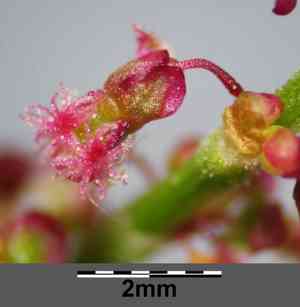
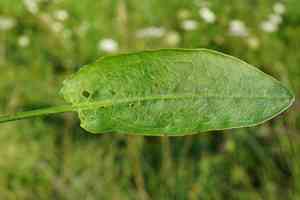
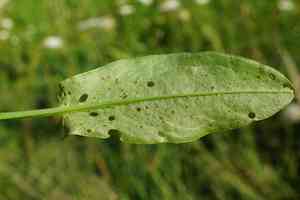
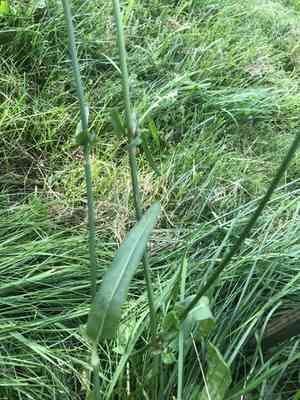
Rumex acetosa can be identified by its arrow-shaped leaves with a tangy, lemony flavor. The leaves have smooth edges and the plant produces small, reddish-green flowers on a long stem.

Scientific Classification of Sorrel

Phylum
Vascular plants
Class
Dicotyledons
Order
Pinks, cacti, and allies
Family
Buckwheat
Genus
Docks
Species
Sorrel

Planting and Growing of Sorrel

Care Difficulty
Easy
Watering Schedule
Every 4 days
Sunlight Requirements
Full sun
Sunshine Duration
4-8 hours
Ideal Temperature
60-75℉
Soil Type
Potting Mix, Peat Mix
Soil pH
5.5-7.5
Fertilizer Type
Balanced
Pruning Season
Spring, Summer
Pruning Area
Branches, Leaves
Pruning Frequency
2 times a year
Repotting Season
Spring
Pot Type
Plastic, Ceramic

water icon How to Water Sorrel?

Rumex acetosa prefers consistent moisture without being waterlogged. Watering quantity should be moderate. Typically, aim for about 150 milliliters per watering session, ensuring the soil is evenly moist but not soggy. If the top inch of soil feels dry, it's an indicator to water.
What are the symptoms of an underwatered Sorrel?
What should I do if my Sorrel is not getting enough water?
What are the symptoms of an overwatered Sorrel?
How to save an overwatered Sorrel?

sunlight icon What Are the Sunlight Requirements for Sorrel?

Sunlight Requirements: Full sun, Partial sun
Duration of light: 6 to 8 hours
Rumex acetosa thrives best in partial to full sun environments. Appropriate light fosters strong growth, vibrant foliage, and improved resistance to adverse conditions, ensuring optimal development.
Why is sunlight important for Rumex acetosa?
How to ensure ideal light conditions for Rumex acetosa?
Benefits of providing ideal sunlight for Rumex acetosa

temperature icon What Is the Ideal Temperature Range for Sorrel?

Ideal Temperature: 60 ~ 75℉
For Rumex acetosa, the ideal temperature range for optimal growth is between 60°F and 75°F. This range supports healthy leaf development and ensures the plant's vigorous growth cycle. Maintaining this temperature range helps in achieving the best yield and quality of the plant, making it crucial for gardeners aiming for robust plant health.

soil icon What Soil is Best for Sorrel?

Soil PH: 5.5 ~ 7.5
Rumex acetosa prefers well-draining soils to prevent waterlogging, which can lead to root rot. This ensures that the roots receive sufficient oxygen, promoting healthy growth and robust foliage. Though drainage is important, the soil should also retain some moisture, as Rumex acetosa enjoys consistently moist conditions. Proper moisture retention helps in continuous nutrient uptake and sustains plant vigor during dry spells. The soil should be rich in organic matter, providing a steady supply of nutrients to support the plant's lush, green leaves. This is crucial for the plant’s growth and its ability to produce flavorful foliage.

fertilize icon How to Fertilize Sorrel?

Fertilizer type: Balanced
When fertilizing Rumex acetosa, it's important to apply a balanced fertilizer sparingly. Use around 10 grams of a general-purpose granular fertilizer per square meter of soil every two months during the growing season. Be cautious not to over-fertilize, especially with nitrogen, as this can lead to lush foliage but poor flavonoids in the leaves.

prune icon How to Prune Sorrel?

Pruning Time: Spring, Summer
Start by identifying older, woodier stems that do not produce fresh leaves. These should be pruned back to encourage the growth of new, tender shoots. Shape the plant by trimming stray or excessively long stems. This helps maintain an aesthetically pleasing and compact form, allowing better air circulation through the plant. Scan the plant for leaves that are damaged or diseased and carefully remove them. This prevents the spread of disease and assists the plant in directing energy to healthy growth.

propagate icon How to Propagate Sorrel plant?

Propagate Time: Spring, Early spring
1
Begin by filling a seed tray with sterile potting mix and sowing the Rumex acetosa seeds evenly, ensuring they are lightly covered with soil. Keep the soil moist and place the tray in a warm location with indirect sunlight.
2
In early spring, when the plant is still dormant, dig up a mature Rumex acetosa to expose the root system. Use a sharp knife or trowel to divide the plant into sections, ensuring each has a viable root structure.
3
Once the seedlings have developed a few true leaves, harden them off by gradually exposing them to outdoor conditions. Then transplant them into prepared garden beds or containers, ensuring each seedling has adequate space to grow.

repot icon How to Repot Sorrel plant?

Repotting frequency: Every 1-2 years
1
You should consider repotting your Rumex acetosa when you notice its roots are starting to outgrow the current pot. The plant may begin to show signs of stunted growth, or you might observe roots growing through the drainage holes. These are clear indicators that it's time for a roomier environment.
2
Select a pot with ample drainage holes to prevent waterlogging, which can lead to root rot. Opt for a slightly larger pot, offering enough space for root expansion but not too large to avoid excessive soil retaining moisture. A terracotta pot is ideal as it absorbs excess water and helps maintain soil moisture balance.
3
Rumex acetosa thrives in a loamy, well-draining soil mix, ensuring roots have sufficient aeration. This type of soil will aid in preventing water saturation, reducing the risk of root diseases. Add some organic compost to enrich the soil, providing necessary nutrients for healthy plant growth.

ForwardPlant - Identify plants with a snap

Find the best spots for them to optimize their health, simply using your phone.

Try for Free

Toxicity of Sorrel

Is Sorrel toxic to humans?

Sorrel exhibits a mild level of toxicity in humans, as the entire plant has the potential to induce adverse effects. Exposure to or consumption of sorrel can result in poisoning due to the presence of oxalic acid. When touched or ingested, individuals may encounter symptoms such as irritation of the skin and mucous membranes. Ingestion, especially in larger amounts, can lead to more serious symptoms including abdominal pain, nausea, vomiting, and diarrhea. The intensity of symptoms correlates directly with the quantity of the plant consumed, with higher doses possibly resulting in more severe reactions. Therefore, it is crucial for individuals to exercise caution and prevent accidental consumption of sorrel, despite its mild toxicity, to mitigate any possible health risks.

Is Sorrel toxic to cat?

Sorrel contains a low degree of toxicity for felines, presenting a potential hazard if cats touch or inadvertently consume any portion of the plant. The oxalic acid found in sorrel can lead to negative reactions, resulting in symptoms of physical unease. If a cat comes into contact with or eats sorrel, it is important to vigilantly watch for any indications of sickness and quickly obtain veterinary assistance to mitigate possible health concerns. It is essential to ensure sorrel is kept away from cats to avoid any poisoning episodes.

Is Sorrel toxic to dog?

The plant species known as sorrel has been categorized as mildly toxic to dogs. Dogs can face poisoning from sorrel through either direct contact or unintentional ingestion. Every part of the plant, including the leaves, stems, and roots, is toxic, posing a hazard if a dog interacts with or consumes any portion of it. Following exposure to sorrel, dogs might show signs such as gastrointestinal distress, lethargy, or alterations in urination patterns, primarily due to the presence of oxalic acid. If you suspect your dog has ingested sorrel, it is crucial to seek immediate veterinary attention to ensure the best possible recovery for your furry friend.

Identify toxic plants for your safety

Learn which plants are harmful to you and your pets, and make informed choices for a safer home!

Try for Free
WARNING
The judgment on toxicity and danger is for reference only. We DO NOT GUARANTEE any accuracy of such judgment. Therefore, you SHALL NOT rely on such judgment. It is IMPORTANT TO SEEK PROFESSIONAL ADVICE in advance when necessary.
More About Toxic Techniques