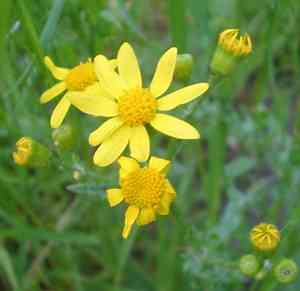
Rugel's indianplantain (Rugelia nudicaulis)
Also known as: Naked-stem Rugelia
The wildflower Rugelia, which thrives at higher elevations in the Great Smoky Mountains, is a rare species in Tennessee. Initially classified under the genera Senecio and later Cacalia, it has now been assigned to its own genus, Rugelia. The plant's genetic diversity, as determined by allozyme analysis, is notably low. This lack of genetic variation poses a significant threat to its survival, as it may struggle to adapt to environmental changes and resist diseases.
In This Article
Attributes of Rugel's indianplantain
Lifespan
Perennial
Plant Type
Herb
Plant Height
0.3 to 0.6 meters
Spread
Not applicable
Leaf Color
Green
Flower Size
Approximately 2 to 3 centimeters
Flower Color
Purple
Images of Rugel's indianplantain
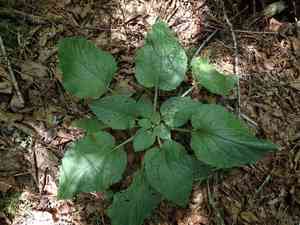
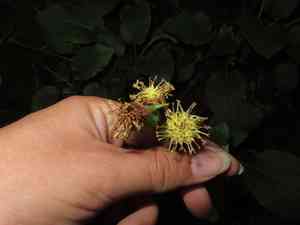
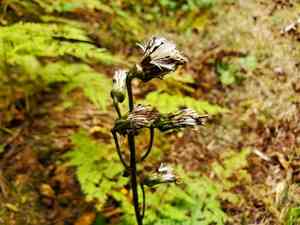
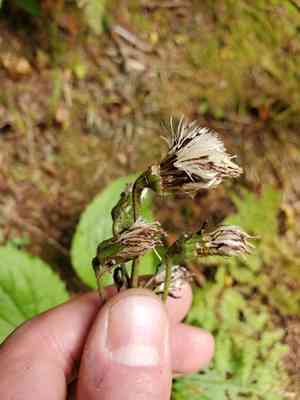
Quickly Identify Rugel's indianplantain
1
The primary identification features of Rugelia nudicaulis include its leafless stems, vibrant purple flowers, and its large, basal leaves. It typically blooms from late spring to early summer.
Scientific Classification of Rugel's indianplantain
Phylum
Vascular plants
Class
Dicotyledons
Order
Asterales
Family
Daisy
Genus
Rugel's indianplantain
Species
Rugel's indianplantain
Planting and Growing of Rugel's indianplantain
Care Difficulty
Easy
Watering Schedule
Every 3 days
Sunlight Requirements
Partial sun
Sunshine Duration
6-10 hours
Ideal Temperature
60-75℉
Soil Type
Potting Mix, Peat Mix
Soil pH
6.5-7.5
Fertilizer Type
Balanced
Pruning Season
Spring, Summer
Pruning Area
Branches, Leaves
Pruning Frequency
2 times a year
Repotting Season
Spring
Pot Type
Plastic, Ceramic
 How to Water Rugel's indianplantain?
Rugelia nudicaulis requires a moderate amount of water. Ensure the soil is evenly moist but not waterlogged, allowing it to dry slightly between waterings. This will help prevent root rot while maintaining adequate hydration.
What are the symptoms of an underwatered Rugel's indianplantain?
›
What should I do if my Rugel's indianplantain is not getting enough water?
›
What are the symptoms of an overwatered Rugel's indianplantain?
›
How to save an overwatered Rugel's indianplantain?
›
 What Are the Sunlight Requirements for Rugel's indianplantain?
Rugelia nudicaulis thrives in partial sun to full shade. This range supports optimal growth by balancing light exposure and protecting the plant from the adverse effects of overexposure.
What is the ideal lighting condition for Rugelia nudicaulis?
›
How can I achieve ideal lighting for Rugelia nudicaulis?
›
What are the benefits of ideal lighting conditions for Rugelia nudicaulis?
›
 What Is the Ideal Temperature Range for Rugel's indianplantain?
Rugelia nudicaulis thrives in a temperature range of 60°F to 75°F. This range provides a stable environment that supports photosynthesis and overall growth. Consistent temperatures within this range ensure that the plant can efficiently allocate resources for development and flowering.
 What Soil is Best for Rugel's indianplantain?
Rugelia nudicaulis thrives in well-drained soils that prevent waterlogging, providing essential aeration for root health. Proper drainage is crucial for avoiding root rot. While Rugelia nudicaulis enjoys moisture, the soil must not be consistently soggy. Balanced moisture levels support nutrient uptake and overall plant vitality. This plant prefers soils enriched with organic matter, which boosts nutrient availability, enhancing growth and bloom quality.
 How to Fertilize Rugel's indianplantain?
Rugelias are delicate plants and prefer a balanced approach to feeding. Apply liquid fertilizer at half the recommended strength to avoid overwhelming the roots. A tablespoon per gallon of water works well, ensuring nutrients are accessible without risk of burning.
 How to Prune Rugel's indianplantain?
To prune Rugelia nudicaulis, begin by inspecting the plant for any dead or yellowing leaves. Use sharp, sterilized pruning shears to carefully trim these undesirable parts close to the main stem, ensuring a clean cut to prevent infection. After clearing out the dead foliage, shape the plant by lightly trimming excess growth that disrupts its natural form. Remember to prune back to a leaf node to encourage bushier growth and a fuller appearance. Water the plant thoroughly after pruning to help it recover from the stress.
More About Pruning Techniques→
 How to Propagate Rugel's indianplantain plant?
1
Collect seeds from mature Rugelia nudicaulis plants in the late summer or autumn. Clean them from any debris and store in a cool, dry place until ready for planting in early spring.
2
For division propagation, carefully dig around the Rugelia nudicaulis plant in spring. Gently separate the rhizomes, ensuring that each section has roots attached, and replant them promptly.
3
Sow seeds in a seed tray filled with a well-draining potting mix in early spring. Lightly cover the seeds with soil and keep them moist but not waterlogged until germination.
 How to Repot Rugel's indianplantain plant?
1
Rugelia nudicaulis should be repotted when it shows signs of being root-bound, such as roots appearing at the surface or through the drainage holes, or when growth seems stunted. Spring is the best time to repot as the plant is in its active growth phase, allowing it to recover swiftly.
2
Selecting the ideal pot for Rugelia nudicaulis involves choosing one that's slightly larger than the current pot, ideally with a diameter that allows room for root expansion. Ensure it has good drainage to prevent root rot. This provides the right environment for healthy growth and avoids waterlogged conditions.
3
Opt for a well-draining soil mix that retains some moisture yet prevents waterlogging. A mix containing perlite or sand helps in achieving this balance. Such soil facilitates proper aeration, crucial for the plant's root health, and prevents issues related to excess water retention.
Learn More About Rugel's indianplantain Diseases
Anthracnose
Bacterial Leaf Spot
Bacterial Soft Rot
Bacterial Wilt
Chemical Injury
Crown Gall
Cyst Nematode
Damping-off
Downy Mildew
Drought Stress
Fusarium Wilt
Gray Mold
Leaf Curl
Leaf Spot
Mosaic
Nutrient Deficiency
Nutrient Toxicity
Powdery Mildew
Root Rot
Root-knot Nematode
Rusts
Sooty Mold
Spider Mites
Temperature Stress
Thrips Damage
White Mold



