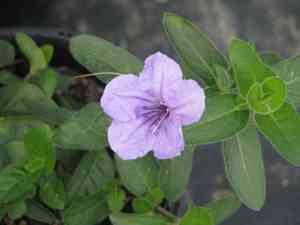
Wild petunia (Ruellia humilis)
Also known as: Fringeleaf wild petunia, Low wild petunia
A native flowering plant from the eastern and central United States, the wild petunia (Ruellia humilis) is increasingly popular in local gardens. Its leaves and stems are covered in fine hairs, and it produces tubular, petunia-like flowers either singly or in clusters from spring through fall.
In This Article
Attributes of Wild petunia
Lifespan
Perennial, Annual
Plant Type
Herb
Plant Height
30 cm to 61 cm
Spread
60 cm
Leaf Color
Green
Flower Size
4 cm to 6 cm
Flower Color
Purple Lavender
Images of Wild petunia
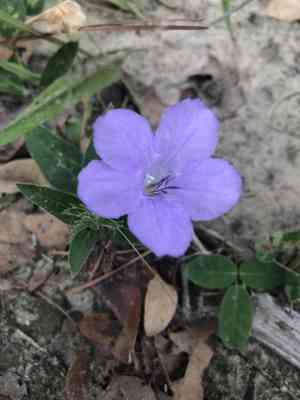
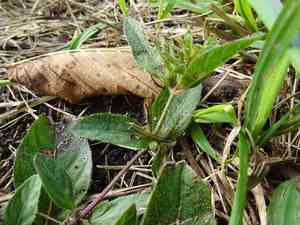
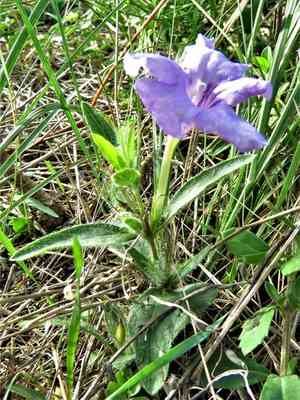
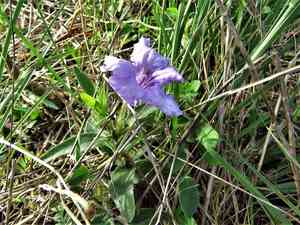
Quickly Identify Wild petunia
1
Look for hairy stems, lance-shaped leaves, and large, trumpet-shaped purple to lavender flowers. The plant typically grows in a clump and spreads slowly.
Scientific Classification of Wild petunia
Phylum
Vascular plants
Class
Dicotyledons
Order
Lamiales
Family
Acanthus
Genus
Wild petunias
Species
Wild petunia
Planting and Growing of Wild petunia
Care Difficulty
Easy
Watering Schedule
Every 2 days
Sunlight Requirements
Full sun
Sunshine Duration
6-10 hours
Ideal Temperature
68-77℉
Soil Type
Potting Mix, Peat Mix
Soil pH
6.5-7.5
Fertilizer Type
Balanced
Pruning Season
Spring, Summer
Pruning Area
Branches, Leaves
Pruning Frequency
2 times a year
Repotting Season
Spring
Pot Type
Plastic, Ceramic
 How to Water Wild petunia?
For Ruellia humilis, it's essential to monitor the soil moisture closely. The goal is to provide enough water so that the soil becomes moist but not waterlogged. Use approximately 500 ml each time and aim to reach the roots thoroughly. Make sure excess water drains away to prevent root rot.
What are the symptoms of an underwatered Wild petunia?
›
What should I do if my Wild petunia is not getting enough water?
›
What are the symptoms of an overwatered Wild petunia?
›
How to save an overwatered Wild petunia?
›
 What Are the Sunlight Requirements for Wild petunia?
Ideal for both full sun and partial sun environments, this plant benefits from a balance, enhancing its flowering and overall structural integrity.
More About Sunlight Requirements Techniques→
What is the best way to provide ideal light?
›
How can one ensure the plant receives the correct light exposure?
›
What are the benefits of proper lighting for Ruellia humilis?
›
 What Is the Ideal Temperature Range for Wild petunia?
Ruellia humilis thrives best when maintained within temperature ranges of 68 to 77 degrees Fahrenheit. This range supports optimal photosynthesis and metabolic functions, ensuring robust growth and vibrant blooms. Maintaining this consistent temperature helps in minimizing plant stress and curbing susceptibility to diseases.
 What Soil is Best for Wild petunia?
Ruellia humilis flourishes in well-drained soil. This is essential for preventing root rot, a common issue when excessive moisture surrounds the roots. Good drainage allows the plant to receive nutrients efficiently. The addition of organic compost to the soil enhances its nutrient profile, supporting the healthy growth and vibrant flowers. This plant benefits greatly from rich soil that provides essential minerals. A sandy loam texture ensures the balance between moisture retention and drainage, which is critical for Ruellia humilis. Such soil types help maintain steady growth while preventing stress on the plant.
 How to Fertilize Wild petunia?
For Ruellia humilis, use a balanced liquid fertilizer at half the recommended strength—the plant prefers a less-is-more approach. When applying granular fertilizer, use about one tablespoon per plant, ensuring it is evenly spread around the base but not in direct contact with the stems to avoid burning effects.
 How to Prune Wild petunia?
Begin by sanitizing your tools to prevent the spread of disease. Focus first on removing any dead or damaged stems close to the base of the plant. Trim back any unruly or overreaching branches to maintain a compact shape. Aim to make cuts above a leaf node to encourage new shoots. Regularly check the plant for thinning areas and adjust your cuts accordingly to promote even growth.
More About Pruning Techniques→
 How to Propagate Wild petunia plant?
1
Start by collecting mature seeds from a healthy Ruellia humilis. Clean the seeds by removing any pulp or debris, then allow them to dry in a cool, dark place before planting.
2
During early summer, cut a healthy stem section with at least two leaf nodes. Use a sterile knife to make the cut, promoting clean healing and reducing infection risk.
3
In the spring, divide mature plants by carefully digging them up and separating the root ball. Ensure each division has roots and stems to support growth when replanted.
 How to Repot Wild petunia plant?
1
Ruellia humilis should be repotted when you notice roots growing out from the drainage holes or if the plant's growth seems to have stalled. The best time is during its active growing season, typically spring or early summer, when the plant can quickly recover from the stress of repotting.
2
Select a pot that is one size larger than the current one, ensuring it has enough drainage holes. A slightly roomy pot encourages root growth without overwhelming the plant, while good drainage prevents waterlogging and root rot, promoting a healthier environment for the plant to thrive.
3
Opt for a well-draining potting mix enriched with organic matter. This mix should retain just enough moisture to support root health without becoming waterlogged. Such soil provides a perfect balance, enhancing root aeration and providing the necessary nutrients for robust growth.
Learn More About Wild petunia Diseases
Anthracnose
Bacterial Leaf Spot
Bacterial Wilt
Crown Gall
Cyst Nematode
Damping-off
Downy Mildew
Drought Stress
Fusarium Wilt
Gray Mold
Leaf Spot
Mosaic
Nutrient Deficiency
Nutrient Toxicity
Powdery Mildew
Root Rot
Root-knot Nematode
Rusts
Sooty Mold
Spider Mites
Temperature Stress
Thrips Damage
White Mold
Chemical Injury



