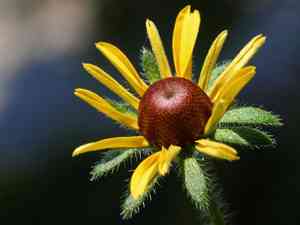
Coneflowers (Rudbeckia) (Rudbeckia)
Also known as: Black-eyed Susan, Coneflower
The coneflowers genus, part of the sunflower family, comprises several resilient perennial plants known for their striking, wide-petaled flowers that are favored by gardeners. Some well-known species within this genus include Purple Coneflower (Echinacea purpurea) and Narrow-leaved Coneflower (Echinacea angustifolia). These plants are both aesthetically pleasing and valued for their medicinal uses.
In This Article
Attributes of Coneflowers (Rudbeckia)
Lifespan
Perennial
Plant Height
1.5 m
Spread
50 cm
Leaf Color
Green
Flower Size
5-15 cm (2-6 inches)
Flower Color
Yellow, Orange
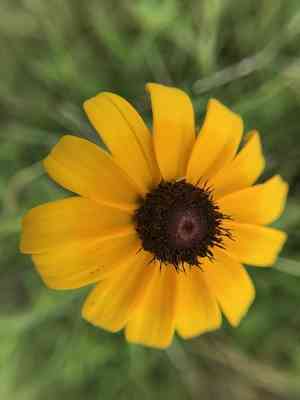
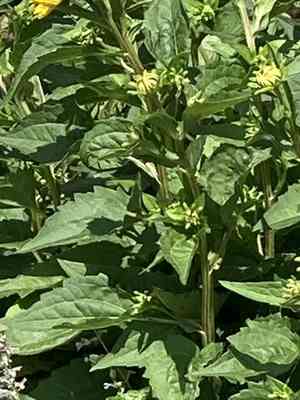
Images of Coneflowers (Rudbeckia)


Quickly Identify Coneflowers (Rudbeckia)
1
Rudbeckia can be identified by its bright daisy-like flowers with conical centers, coarse-textured leaves, and its tendency to grow in clumps.
Scientific Classification of Coneflowers (Rudbeckia)
Phylum
Magnoliophyta
Class
Magnoliopsida
Order
Asterales
Family
Asteraceae
Genus
Rudbeckia
Planting and Growing of Coneflowers (Rudbeckia)
Care Difficulty
Easy
Watering Schedule
Every 4 days
Sunlight Requirements
Full sun
Sunshine Duration
6-10 hours
Ideal Temperature
68-77℉
Soil Type
Potting Mix, Peat Mix
Soil pH
6.5-7.5
Fertilizer Type
Balanced
Pruning Season
Spring, Summer
Pruning Area
Branches, Leaves
Pruning Frequency
2 times a year
Repotting Season
Spring
Pot Type
Plastic, Ceramic
 How to Water Coneflowers (Rudbeckia)?
Rudbeckia, commonly known as Black-eyed Susan, prefers its soil to be moderately moist. This plant appreciates a well-draining soil environment. Each watering session should saturate the root zone completely, about 500 milliliters, ensuring moisture penetrates deeply. Avoid making it soggy, which could damage the roots.
What are the symptoms of an underwatered Coneflowers (Rudbeckia)?
›
What should I do if my Coneflowers (Rudbeckia) is not getting enough water?
›
What are the symptoms of an overwatered Coneflowers (Rudbeckia)?
›
How to save an overwatered Coneflowers (Rudbeckia)?
›
 What Are the Sunlight Requirements for Coneflowers (Rudbeckia)?
Rudbeckia benefits from full sun, ideally 6-8 hours of sunlight daily. Such conditions promote lush growth, vibrant flowering, and robust health, significantly enhancing its ornamental appeal.
Optimal Sunlight Exposure
›
Problem Solving for Ideal Light
›
Benefits of Ideal Lighting
›
 What Is the Ideal Temperature Range for Coneflowers (Rudbeckia)?
Rudbeckia thrives best in temperatures ranging from 68°F to 77°F. Within this optimal range, the plant can perform photosynthesis effectively, ensuring healthy growth and vibrant blooms. Maintaining these temperatures helps achieve the best balance between growth and energy use.
 What Soil is Best for Coneflowers (Rudbeckia)?
Rudbeckia thrives in well-drained soil, which helps prevent root rot and other water-related diseases. Ensuring good drainage allows the roots to access necessary oxygen and nutrients, promoting robust growth and vibrant blooming. This plant prefers loamy soils rich in organic matter. Incorporating compost or well-rotted manure enriches the soil, providing essential nutrients for healthy foliage and an abundance of flowers. Rudbeckia requires a pH between 6.5 and 7.5. This balance ensures the availability of key nutrients and minimizes nutrient lockout or toxicity, supporting optimal plant health and flowering.
 How to Fertilize Coneflowers (Rudbeckia)?
For Rudbeckia, a general recommendation is to use a balanced 10-10-10 NPK fertilizer. Apply at a rate of approximately 0.5 pounds per 100 square feet. This ensures the plant gets a balanced supply of nutrients without overloading it.
 How to Prune Coneflowers (Rudbeckia)?
Gather clean, sharp pruning shears to make smooth cuts that don't damage the plant. Start by cleaning your tools to prevent the spread of disease. Ensuring that your tools are sanitized aids in a clean cut, minimizing plant stress. Begin by cutting back any dead or diseased stems to the base of the plant. This helps in preventing infections and keeps your Rudbeckia in top shape for the next bloom cycle. It's an important first step to refresh the plant. Trim back all flower stems to the first set of leaves. This not only tidies the plant but also channels energy back into the roots, supporting robust regrowth. Such pruning can aid in boosting the plant's vitality come spring.
 How to Propagate Coneflowers (Rudbeckia) plant?
1
Begin by sowing Rudbeckia seeds in a seed tray filled with suitable potting mix. Cover the seeds lightly with soil and ensure the tray is kept in a warm, sunny location. Water the soil regularly to maintain moisture levels.
2
When propagating by cutting, select a healthy stem and use a sharp knife to cut a section just below a leaf node. Remove any lower leaves to expose the nodes, which will encourage rooting.
3
For division propagation, carefully dig up a mature Rudbeckia clump. Use your hands or a knife to separate the root ball into smaller sections, each with sufficient roots and shoots for new growth.
 How to Repot Coneflowers (Rudbeckia) plant?
1
Recognizing the right time to repot Rudbeckia is crucial. Look for signs such as roots coming out of the drainage holes, slower growth, or soil that dries out too quickly. These indicate that the plant has outgrown its current space and needs a larger pot to continue thriving.
2
Select a pot that is 1-2 inches larger in diameter than the current one. This provides enough room for growth without overwhelming the plant. Ensure the pot has adequate drainage holes to prevent waterlogging, which is essential for Rudbeckia's health.
3
Opt for a well-draining potting mix enriched with organic matter. Such soil ensures good aeration and retains moisture without becoming waterlogged, promoting healthy root development and overall plant vitality.

