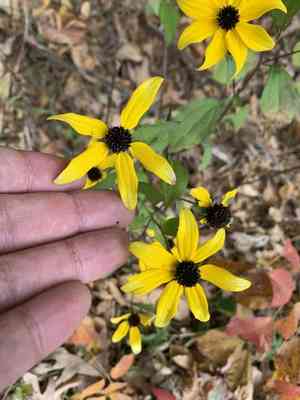
Brown-eyed susan (Rudbeckia triloba)
Also known as: Browneyed susan, Branched coneflower
Brown-eyed susan (Rudbeckia triloba) flowering plant that blooms in late summer. Brown-eyed susan can grow as a perennial or a biennial depending on the growth region. Brown-eyed susan is also called the "Thin-Leaved Coneflower," "Three-Lobed Coneflower," or "Branched Coneflower."
In This Article
Attributes of Brown-eyed susan
Lifespan
Perennial, Biennial, Annual
Plant Type
Herb
Plant Height
91 cm to 1.5 m
Spread
30 cm to 45 cm
Leaf Color
Green
Flower Size
2.5 cm to 8 cm
Flower Color
Yellow Orange Black Gold
Images of Brown-eyed susan
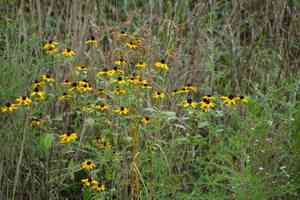

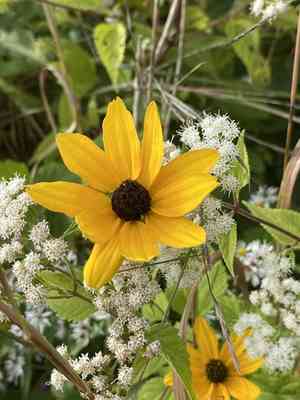
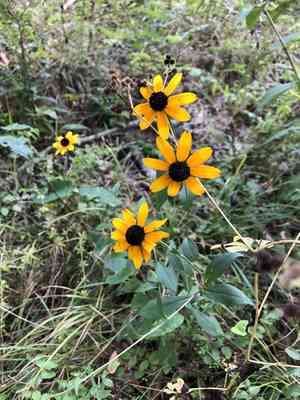
Quickly Identify Brown-eyed susan
1
Distinctive dark purple-brown centers in vivid yellow daisy-like blossoms.
2
Prominent dark brown center surrounded by bright yellow petals in 2 to 3-inch (5 to 7.5 cm) flowers.
3
Oval to oblong achenes, 0.1 inches (2-3 mm) long, with ribbed texture, maturing from green to dark brown or black.
4
Three distinct lobes on 2 to 4-inch (5 to 10 cm) long leaves, rich green color with visible veins.
5
Densely branching stems ranging from 2 to 4 feet (60 to 122 cm) in height, supporting bushy appearance.
Scientific Classification of Brown-eyed susan
Phylum
Vascular plants
Class
Dicotyledons
Order
Asterales
Family
Daisy
Genus
Coneflowers
Species
Brown-eyed susan
Planting and Growing of Brown-eyed susan
Care Difficulty
Easy
Watering Schedule
Every 8 days
Sunlight Requirements
Full sun
Sunshine Duration
6-10 hours
Ideal Temperature
60-75℉
Soil Type
Potting Mix, Peat Mix
Soil pH
6.5-7.5
Fertilizer Type
Balanced
Pruning Season
Spring, Summer
Pruning Area
Branches, Leaves
Pruning Frequency
2 times a year
Repotting Season
Spring
Pot Type
Plastic, Ceramic
 How to Water Brown-eyed susan?
When watering Rudbeckia triloba, aim to soak the soil thoroughly until excess water drains from the bottom of the pot or seeps into the ground. This method ensures the roots receive enough moisture without being waterlogged. The soil should be slightly moist but not soggy, adhering to the principle of deep watering rather than frequent shallow watering.
What are the symptoms of an underwatered Brown-eyed susan?
›
What should I do if my Brown-eyed susan is not getting enough water?
›
What are the symptoms of an overwatered Brown-eyed susan?
›
How to save an overwatered Brown-eyed susan?
›
 What Are the Sunlight Requirements for Brown-eyed susan?
Thrives in full sun to partial sun, ensuring quality blooms and healthy growth. Ideal light promotes optimal photosynthesis, robust flowering, and vibrant leaf coloration.
More About Sunlight Requirements Techniques→
What is the best way to provide ample sunlight?
›
Are there any seasonal considerations?
›
How can I enhance its growth through lighting?
›
 What Is the Ideal Temperature Range for Brown-eyed susan?
Rudbeckia triloba thrives best when grown in temperatures ranging between 60°F and 75°F. This ideal temperature range allows the plant to maintain its metabolic processes efficiently, promoting optimal growth and bloom. Consistency within this temperature range ensures that the plant does not experience stress that could inhibit flowering and overall vitality.
 What Soil is Best for Brown-eyed susan?
Rudbeckia triloba thrives in well-draining soil, preventing waterlogging that can cause root rot. This quality ensures healthy root growth and increased resilience against diseases. The plant prefers a nutrient-rich medium that supports lush foliage and vibrant blooms. Fertile soil enhances flowering potential and ensures robust plant development, providing the vital nutrients Rudbeckia demands. While Rudbeckia triloba enjoys consistent moisture, the soil should retain adequate water without becoming soggy. Proper moisture retention balances hydration with the need for airflow around roots, supporting healthy growth.
More About Soil→
 How to Fertilize Brown-eyed susan?
For Rudbeckia triloba, apply a balanced fertilizer with an N-P-K ratio like 10-10-10. If using liquid fertilizer, dilute it to half-strength to avoid burning the plant. For slow-release granules, follow package instructions, usually around 2 tablespoons per square foot.
More About Fertilizing Techniques→
 How to Prune Brown-eyed susan?
When pruning Rudbeckia triloba, pay close attention to the overall shape and health of the plant. Your goal should be to enhance its natural form while promoting growth. Avoid cutting too aggressively, as this may stunt its development. Regularly inspect the plant for signs of disease or pest damage before pruning. Removing affected areas promptly will help prevent the spread of issues. Always sanitize tools between cuts if dealing with diseased parts to maintain overall plant health.
More About Pruning Techniques→
 How to Propagate Brown-eyed susan plant?
1
Start by sowing Rudbeckia triloba seeds on the soil surface, gently pressing them into the soil without covering them too deeply. This ensures they receive adequate light for germination, as they require light to sprout effectively.
2
Maintain consistent moisture for the seeds until germination, which typically occurs within 2-3 weeks. Once seedlings are a few inches tall, thin them to prevent overcrowding, allowing the strongest to thrive with adequate space and resources.
3
For division, carefully dig up mature Rudbeckia triloba clumps in early spring or autumn. Use a sharp, clean tool to split the root mass into sections, ensuring each has several strong shoots and healthy roots before replanting.
 How to Repot Brown-eyed susan plant?
1
Repotting Rudbeckia triloba is ideal when you notice roots coming out of the drainage holes or the plant's growth appearing stunted. These are clear indicators that the roots have outgrown their current space and need a fresh pot to encourage healthy growth and flourishing blooms.
2
Select a pot that is one size larger than the current one, ensuring it has drainage holes to prevent waterlogging. A slightly larger pot allows for root expansion and helps maintain the right moisture levels, which is crucial for the plant’s vibrant growth and stability.
3
Opt for a loamy soil mix that provides both good drainage and retains some moisture. This type of soil ensures the roots are well-aerated while keeping the necessary nutrients close, essential for the robust health and bloom vitality of Rudbeckia triloba.
Learn More About Brown-eyed susan Diseases
Anthracnose
Bacterial Leaf Spot
Bacterial Soft Rot
Bacterial Wilt
Black Spot
Chemical Injury
Crown Gall
Cyst Nematode
Damping-off
Downy Mildew
Drought Stress
Fusarium Wilt
Gray Mold
Leaf Spot
Mosaic
Nutrient Deficiency
Nutrient Toxicity
Powdery Mildew
Root Rot
Root-knot Nematode
Rusts
Sooty Mold
Spider Mites
Temperature Stress
Thrips Damage
White Mold



