
Cutleaf coneflower (Rudbeckia laciniata)
Also known as: Thimbleweed, Sochan
The Cutleaf Coneflower (Rudbeckia laciniata) resembles the Sunflower and Black-eyed Susan but is distinguished by its greenish-yellow center and back-tilted rays. This plant is a crucial food source for honeybees, butterflies, and songbirds. Additionally, its early spring leaves can be boiled to create tasty greens.
Attributes of Cutleaf coneflower
Images of Cutleaf coneflower
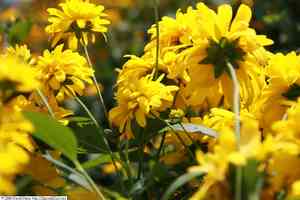
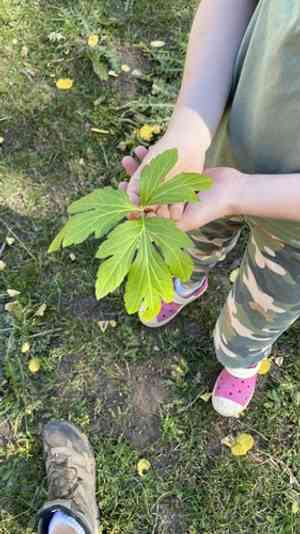
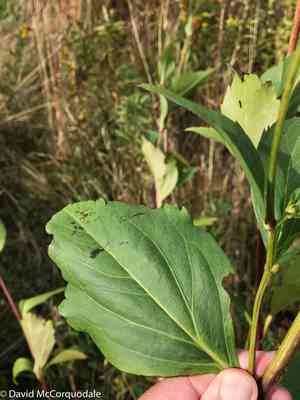
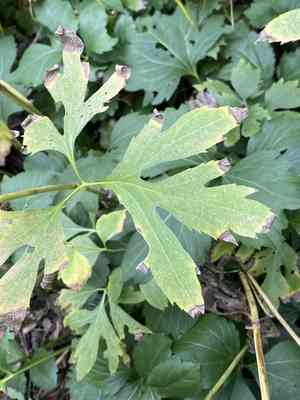
Quickly Identify Cutleaf coneflower
Scientific Classification of Cutleaf coneflower
Planting and Growing of Cutleaf coneflower
 How to Water Cutleaf coneflower?
 What Are the Sunlight Requirements for Cutleaf coneflower?
 What Is the Ideal Temperature Range for Cutleaf coneflower?
 What Soil is Best for Cutleaf coneflower?
 How to Fertilize Cutleaf coneflower?
 How to Prune Cutleaf coneflower?
 How to Propagate Cutleaf coneflower plant?
 How to Repot Cutleaf coneflower plant?
Toxicity of Cutleaf coneflower
Is Cutleaf coneflower toxic to cat?
The plant species commonly referred to as cutleaf coneflower has been recognized as toxic to felines. Even minimal ingestion can result in unintentional poisoning if a cat consumes any parts of the cutleaf coneflower, as the whole plant possesses toxic characteristics. Following exposure, a cat may show signs of physical distress, which can appear as illness or discomfort, raising significant concerns for their wellbeing. Pet owners should vigilantly monitor their animals to prevent ingestion and ensure that these plants are positioned safely out of reach. Should there be any suspicion of a cat ingesting cutleaf coneflower, it is vital to seek prompt veterinary attention to manage and alleviate the cat's condition.
Is Cutleaf coneflower toxic to dog?
The cutleaf coneflower is identified as toxic to dogs. Canines may unintentionally consume portions of this plant, resulting in poisoning. Every part of the plant, including the leaves, stems, flowers, and roots, contains harmful substances that can pose a risk to dogs if ingested. Following consumption of cutleaf coneflower, dogs may show signs such as vomiting, diarrhea, lethargy, or more severe symptoms depending on the quantity consumed. It is imperative for dog owners to closely supervise their pets and restrict their access to this plant. Should there be any suspicion of poisoning from cutleaf coneflower, obtaining immediate veterinary assistance is vital to safeguard the health and well-being of the affected dog.



