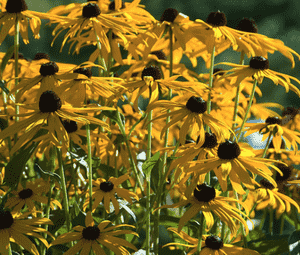
Orange coneflower (Rudbeckia fulgida)
Also known as: Prairie coneflower, Black-eyed susan
The orange coneflower, a perennial flowering plant native to eastern North America, is scientifically known as *Rudbeckia fulgida*. This name honors Olaus Rudbeck, a mentor to the renowned botanist Linnaeus, and reflects the plant's "glistening" appearance. Finches particularly enjoy feeding on its seeds.
In This Article
Attributes of Orange coneflower
Lifespan
Perennial, Annual
Plant Type
Herb
Plant Height
1.2 m
Spread
35 cm to 40 cm
Leaf Color
Green
Flower Size
5 cm to 6 cm
Flower Color
Yellow Gold Brown Orange
Images of Orange coneflower
Quickly Identify Orange coneflower
1
Distinctive flower heads with a brown to black flattened dome at the center.
2
Bright yellow or orange ray flowers in a single row, creating a stark contrast.
3
Erect branched stem covered in coarse, stiff hairs, reaching up to 2.5 feet (76 cm).
4
Ovate to ovate lanceolate leaves in a basal rosette, up to 5 inches (12.7 cm) long.
5
Ray florets measuring 1 to 3 inches (2.5 to 7.6 cm) in width with a purple-brown central disk.
Scientific Classification of Orange coneflower
Phylum
Vascular plants
Class
Dicotyledons
Order
Asterales
Family
Daisy
Genus
Coneflowers
Species
Orange coneflower
Planting and Growing of Orange coneflower
Care Difficulty
Easy
Watering Schedule
Every 4 days
Sunlight Requirements
Full sun
Sunshine Duration
4-8 hours
Ideal Temperature
60-75℉
Soil Type
Potting Mix, Peat Mix
Soil pH
6.5-7.5
Fertilizer Type
Balanced
Pruning Season
Spring, Summer
Pruning Area
Branches, Leaves
Pruning Frequency
2 times a year
Repotting Season
Spring
Pot Type
Terracotta, Plastic
 How to Water Orange coneflower?
Water Rudbeckia fulgida deeply to ensure the roots receive sufficient moisture, aiming to saturate the soil without causing standing water. Approximately 500 ml is a good amount for each session, but this might vary depending on weather conditions and soil type. The goal is to maintain consistently moist, but not waterlogged soil.
More About Watering Techniques→
What are the symptoms of an underwatered Orange coneflower?
›
What should I do if my Orange coneflower is not getting enough water?
›
What are the symptoms of an overwatered Orange coneflower?
›
How to save an overwatered Orange coneflower?
›
 What Are the Sunlight Requirements for Orange coneflower?
Rudbeckia fulgida's ideal light range spans full sun to partial sun, with 6 to 8 hours of sunlight. Such conditions promote robust growth and abundant flower production, enhancing the plant's ornamental appeal.
More About Sunlight Requirements Techniques→
What is the ideal lighting condition for Rudbeckia fulgida?
›
How can one ensure Rudbeckia fulgida gets ideal light?
›
What are the benefits of ideal light for Rudbeckia fulgida?
›
 What Is the Ideal Temperature Range for Orange coneflower?
For Rudbeckia fulgida, the ideal temperature range for optimum growth is between 60°F to 75°F. This range allows the plant to thrive and produce the best blooms. Maintaining temperatures within this range ensures that the plant's metabolic processes function efficiently, supporting healthy growth and flowering.
 What Soil is Best for Orange coneflower?
Rudbeckia fulgida thrives best in well-draining soil to prevent waterlogging, which can lead to root rot. Ensuring proper drainage promotes healthy root development and stronger plant growth. This plant benefits greatly from soil rich in organic matter. Adding compost or well-rotted manure can boost nutrient levels, supporting vibrant blooms and lush foliage. While it's drought-tolerant once established, Rudbeckia fulgida prefers consistent moisture levels. Mulching helps maintain the needed soil moisture, promoting optimal plant health and flower production.
More About Soil→
 How to Fertilize Orange coneflower?
Rudbeckia fulgida thrives best when provided with the right amount of nutrients. When using liquid fertilizer, ensure you dilute it to half the recommended strength to avoid overpowering the plant. Apply around 1 gallon per 100 square feet, which provides ample nourishment without risking root burn.
More About Fertilizing Techniques→
 How to Prune Orange coneflower?
Remove spent flowers regularly by cutting the flower stem back to the nearest leaf or bud. This redirects the plant's energy into producing more blooms instead of seed production. Make clean cuts to enhance healing and prevent disease. At the end of the blooming season, typically in autumn, cut the whole plant back to about a few inches above the ground. This helps to clear dead growth and prepares the plant for strong regrowth in the spring.
More About Pruning Techniques→
 How to Propagate Orange coneflower plant?
1
Wait until the flower heads have dried and seeds have matured. Gently remove the seeds and allow them to dry completely before planting.
2
Select healthy, non-flowering stems from the plant. Use sterilized pruning shears to cut the stems below a node and remove the lower leaves.
3
Carefully dig up the entire plant, preserving as much root structure as possible. Use a spade to divide the clump into smaller sections with healthy roots and shoots for replanting.
 How to Repot Orange coneflower plant?
1
Rudbeckia fulgida needs repotting when you notice roots crowding out of the pot's drainage holes, indicating it's becoming root-bound. Another signal is if the plant's growth rate diminishes despite optimal care, suggesting it's time for a roomier pot. Choose spring or autumn to repot for less stress on the plant.
2
Select a pot slightly larger in diameter than the current one, ensuring it has adequate drainage holes. A pot that's too big can lead to excessive soil moisture and root rot. Terra cotta pots are ideal due to their porous nature, allowing air exchange and preventing overwatering for healthier root systems.
3
Opt for a well-draining potting mix enriched with organic matter. A mix that retains some moisture yet allows excess water to escape is perfect, preventing waterlogging and promoting robust root growth. This balance ensures the plant receives necessary nutrients while avoiding root rot.
Learn More About Orange coneflower Diseases
Anthracnose
Bacterial Leaf Spot
Bacterial Soft Rot
Bacterial Wilt
Black Spot
Chemical Injury
Crown Gall
Damping-off
Downy Mildew
Drought Stress
Fusarium Wilt
Gray Mold
Leaf Spot
Mosaic
Nutrient Deficiency
Nutrient Toxicity
Powdery Mildew
Root Rot
Root-knot Nematode
Rusts
Sooty Mold
Spider Mites
Temperature Stress
Thrips Damage
White Mold



