
New mexico raspberry (Rubus neomexicanus)
Also known as: New Mexico raspberry, Canyon raspberry
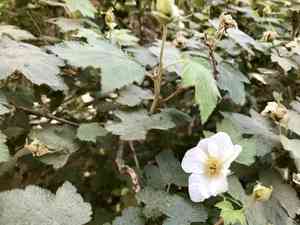
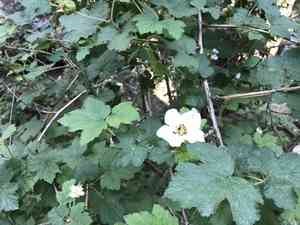
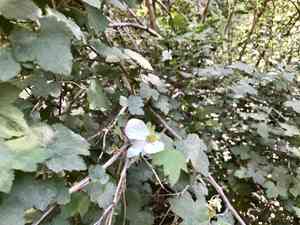
Despite not having the typical rose-like appearance or thorns, the New Mexico raspberry (Rubus neomexicanus) is part of the rose family (Rosaceae). This plant produces small white flowers that eventually turn into red berries. It is native to the southwestern United States, which is reflected in its name.
In This Article
Attributes of New mexico raspberry
Lifespan
Perennial
Plant Type
Shrub
Plant Height
3 m
Spread
Approximately 1 meter (3 feet)
Leaf Color
Green
Flower Size
1-2 cm (0.4-0.8 inches)
Flower Color
White Yellow
Images of New mexico raspberry

Quickly Identify New mexico raspberry
1
Rubus neomexicanus can be identified by its thornless or nearly thornless stems, pinnate compound leaves with toothed leaflets, white to pale pink flowers, and small red raspberries. The plant typically grows up to 1.5 meters tall and produces fruit in the summer.
Scientific Classification of New mexico raspberry
Phylum
Vascular plants
Class
Dicotyledons
Order
Rosales
Family
Rose
Genus
Brambles
Species
New mexico raspberry
Planting and Growing of New mexico raspberry
Care Difficulty
Easy
Watering Schedule
Every 3 days
Sunlight Requirements
Partial sun
Sunshine Duration
4-6 hours
Ideal Temperature
60-75℉
Soil Type
Potting Mix, Peat Mix
Soil pH
6.5-7.5
Fertilizer Type
Balanced
Pruning Season
Spring, Summer
Pruning Area
Branches, Leaves
Pruning Frequency
2 times a year
Repotting Season
Spring
Pot Type
Plastic, Ceramic
 How to Water New mexico raspberry?
Rubus neomexicanus requires sufficient water to keep the soil consistently moist but not waterlogged. A typical watering session should involve around 500 milliliters of water. Ensure the water penetrates to the root zone without pooling at the surface. This allows the roots to absorb moisture effectively without the risk of rot.
What are the symptoms of an underwatered New mexico raspberry?
›
What should I do if my New mexico raspberry is not getting enough water?
›
What are the symptoms of an overwatered New mexico raspberry?
›
How to save an overwatered New mexico raspberry?
›
 What Are the Sunlight Requirements for New mexico raspberry?
Half-day to full-day indirect sunlight, such as partial sun exposure, is ideal for Rubus neomexicanus. Under these conditions, the plant can efficiently photosynthesize, leading to robust growth and superior fruit yield.
Ideal Light Intensity
›
Solution for Optimal Sunlight
›
Benefits of Getting Ideal Sunlight
›
 What Is the Ideal Temperature Range for New mexico raspberry?
Rubus neomexicanus thrives best in a temperature range of 60-75°F. This range supports optimal photosynthesis, promoting robust growth and fruit production. Maintaining consistent temperatures within this range will yield the healthiest plants.
 What Soil is Best for New mexico raspberry?
Rubus neomexicanus thrives in well-drained soil, preventing root rot and promoting vigorous growth. Well-drained soil ensures the roots get enough oxygen, which is crucial for nutrient uptake and overall plant health. Additionally, it helps the plant manage water effectively, preventing over-saturation during rainy periods. While the soil should be well-drained, it must also retain some moisture. This balance allows the plant to have a consistent water supply without the risk of waterlogging. It's particularly beneficial during dry spells, ensuring the plant remains hydrated and healthy. Nutrient-rich soil enhances the growth and fruit production of Rubus neomexicanus. Enriched soil provides essential nutrients that support strong root development and robust plant vigour, contributing to a bountiful production of berries.
 How to Fertilize New mexico raspberry?
For Rubus neomexicanus, use a balanced 10-10-10 fertilizer. For liquid fertilizers, mix one tablespoon of fertilizer per gallon of water. Apply the solution evenly across the root zone to ensure the plant receives sufficient nutrients.
 How to Prune New mexico raspberry?
To prune Rubus neomexicanus effectively, begin by removing any dead, damaged, or diseased canes at their base. Next, thin out older canes to stimulate new growth, retaining only the strongest and healthiest ones. This approach helps improve air circulation and sunlight penetration, enhancing overall plant vigor and fruit yield. Remember to always make clean cuts above a bud or a branch to foster proper regeneration.
More About Pruning Techniques→
 How to Propagate New mexico raspberry plant?
1
Collect ripe seeds from healthy Rubus neomexicanus plants. Clean the seeds to remove any pulp and allow them to dry before planting. Stratify the seeds by placing them in a moist medium and refrigerating for 4-6 weeks to break dormancy.
2
Select healthy stems from the current year's growth for cuttings. Cut a 5-6 inch stem piece using sanitized pruning shears. Remove lower leaves to reduce water loss and dip the cut end in rooting hormone.
3
Carefully dig up the parent plant and separate it into smaller sections with roots attached. Use a sharp knife to ensure clean cuts between divisions, minimizing damage for better establishment.
 How to Repot New mexico raspberry plant?
1
Repot Rubus neomexicanus when you notice roots emerging from drainage holes or the growth significantly slows down. These are key indicators that the plant requires more space for root expansion, ensuring continued healthy growth.
2
Choose a pot that is 2-3 inches larger in diameter than the current one. Ensure it has adequate drainage holes to prevent waterlogging, which can lead to root rot. A slightly porous material, like terracotta, helps with moisture control.
3
Opt for a well-draining loamy soil mix rich in organic matter. This kind of soil offers optimal aeration and nutrient availability, crucial for the vigorous growth and health of Rubus neomexicanus.



