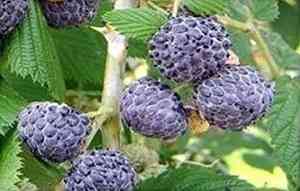
Whitebark Raspberry (Rubus leucodermis)
Also known as: Blue Raspberry, Black Raspberry
The whitebark raspberry, known scientifically as *Rubus leucodermis*, is a raspberry variety native to western North America. It is commercially cultivated for its dye and is also popular in gardens for its tasty fruit. Additionally, it is harvested in the wild by both humans and various animals, including many birds and mammals. Be cautious of its thorns!
In This Article
Attributes of Whitebark Raspberry
Lifespan
Perennial
Plant Type
Shrub
Plant Height
91 cm to 2 m
Spread
50 cm to 2 m
Leaf Color
Green Red Gold Brown
Flower Size
2 cm to 3 cm
Flower Color
White Pink
Images of Whitebark Raspberry
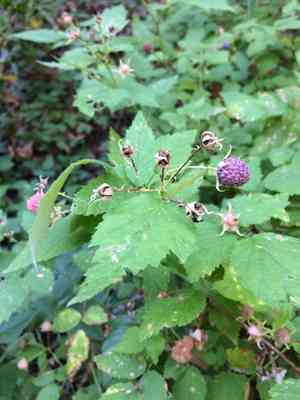
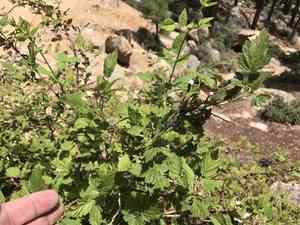
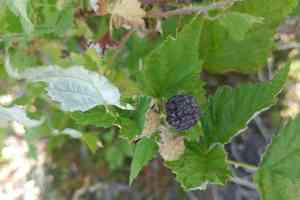
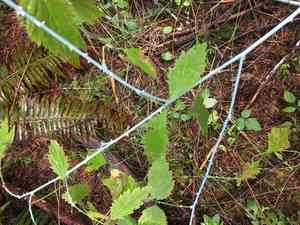
Quickly Identify Whitebark Raspberry
1
This plant can be identified by its white-grey stems covered with small prickles, trifoliate or palmately compound leaves, and blue to black aggregate fruit made up of smaller drupelets.
Scientific Classification of Whitebark Raspberry
Phylum
Vascular plants
Class
Dicotyledons
Order
Rosales
Family
Rose
Genus
Brambles
Species
Whitebark Raspberry
Planting and Growing of Whitebark Raspberry
Care Difficulty
Easy
Watering Schedule
Every 4 days
Sunlight Requirements
Full sun
Sunshine Duration
4-8 hours
Ideal Temperature
55-70℉
Soil Type
Potting Mix
Soil pH
6.5-7.5
Fertilizer Type
Balanced
Pruning Season
Spring, Summer
Pruning Area
Branches, Leaves
Pruning Frequency
Once a year
Repotting Season
Spring
Pot Type
Plastic, Ceramic
 How to Water Whitebark Raspberry?
Rubus leucodermis, also known as the whitebark raspberry, requires moderate watering. Aim to deliver 500 ml of water per session, ensuring that the soil is moist but not soggy. The key is to maintain a balance, keeping the roots hydrated without waterlogging them. Check that the top few inches of soil are moderately damp after watering.
What are the symptoms of an underwatered Whitebark Raspberry?
›
What should I do if my Whitebark Raspberry is not getting enough water?
›
What are the symptoms of an overwatered Whitebark Raspberry?
›
How to save an overwatered Whitebark Raspberry?
›
 What Are the Sunlight Requirements for Whitebark Raspberry?
Rubus leucodermis thrives in full to partial sun. Ideal light promotes vigorous growth, better fruit yield, and robust foliage development.
More About Sunlight Requirements Techniques→
Optimal Sun Exposure
›
Creating Ideal Conditions
›
Benefits of Ideal Light
›
 What Is the Ideal Temperature Range for Whitebark Raspberry?
For optimal growth, Rubus leucodermis thrives best in mild temperatures ranging from 55°F to 70°F (13°C to 21°C). These conditions allow for ideal metabolic functions and energy production necessary for photosynthesis, encouraging robust growth and healthy development.
 What Soil is Best for Whitebark Raspberry?
Rubus leucodermis thrives in well-draining soil, which prevents waterlogging and root rot. This type of soil ensures that the roots receive enough oxygen and the plant grows vigorously. While well-draining is crucial, the soil should also retain enough moisture to keep the plant hydrated. This balance helps sustain the plant during dry periods, promoting healthy growth. The plant benefits from nutrient-rich soil that provides essential minerals and nutrients. Adding organic matter like compost can enhance soil fertility, boosting the plant's development and fruiting capabilities.
More About Soil→
 How to Fertilize Whitebark Raspberry?
For Rubus leucodermis, ensure that you apply fertilizer at a moderate rate. A general guideline is to use about 1/2 cup of balanced 10-10-10 liquid fertilizer per plant monthly during the growing season. Be cautious not to over-apply, as it can lead to nutrient runoff and damage the plant's roots.
More About Fertilizing Techniques→
 How to Prune Whitebark Raspberry?
Start by removing dead or damaged canes at the base. Then, identify two-year-old canes that have fruited and prune them down. Encourage healthy growth by cutting back weak and crowded canes, leaving about 3-5 of the strongest per plant. Make angled cuts just above a bud to encourage new growth. After pruning, apply a balanced fertilizer to boost new growth. Mulch around the base of the plant to retain moisture and suppress weeds. Monitor for signs of disease and pests regularly.
More About Pruning Techniques→
 How to Propagate Whitebark Raspberry plant?
1
Select healthy parent plants and use pruning shears to cut 6-8 inch long stems. Remove the lower leaves, dip the cut end in rooting hormone, and place them in a moist substrate. Monitor for any signs of disease or mold during this process.
2
Harvest seeds from ripe berries and clean them to remove the pulp. Once cleaned, sow the seeds in a pot of quality seed-starting mix. Cover lightly with soil and mist with water. Keep the soil moist and place the pots in a warm location with indirect sunlight.
3
Choose a healthy branch from the plant, bend it to the ground, and cover a part of it with soil. Make a small downward cut on the stem where it touches the soil to stimulate root growth. Secure it in place using a garden staple.
 How to Repot Whitebark Raspberry plant?
1
Look for signs like roots growing through drainage holes, soil drying out quickly, or stunted growth. These indicate that Rubus leucodermis needs more room and nutrients to flourish.
2
Select a pot that is 1-2 inches larger in diameter than the current one. This gives ample space for roots to expand without overwhelming the plant, promoting healthy growth and stability.
3
Opt for a well-draining potting mix composed of loamy soil with added perlite or vermiculite. This ensures efficient water retention and aeration, preventing root rot and ensuring stable growth.



