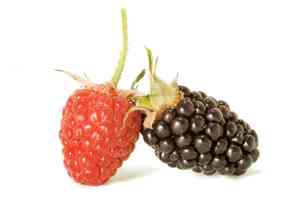
Oldfield blackberry (Rubus alumnus)
Also known as: Alumnus Raspberry
Classifying species within the Rubus genus presents significant challenges due to the intricate genetic structure of these plants. Determining which groups qualify as distinct species is complicated by several factors. Many Rubus species are rare and have limited geographical ranges, adding to the complexity. Continuous research and more detailed genetic studies are essential to better understand and clarify the taxonomy of this diverse genus.
In This Article
Attributes of Oldfield blackberry
Lifespan
Perennial
Plant Type
Shrub
Plant Height
1-3 meters
Spread
1-2 meters
Leaf Color
Green
Flower Size
1-2 centimeters
Flower Color
White or pink
Images of Oldfield blackberry
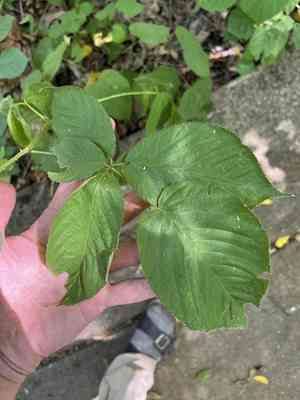
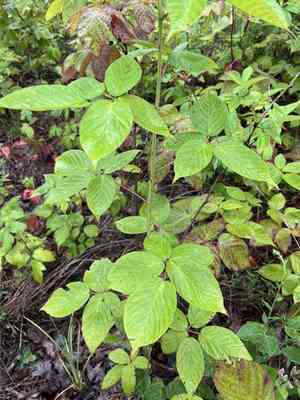
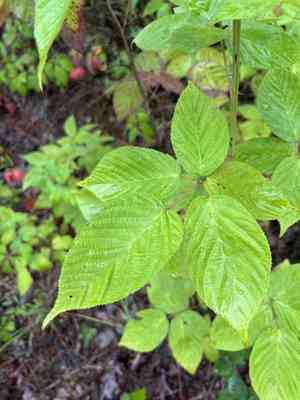
Quickly Identify Oldfield blackberry
1
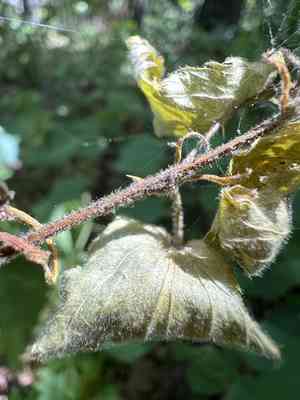
Rubus alumnus can be identified by its prickly stems, compound leaves, and aggregate fruit that turns red when ripe.
Scientific Classification of Oldfield blackberry
Phylum
Vascular plants
Class
Dicotyledons
Order
Rosales
Family
Rose
Genus
Brambles
Species
Oldfield blackberry
Planting and Growing of Oldfield blackberry
Care Difficulty
Moderate
Watering Schedule
Every 2 days
Sunlight Requirements
Full sun
Sunshine Duration
6-10 hours
Ideal Temperature
59-77℉
Soil Type
Potting Mix, Peat Mix
Soil pH
6.5-7.5
Fertilizer Type
Balanced
Pruning Season
Spring, Summer
Pruning Area
Branches, Leaves
Pruning Frequency
2 times a year
Repotting Season
Spring
Pot Type
Plastic, Ceramic
 How to Water Oldfield blackberry?
For Rubus alumnus, it's essential to water thoroughly yet infrequently. Aim for soil moisture without waterlogging; around 500 ml per session ensures adequate hydration while preventing root rot.
What are the symptoms of an underwatered Oldfield blackberry?
›
What should I do if my Oldfield blackberry is not getting enough water?
›
What are the symptoms of an overwatered Oldfield blackberry?
›
How to save an overwatered Oldfield blackberry?
›
 What Are the Sunlight Requirements for Oldfield blackberry?
Rubus alumnus ideally grows under full sun conditions. This lighting encourages vigorous growth, optimal fruit production, and improved resilience against pests and diseases.
How much light does Rubus alumnus need?
›
How to ensure Rubus alumnus gets enough light?
›
What are the benefits of ideal light conditions for Rubus alumnus?
›
 What Is the Ideal Temperature Range for Oldfield blackberry?
Rubus alumnus thrives best in temperature ranges between 59°F and 77°F. This temperature span ensures optimal enzymatic activity and physiological processes necessary for robust growth and fruit development.
 What Soil is Best for Oldfield blackberry?
Rubus alumnus thrives best in well-drained soils that prevent waterlogging and root rot. A well-drained soil composition enhances root respiration and nutrient absorption, thereby promoting vigorous plant growth and fruit production. This plant appreciates soil enriched with organic matter. Incorporating compost can enhance soil structure, retain moisture, and provide essential nutrients, creating an optimal environment for Rubus alumnus to flourish and produce quality fruits. While drainage is critical, maintaining adequate soil moisture is equally important. Loamy soils provide the perfect balance, allowing sufficient water retention to support robust plant growth during dry spells.
 How to Fertilize Oldfield blackberry?
Rubus alumnus prefers a balanced approach to fertilization. When applying liquid fertilizer, use a concentration of 50% of the recommended amount for houseplants. For slow-release granules, apply around 25 grams per square meter to ensure a gentle, continuous nutrient supply.
 How to Prune Oldfield blackberry?
Start by cutting back old canes that have already fruited, making way for new cane growth. Trim long or unruly canes to encourage bushier growth. Focus on maintaining an open center to improve air circulation, which reduces the risk of disease. Although pruning can be done year-round, avoid pruning during extreme weather, such as intense heat or frost. Optimal conditions ensure quicker healing and reduce the risk of shock. Always consider local weather patterns before scheduling a pruning session.
 How to Propagate Oldfield blackberry plant?
1
Choose healthy, disease-free stems from the parent plant. Look for stems with several growth nodes and avoid any that show signs of pest damage or disease as they are less likely to thrive.
2
Ensure a clean cut just below a node to include as many growth points as possible. Remove excess leaves to minimize water loss and allow the cutting to focus energy on root development.
3
Dip the base of the cutting in rooting hormone, then place it in a potting mix suitable for rooting. Keep the soil moist but not waterlogged to avoid rotting while the roots establish.
 How to Repot Oldfield blackberry plant?
1
Look for signals like roots growing through drainage holes or the soil drying out quickly as indicators for repotting. These suggest that Rubus alumnus has outgrown its current container and is in need of more space to thrive.
2
Select a pot that is one size larger than the current one with plenty of drainage holes. The larger size allows for root expansion and adequate capacity for soil nutrients, aiding in the plant's growth.
3
Use rich, well-draining soil to prevent water accumulation around the roots. This type of soil helps maintain nutrient balance and mimics the plant’s natural environment, ensuring healthy root development.



